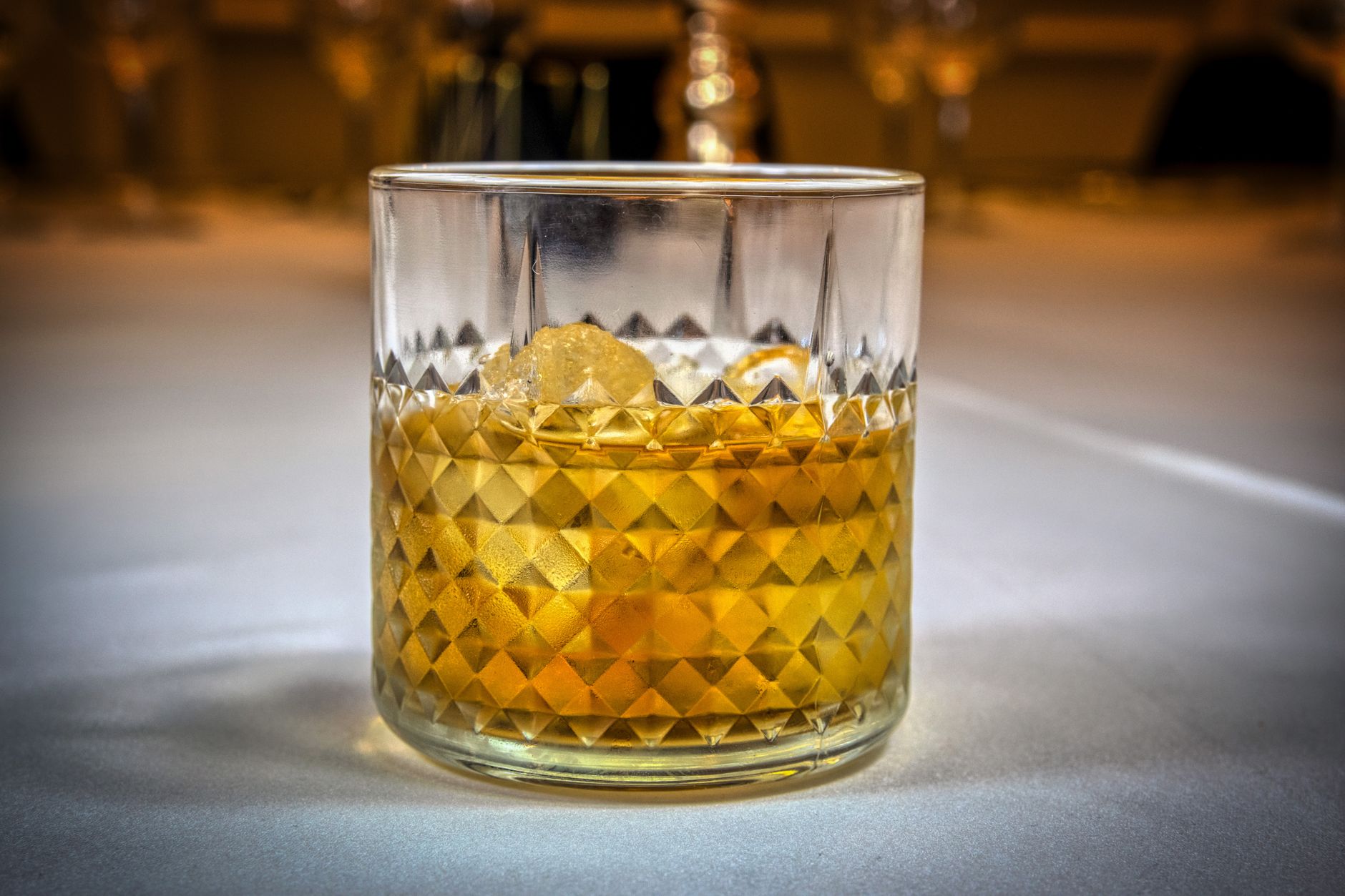
Korea's whisky highball culture in 2026 is a mainstream drinking movement driven by younger consumers aged 20 to 40, blending Japanese highball technique with local craft sensibility. A well-made highball combines premium Scotch or Japanese whisky with chilled soda water over ice, served in venues from dedicated whisky bars to curated airport lounges like Lounge by SULFUN at Gimpo Airport.
What Is the Whisky Highball Trend, and Why Is It Taking Over Korea?
A whisky highball is whisky mixed with chilled carbonated water, served in a tall frosted glass with a high ice-to-liquid ratio. Simple on paper. Endlessly refinable in practice. At Lounge by SULFUN, we've refined this balance by focusing on three core elements: ice quality, carbonation precision, and whisky selection that maintains character through dilution. Korea's embrace of this format has been swift and genuine, driven by a generation of drinkers who want something more nuanced than soju shots but more approachable than a neat dram. The South Korean whiskey market is valued at USD 4.3 billion in 2026 and is projected to reach USD 12.0 billion by 2036, growing at a CAGR of 10.7% (futuremarketinsights.com). That trajectory reflects a structural shift in Korean drinking culture, not just a passing trend. Beer and soju still account for roughly 80% of domestic alcohol sales (daxueconsulting.com), but the highball is carving out meaningful territory at the premium end of the market. Highball sales in off-premise channels alone jumped 18.1% in 2025 (nielseniq.com), even as overall spirits and soju volumes fell 10.6% below 2024 levels in on-premise venues. The highball is growing while everything around it contracts. That is a signal worth paying attention to.
How Did Japanese Bar Culture Spark Korea's Highball Movement?
The lineage of Korea's highball culture runs directly through Japan. Suntory's iconic Kakubin highball campaign in Japan established the format as an everyday drinking ritual during the 2000s, not a celebratory splurge. Korean tourists visiting Tokyo and Osaka returned with firsthand exposure to standing whisky bars and streamlined highball menus. Korean bartenders who trained in Japan brought back something more technical: precise carbonation ratios, temperature control protocols, and single-malt selection principles. The no-pour, stir-only method used in Japanese highball preparation became a distinguishing ritual that Korean bars adopted and publicized aggressively on social media. The influence is quantifiable. In 2026, imports of Japanese alcoholic beverages into Korea from January through March reached 29,445 tonnes with a total value of 53.95969 billion won, with import volume rising 16.7% and value rising 20.9% compared to the same period in the prior year (thedrinksbusiness.com). Japanese whisky is not just culturally influential in Korea. It is commercially dominant.
Why Does the Highball Appeal So Strongly to Korean Consumers in Their 20s and 30s?
The highball's appeal to Korea's MZ generation is not accidental. It sits at the intersection of several overlapping trends: a preference for lower-ABV experiences, a food-pairing culture that rewards versatile drinks, and an Instagram-driven desire for photogenic moments. The condensation-covered glass, the rising bubbles, the minimalist garnish. All of it was built for a phone camera. Lower alcohol content makes the highball accessible to first-time or casual whisky drinkers, and the format pairs naturally with Korean anju food culture, from fried chicken to light bar snacks. The premium positioning at roughly 12,000 to 18,000 KRW per glass hits the affordable luxury sweet spot that younger Korean consumers respond to. A 2025 survey found that 57.1% of Korean adults drank at least once a month (thedrinksbusiness.com), and the shift among that drinking population is clearly toward moderation and quality over volume. The highball delivers both.
Key Players and Landmark Venues Shaping Korea's Highball Scene in 2026
Korea's highball landscape in 2026 is a layered ecosystem, not a single scene. At the top sit dedicated craft whisky bars in Seoul's Seongsu, Itaewon, and Gangnam districts, each with curated bottle selections and house highball recipes. In the middle, convenience store brands GS25 and CU have turned canned whisky highball products into gateway products that introduced millions of Koreans to the format between 2022 and 2024. At the accessible premium end, airport concepts like Lounge by SULFUN at Gimpo have created a new category entirely. Whisky brands including Johnnie Walker, Glenfiddich, and Chivas Regal have run pop-up activations at Seongsu and COEX, building brand familiarity among younger audiences through experiential marketing rather than traditional advertising. Local Korean craft distilleries are now entering the game, experimenting with domestically sourced grains and traditional fermentation techniques to produce highball-compatible spirits that carry a distinctive Korean identity.
What Makes an Airport Highball Lounge Different From a Standard Bar?
Time pressure defines everything in an airport drinking context. For example, consider a business commuter flying from Seoul to Busan with only 25 minutes before boarding. At a traditional airport bar, they would struggle to navigate a long menu and wait through a complex cocktail preparation. At Lounge by SULFUN at Gimpo, they can order a perfectly chilled Suntory Toki highball in under 90 seconds, snap a photo of the condensation-covered glass for their Instagram story, and settle into a calm counter seat with a genuinely premium drink that requires no whisky expertise to enjoy. Guests typically have 20 to 45 minutes before boarding. Complex cocktails, extensive menus, and slow service are not options. The best airport highball concepts, including Lounge by SULFUN, design around this reality with focused menus of three to six highball options, fast preparation, and service that respects the traveler's clock. Atmosphere engineering matters more in airports than almost anywhere else. Lighting, seating layout, and music must create a genuine pocket of calm inside a high-stress terminal environment. Solo traveler comfort is a design priority: counter seating and bar-style layouts make single occupancy feel natural rather than awkward. Lounge by SULFUN at Gimpo was specifically designed with these constraints in mind, offering a craft highball experience and a curated drink menu in an aesthetically considered space that fits the airport context without feeling generic. Non-alcoholic alternatives and light food pairings round out the offering for travelers who want the atmosphere without full alcohol consumption before a flight.
How to Choose and Enjoy a Whisky Highball Like a Local in Korea
Understanding how to order a highball in Korea is a skill worth developing. The two most common whisky bases in Korean highball bars are Japanese single malt expressions from producers like Nikka and Suntory Toki, and approachable Scotch blends including Johnnie Walker Black and Chivas 12. The ideal Korean-style highball uses a 1:3 to 1:4 whisky-to-soda ratio, keeping the spirit's aroma present without overwhelming the carbonation. Ice quality is the variable that separates craft venues from casual ones. Large single-block ice or hand-carved spheres melt slowly and dilute minimally, preserving the drink's balance through the full glass. Garnish choices in Korean bars often deviate from the Japanese lemon peel standard, incorporating yuzu zest, dried citrus wheels, or lightly smoked elements that reflect local ingredient culture. Pairing with anju food is culturally standard and encouraged even in premium settings. This is not a drink you sip alone in silence. It is a drink designed for the table. The craft highball bar in Seoul is now a mainstream premium bar order, and bartenders in these venues expect questions and engagement from guests exploring the category.
The category is also splitting stylistically into two distinct styles. Light, easy-drinking low-ABV highballs built on floral or citrus-forward Japanese whisky bases cater to casual drinkers and first-timers. Stronger, more satisfying highballs built on sherried Scotch expressions or higher-proof blends serve whisky enthusiasts who want complexity with their carbonation. Knowing which style suits you is the first ordering decision you need to make.
What Should a Beginner Order at a Korean Whisky Highball Bar?
Suntory Toki highball is the universal beginner recommendation across Korea's highball bars. Its light, honeyed profile and low peat level make it forgiving and immediately pleasant for someone new to whisky. Chivas 12 highball offers a slightly richer, fruitier experience that appeals to drinkers transitioning from wine or fruit-forward cocktails. Ask the bartender to go lighter on the whisky ratio on a first visit. In our experience at Lounge by SULFUN, we recommend this exact approach with first-time guests, starting with a 1:4 ratio to let palates acclimate before exploring stronger variations. A 1:4 pour lets you assess the flavor profile before committing to a stronger version. Avoid heavily peated Islay Scotches like Laphroaig for your first highball. The smoky intensity is genuinely divisive, and starting there does not represent the category's full range. Every trained Korean bartender working in a serious highball bar will have a starter recommendation ready. Ask for it.
How Do You Evaluate the Quality of a Highball Served at a Venue?
A quality highball should arrive immediately cold, with the glass itself chilled or frosted before pouring. Warm glass is the first red flag. We recommend checking that your glass arrived genuinely frosted, not just chilled, as this preserves the drink's temperature stability and prevents premature dilution during consumption. Carbonation should be lively but not aggressive: tiny, persistent bubbles indicate good soda quality and proper gentle-stir technique. The whisky aroma should lift slightly above the glass rim when you bring it close. If you smell only fizz, the ratio or the whisky choice is off. Price positioning between 12,000 and 20,000 KRW in Korea generally signals quality ingredients. Anything significantly cheaper likely uses low-tier blended Scotch that cannot hold its character when diluted. Anything dramatically above that range should be justifiable by the bottle on the shelf behind the bar.
Whisky Highball Culture and the New Era of Korean Airport Drinking Experiences
Korean airports, particularly Incheon International and Gimpo International, are actively diversifying their food and beverage offerings beyond duty-free retail and chain restaurant formats. This shift matters because younger Korean travelers shaped by social media and experiential travel culture expect the pre-flight window to be enjoyable and worth sharing, not merely functional. The airport highball lounge format answers a specific and underserved gap: premium, quick-service, experience-driven drinking that does not require airline status or a membership card. At Lounge by SULFUN, we designed the space and menu around exactly this insight. A traveler with 30 minutes before boarding deserves a genuinely good drink in a space that feels considered, not a mediocre pour at a bar clearly designed to maximize throughput.
The concept appeals equally to solo business travelers who want a quiet reset before a work trip and to groups of leisure travelers looking for a pre-flight moment worth photographing. Airport F&B concepts that incorporate local craft identity and limited-run pop-up collaborations also create urgency and repeat visitation among frequent fliers who pass through Gimpo regularly. The duty-free corridor is no longer the only place in an airport where brand identity can be communicated. The highball lounge is proving itself as a legitimate cultural brand touchpoint.
| Venue Type | Typical Price (KRW) | Speed of Service | Whisky Selection | Solo Traveler Comfort | Best For |
|---|---|---|---|---|---|
| Airport Highball Lounge (e.g., Lounge by SULFUN) | 12,000 to 18,000 | Very fast (under 3 min) | Curated 3 to 6 options | High (bar counter seating) | Pre-flight treat, time-pressed travelers |
| Craft Whisky Bar (Seongsu, Itaewon) | 15,000 to 25,000 | Moderate (5 to 10 min) | Extensive (20 to 60+ bottles) | Medium to high | Exploration, date nights, whisky enthusiasts |
Why Is the Airport Setting Uniquely Well-Suited to the Highball Format?
The highball's fast preparation time, typically under 90 seconds when executed correctly, aligns perfectly with tight boarding windows that make complex cocktails impractical. A single highball at the right ABV allows travelers to relax without impairment, making it socially and practically acceptable in ways that heavier pours are not. The drink's visual appeal satisfies the social-media documentation impulse that many younger travelers bring to every notable experience. Airports are also liminal spaces where travelers feel a particular kind of permission to treat themselves in ways they might not at home. A craft highball in an aesthetically designed lounge fits that psychological context precisely. The choice feels earned.
2026 Trends Shaping the Future of Korea's Whisky Highball Culture
Several distinct forces are reshaping Korea's highball culture as 2026 progresses. RTD and canned highball products have played a critical role in normalizing the category at scale. GS25 and CU canned highball products gave millions of Korean consumers a first taste of the format at convenience store prices, creating a pipeline of curious drinkers who then sought out craft versions at dedicated bars. The RTD spirits market in South Korea is projected to grow at a CAGR of 8.01% through 2035 (marketresearchfuture.com), suggesting this gateway function will continue expanding the overall drinking universe for years. The category's split between casual RTD access and premium craft experiences is not a contradiction. It is a funnel.
Major liquor brands are using highballs explicitly to reach younger drinkers. Diageo Korea has positioned its Johnnie Walker and other portfolio brands around the highball format through experiential activations, social media partnerships, and bar program support, recognizing that the highball serves as an accessible on-ramp for millennials and Gen Z consumers who might find a straight pour intimidating. The strategy reflects a broader industry awareness that the path to long-term whisky consumption in Korea runs through the highball glass first. Alcoholic beverage imports into South Korea grew at a 4.9% CAGR from 2020 to 2024, with whisky and sparkling wine leading the gains (agriculture.canada.ca), and that import growth has been actively marketed through exactly these kinds of approachable format campaigns.
How Are Korean Social Media Platforms Continuing to Drive Highball Consumption?
Short-form video content on Instagram Reels and Naver Blog consistently amplifies new bar openings and signature highball recipes to audiences in the hundreds of thousands. User-generated content from airport lounges and craft bars functions as high-credibility, zero-cost marketing that traditional advertising cannot replicate. Hashtag communities around terms like #위스키하이볼 and #하이볼바 have created searchable discovery ecosystems that drive foot traffic to new venues within days of opening. Brands and venues that invest in photogenic glassware, intentional lighting design, and branded visual moments consistently outperform peers in organic social reach. The highball is not just a drink. It is a content format. Venues that understand this distinction build audiences as well as customer bases.
Women are also driving a meaningful share of highball adoption. Data shows that high-risk drinking has been falling among Korean men while climbing for women (thedrinksbusiness.com), suggesting a broader shift in who is participating in Korean drinking culture. The highball's lower ABV, aesthetic appeal, and food-pairing versatility make it particularly well-suited to female consumers who may have historically found whisky culture inaccessible or unappealing. Bars that design for a mixed, inclusive demographic are outperforming those still orienting around a traditional male whisky drinker profile.
Sustainability is the emerging differentiator. Venues sourcing local citrus garnishes, using reusable glassware, and reducing single-use plastic are gaining consumer approval among the same younger demographic driving highball adoption. Korean craft distilleries experimenting with locally sourced grains and traditional fermentation techniques are adding a domestic identity layer to a category that has, until recently, been almost entirely defined by Japanese and Scotch imports. Whisky education experiences, including guided tasting flights paired with highball preparation classes, are expanding in Seoul venues, turning occasional drinkers into genuine enthusiasts. The airport lounge as a cultural brand touchpoint, exemplified by Lounge by SULFUN at Gimpo, signals that transit spaces can carry genuine lifestyle brand weight in 2026.
Frequently Asked Questions
What is a whisky highball and how is it different from a regular whisky drink?
Where can I find the best whisky highball bars in Seoul in 2026?
Can I enjoy a craft whisky highball at a Korean airport before my flight?
What whisky should beginners order in a Korean highball bar?
How much does a craft whisky highball typically cost in Korea in 2026?
Is Lounge by SULFUN at Gimpo Airport open to all travelers, or do you need membership?
What food pairs best with a whisky highball in Korean bar culture?
Are there non-alcoholic highball options available at Korean whisky bars in 2026?
How did Japan's whisky culture influence Korea's highball scene?
What is the ideal whisky-to-soda ratio for a Korean-style highball?
What are the best highball bars in Seoul for 2026?
How is Diageo Korea marketing highballs in Korea?
Why are highballs trending among Korean women?
What foods pair best with whisky highballs in Korea?
How does Korea's RTD market affect highball culture?
Sources & References
- Explore the Demand for Whiskey in South Korea (opens in a new tab)[industry]
- Sector Trend Analysis – Beer, Wine and Spirits in South Korea (opens in a new tab)[gov]
- Winning in South Korea: Turning On-Premise pressure into brand growth (opens in a new tab)[industry]
- South Korea RTD Spirits Market Size, Share Trends and Report, 2035 (opens in a new tab)[industry]
- How the MZ Gen is shaping the new Korean drinking culture (opens in a new tab)[industry]
- Japanese alcohol in Korea jumps to record high (opens in a new tab)[industry]
- High-risk drinking falls among Korean men, but climbs for women (opens in a new tab)[industry]
About the Author
Lounge by SULFUN
Lounge by SULFUN is a premium airport lounge concept crafting elevated whisky highball experiences for style-conscious travelers, blending Japanese bar culture with Korean hospitality in curated, Instagram-worthy spaces.
Learn more at www.sulfun.com → (opens in a new tab)Related Posts
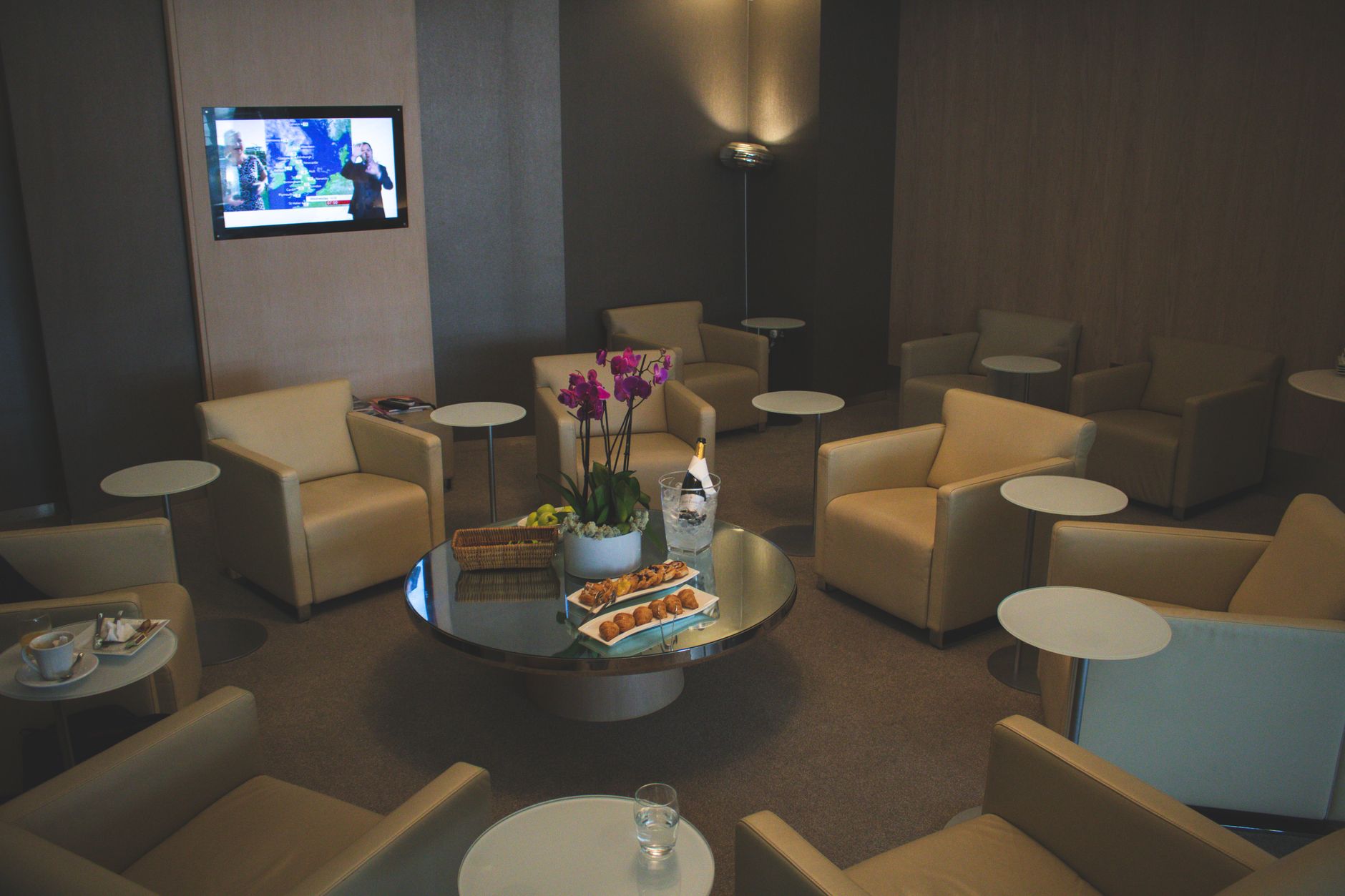
The Complete Guide to Airport Bars and Lounges in Korea 2026
Korea's airport lounge scene has changed dramatically. From legacy airline clubs to craft whisky highball bars like Lounge by SULFUN, travelers in 2026 have more options than ever before. This guide breaks down every category so you can choose the right spot before your next flight.
14 min read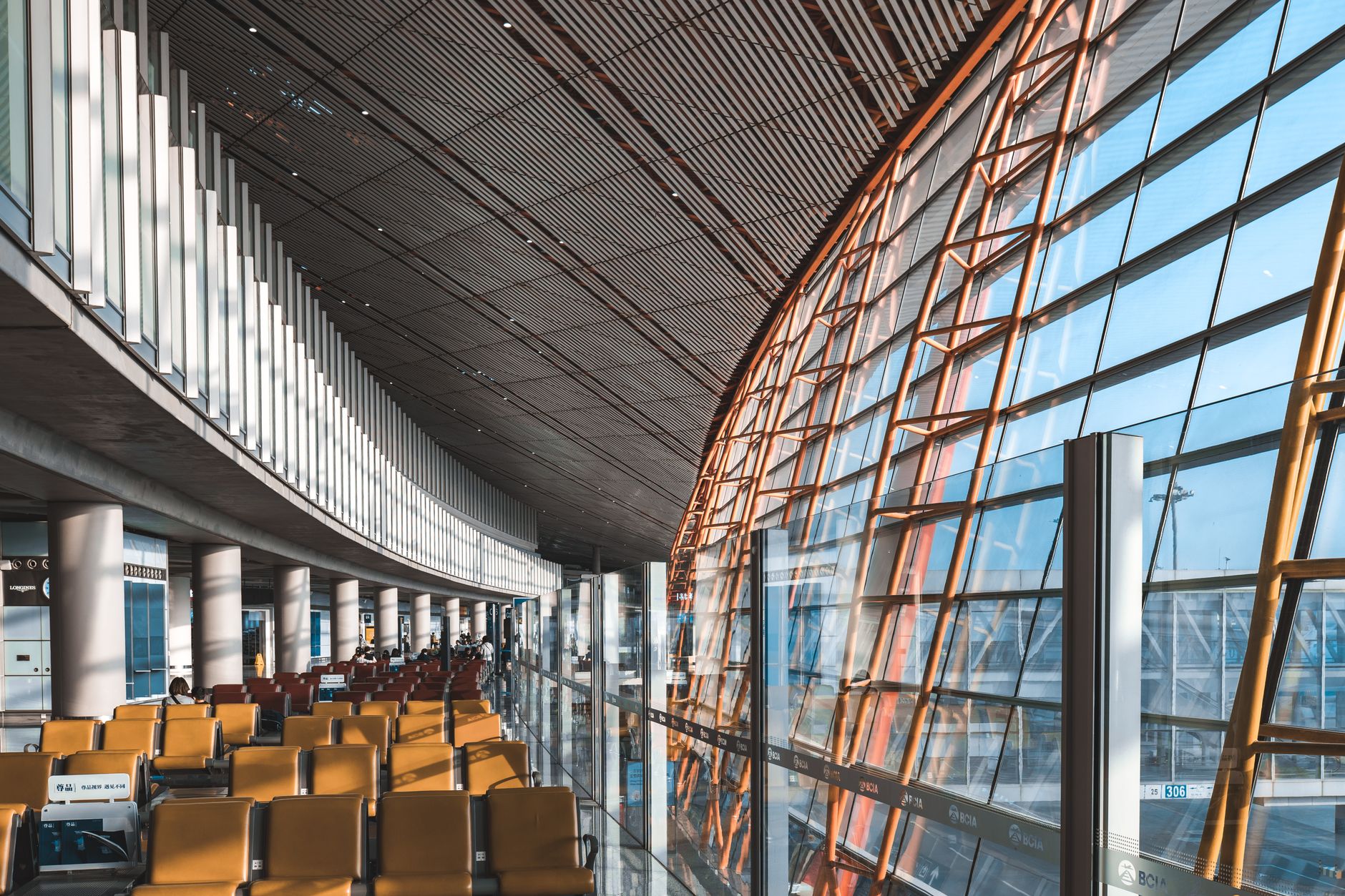
Airport Lounge vs. Airport Bar in Korea: Which One Fits Your Travel Style?
Not all pre-flight downtime is created equal. Korea's airports now offer everything from members-only airline lounges to craft drink bars built for the experience-first traveler. Here is how to choose the one that actually fits how you travel.
13 min read
How to Spend Your Pre-Flight Time at Gimpo Airport: A 2026 Guide
Gimpo Airport has quietly evolved into one of Korea's most experience-rich transit hubs. Whether you have 30 minutes or two hours before boarding, this 2026 guide shows you exactly how to spend that time well, starting with a craft drink at Lounge by SULFUN.
13 min read