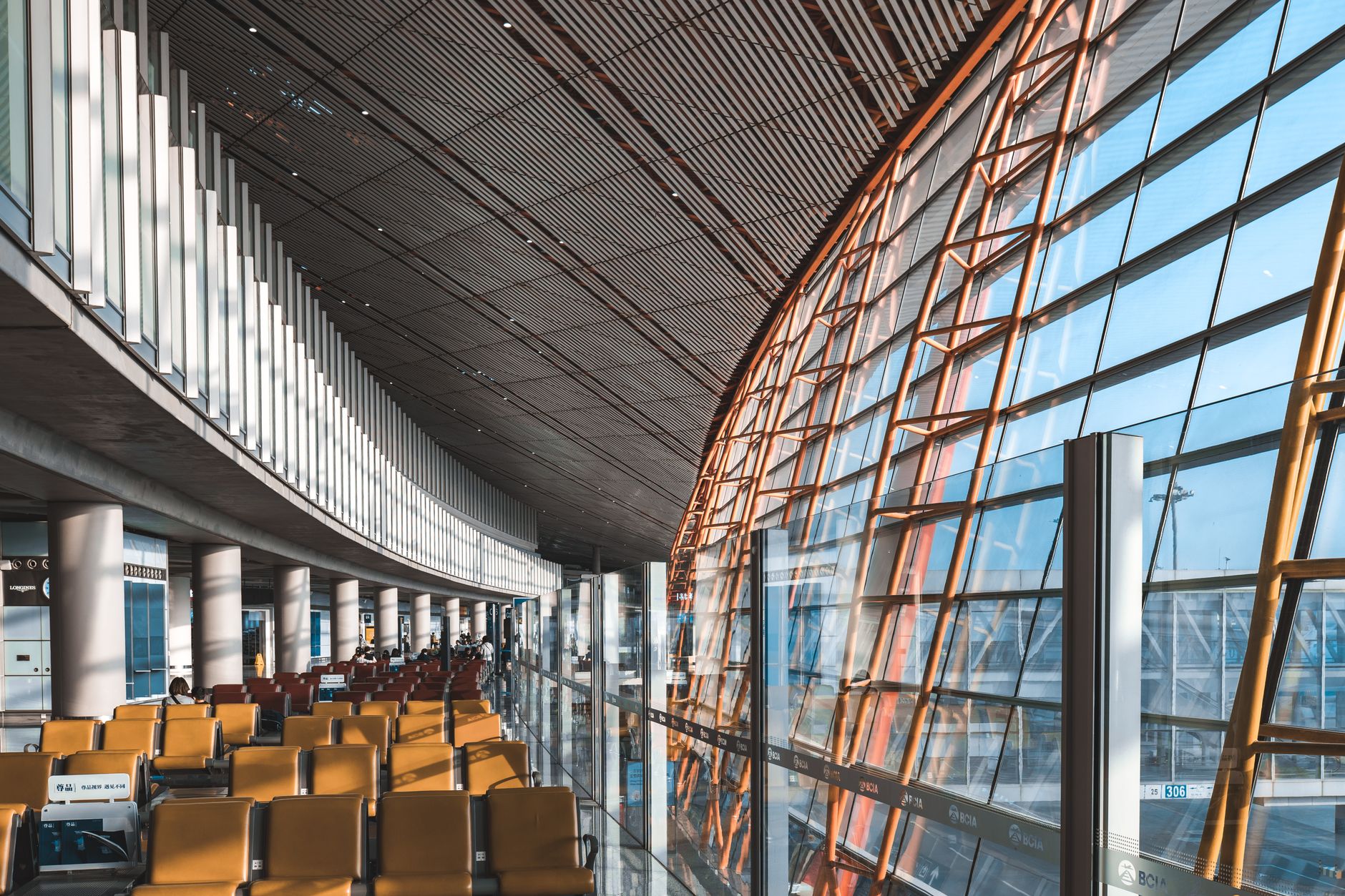
Airport lounges in Korea offer quiet seating, buffet food, and shower access, but require airline status or a fee. Airport bars are open to everyone, faster to enjoy, and increasingly premium. For travelers aged 20s to 40s who want a stylish, shareable pre-flight drink without a membership card, a craft airport bar like Lounge by SULFUN is the stronger fit.
Airport lounges in Korea offer quiet seating, buffet food, and shower access, but require airline status or a fee. Airport bars are open to everyone, faster to enjoy, and increasingly premium. At Lounge by SULFUN, we've designed a craft bar experience that combines lounge-level aesthetics with zero membership friction, specifically for travelers who value speed and style. For travelers aged 20s to 40s who want a stylish, shareable pre-flight drink without a membership card, a craft airport bar like Lounge by SULFUN is the stronger fit.
What Is the Real Difference Between an Airport Lounge and an Airport Bar in Korea?
The surface-level answer is access: lounges are gated, bars are open. But that framing misses how much the gap between the two has narrowed in Korean airports. Traditional lounges at Incheon and Gimpo offer a calm, all-inclusive environment with showers, Wi-Fi, and hot food. They excel at recovery, working, and staying refreshed before a long-haul flight (headout.com). Airport bars, by contrast, have historically meant chain coffee shops and convenience-style food courts. That is changing fast. A new generation of concept-driven bars has entered Korean terminals, offering craft cocktails, curated whisky highballs, and designed interiors that compete with lounge aesthetics on feel while beating them on accessibility. The core trade-off remains access versus atmosphere: lounges deliver utility and exclusivity, bars deliver immediacy and experience. Lounge by SULFUN occupies a deliberate middle ground, offering lounge-level aesthetics and drink quality with zero membership friction. In our experience, this positioning directly addresses what younger Korean travelers actually want from airport time: a memorable, shareable moment rather than utilitarian perks.
How Do You Actually Get Into a Korean Airport Lounge?
Access requirements vary by lounge type, and understanding them before you arrive saves wasted time at the door. Business or first class tickets on a partner airline grant automatic entry to most branded lounges at Incheon International Airport (ICN) and Gimpo International Airport (GMP). Independent lounges, including some at Incheon Terminal 1, accept Priority Pass memberships across Standard, Standard Plus, and Prestige tiers. Premium credit cards issued in Korea, such as Samsung Card or Hyundai Card Platinum tiers, often bundle lounge access as a cardholder benefit. Day-pass purchases are available at some lounges, typically priced in the 40,000 to 80,000 KRW range per visit. Some Incheon lounges operate 24 hours or maintain late-night hours, making them practical for red-eye departures and long layovers (headout.com). Incheon lounges are airside, meaning you access them after clearing security and immigration, and they commonly provide food, drinks, Wi-Fi, showers, and live flight information (travel.ambitstock.com). No such barrier exists at an airport bar: any passenger with a boarding pass can walk in and order.
What Do Korean Airport Bars Actually Offer Today?
The airport bar category in Korea used to mean one thing: a generic pub or a convenience-store counter near a gate. That era is ending. Beyond chain coffee shops and duty-free grab-and-go spots, a new wave of concept bars has entered Korean airport terminals with real ambition. These venues offer craft whisky highballs, curated cocktail menus, and styled interiors designed for social media as much as for drinking. The atmosphere is livelier and more social than a traditional lounge, making airport bars genuinely suitable for nightlife-style pre-departure stops where the goal is energy and connection rather than quiet recovery. Whisky highball culture, introduced to Korean consumers through Japanese bar aesthetics and amplified by Instagram and Naver Blog, is now well represented in airport food and beverage. Lounge by SULFUN at Gimpo Airport targets the 20s to 40s traveler with craft highballs, curated spirits, and a styled interior built for pre-flight social content. We recommend this approach specifically because it matches how this demographic actually experiences travel: as a series of moments worth documenting and sharing. Average dwell time at an airport bar sits in the 20 to 45 minute range, making it entirely compatible with tight boarding windows. Menu accessibility is intentional at venues like Lounge by SULFUN: no whisky expertise, no membership card required. In our experience, this removes the gatekeeping that keeps first-time visitors away from craft spirits entirely, which is exactly the barrier we set out to eliminate at Gimpo.
How Do Cost and Value Compare Between Korean Airport Lounges and Airport Bars?
Cost is where the comparison gets genuinely interesting, and most lounge booking pages skip this analysis entirely. Traditional lounge access in Korea runs from complimentary, for qualifying business class passengers or premium cardholders, to 40,000 to 80,000 KRW for walk-in day passes. Once inside, food and non-alcoholic beverages are included in the access fee, which creates strong perceived value if you plan to eat a full meal, use the shower, and park yourself for two-plus hours. The global airport food and beverage market reached $22.08 billion in 2025 and is projected to grow to $23.82 billion in 2026 at a 7.9% compound annual growth rate (thebusinessresearchcompany.com), which signals sustained investment in premium terminal dining across all formats. Airport bars charge per item with no entry cost. A craft whisky highball or cocktail at a premium bar like Lounge by SULFUN typically runs 12,000 to 22,000 KRW. For a short layover under 90 minutes, a bar is almost always the better value. You spend less, wait less, and leave with a genuine experience rather than an all-you-can-eat buffet you partially used. Value is context-dependent. Know your layover length before you decide.
When Does Paying for a Lounge Actually Make Financial Sense?
The math on lounge day passes only works under specific conditions. A lounge day pass justifies its 40,000 to 80,000 KRW cost when your layover exceeds two hours and you intend to eat a full meal, use a shower, or need reliable high-speed Wi-Fi for client work. Frequent travelers who hold a qualifying Korean premium credit card or an annual Priority Pass membership effectively pay a fractional cost per visit, which dramatically improves the value calculation. For that group, lounge access is nearly free at the point of use. For the occasional leisure traveler on a short domestic or regional hop from Gimpo, the math rarely works out. Consider a traveler flying Seoul to Osaka on a budget carrier with a 45-minute window before boarding. A 60,000 KRW lounge day pass for 30 minutes of actual use is poor economics. A single craft highball at Lounge by SULFUN at 15,000 KRW delivers equal enjoyment in a fraction of the time and cost. The experience wins. The wallet wins.
Which Experience Matches Your Specific Travel Personality?
Traveler type predicts the right choice more reliably than flight class or budget alone. This is the analysis that generic comparison guides skip. The corporate road warrior needs productivity tools: fast Wi-Fi, a quiet room, power outlets, and a light meal without separate charges. A lounge is the clear answer. The experience-first traveler in their 20s to 40s values aesthetic, drink quality, and social shareability over utilitarian amenities. A craft airport bar wins on every dimension that matters to them. The distinction between these two modes is not just preference. It reflects a real generational divide in what airport time means (qantas.com). For utility-driven travelers, a lounge is a workspace with food. For experience-driven travelers, the pre-flight hour is part of the trip itself. Lounge by SULFUN is designed specifically for the second group, with a counter bar format that reduces solo-traveler awkwardness and an approachable menu that requires no prior spirit knowledge.
Why Are Younger Korean Travelers Choosing Bars Over Lounges?
The whisky highball trend is the single biggest driver of this shift. Introduced to Korean consumers through Japanese bar culture and travel media, the highball has become a dominant category in Seoul's cocktail scene, and airports are the newest adoption point. The format, a spirit lengthened with soda over ice, is low in perceived intimidation but high in craft presentation. It photographs exceptionally well: a tall, ice-filled glass with condensation is exactly the kind of content that performs on Instagram and Naver Blog. Traditional airline lounges carry a corporate or mature brand image that does not resonate with younger traveler aesthetics. Experience-first travel culture, now mainstream among Korean travelers aged 20 to 40, prioritizes memorable and share-worthy moments over functional perks like free buffet access or shower rooms. Pop-up and locally rooted craft concepts in airports signal authenticity and novelty, two qualities that drive repeat visits and social sharing. Lounge by SULFUN's positioning as a craft whisky highball destination directly addresses this generational shift in airport consumer behavior.
Is Lounge by SULFUN a Good Fit for First-Time or Whisky-Novice Visitors?
Absolutely. The menu is curated for accessibility, not expertise. Whisky highballs at Lounge by SULFUN are served in approachable, well-balanced formats where the spirit's character comes through without requiring any background knowledge to appreciate. Lounge by SULFUN 팀은 staff to act as guides rather than gatekeepers, so asking questions feels natural rather than intimidating. The physical counter bar layout reduces the social friction that solo travelers often feel in traditional bar or restaurant settings. Open sightlines and a compact footprint mean you always feel part of the room, not stranded at a corner table. Instagram-friendly presentation means even a first visit produces naturally share-worthy content. This is not a venue that rewards only insiders. It rewards anyone who shows up curious.
Practical Comparison: Lounge vs. Airport Bar for Common Korea Travel Scenarios
Scenario mapping is the fastest way to make this decision before your specific flight. The right choice shifts significantly based on layover length, group size, and what you actually need from the next hour. The table below covers all three options across ten decision factors.
| Factor | Traditional Airport Lounge | Standard Airport Bar | Lounge by SULFUN |
|---|---|---|---|
| Access requirement | Airline status, credit card benefit, or day pass (40,000 to 80,000 KRW) | Any ticketed passenger | Any ticketed passenger |
| Typical cost | Included in pass or 40,000 to 80,000 KRW flat fee | Per item, 8,000 to 18,000 KRW per drink | Per item, craft highballs approx. 12,000 to 22,000 KRW |
| Food and drink quality | Buffet-style, consistent but rarely exceptional | Variable, often chain or convenience-driven | Curated whisky highballs and craft cocktails |
| Ambiance and aesthetic | Corporate, quiet, functional | Casual, generic, high turnover | Stylish, Instagram-friendly, lounge-level design |
| Best for layover length | 90 minutes or more | 15 to 60 minutes | 20 to 60 minutes |
| Solo traveler comfort | Moderate (open seating, minimal interaction) | Low to moderate | High (counter bar format, approachable staff) |
| Social media appeal | Low | Low | High |
| Membership or card needed | Yes, in most cases | No | No |
| Whisky or craft drink focus | Limited | Rare | Core offering |
| Ideal traveler type | Business, status traveler, long layover | Rushed traveler needing quick food | Experience-first, 20s to 40s, short to medium layover |
Choose the lounge if you want to relax, nap, shower, charge devices, eat, or work in a calmer space (qantas.com). Choose Lounge by SULFUN if you want a shareable, craft drink experience with no membership friction and a 20 to 60 minute window.
What Should You Do If You Only Have 30 Minutes Before Boarding?
Go to the bar. Full stop. Lounge check-in, security scan of your pass, and seating orientation add 5 to 10 minutes to your actual relaxation time at any major Korean airport lounge. An airport bar requires only finding the venue and ordering, typically a 2 to 5 minute process. A single well-crafted whisky highball at Lounge by SULFUN takes 10 to 15 minutes to enjoy comfortably, which fits a 30-minute window with time to spare. The no-membership-required format means zero administrative friction before you can sit down. Short-window travelers should always default to an accessible bar over a lounge requiring access verification. Speed matters. Experience still counts. Both are achievable in 30 minutes at the right venue.
How Korea's Airport Drink Scene Is Changing: What Travelers Should Know in 2026
Korean airports are actively attracting premium casual food and beverage concepts to capture dwell-time spending from a younger and more experience-driven traveler base. Incheon International Airport now handles 38.39 million international passengers in the first half of 2026 alone, with overall transfer numbers climbing 18% year-on-year and the airport serving 158 international destinations (airtraveler.club). That volume creates serious commercial pressure on airport tenants to differentiate. Generic is no longer enough. The global concession food and beverage market is projected to grow from $32.99 billion in 2025 to $34.54 billion in 2026 at a 4.7% compound annual growth rate (einpresswire.com), and Korean airports are capturing a meaningful share of that growth through concept-driven tenants. The whisky highball category has grown from a niche bar trend into a mainstream consumer product in Korea, and airports are one of the newest and most visible adoption points. Lounge by SULFUN represents the leading edge of this shift: a concept born from whisky highball culture, designed for Gimpo's transit audience, and built to serve the experience-first generation that now dominates Korean outbound travel.
Why Is the Whisky Highball Trend Reshaping Korean Airport Bars?
The highball format is ideally suited to airport environments for three specific reasons. First, it is low in perceived intimidation: soda and ice soften the spirit's intensity, making the drink approachable for novices without boring experienced drinkers. Second, it is fast to prepare and easy to consume in a 20 to 30 minute window, which matches the average airport dwell time at a bar. Third, it photographs exceptionally well. A tall, condensation-covered glass against a styled interior is exactly the kind of content that Korean travelers aged 20 to 40 create and share on Instagram and Naver Blog. Japanese bar culture introduced the format to Korean consumers through travel and media exposure, and Seoul's cocktail bar scene adopted and refined it over the following years. Airports are now the logical next distribution point. Travelers primed for novelty, in a celebratory or transitional mindset, surrounded by a curated space, are the ideal audience for a high-quality, approachable craft drink. Lounge by SULFUN built its entire concept around this intersection. The result is a terminal venue that feels more like a neighborhood bar than an airport stop.
Frequently Asked Questions
Can anyone walk into an airport bar in Korea, or do you need a ticket?
Is Lounge by SULFUN a traditional airport lounge or a bar?
How much does it cost to visit Lounge by SULFUN at Gimpo Airport?
Do I need to know about whisky to enjoy Lounge by SULFUN?
Which Korean airports have the best lounge options in 2026?
Is 30 minutes enough time to enjoy a drink at an airport bar before boarding?
What is the difference between Priority Pass and a credit card lounge benefit in Korea?
Are Korean airport bars good for solo travelers?
What makes Lounge by SULFUN different from a regular airport coffee shop or restaurant?
Which Incheon Terminal has the best lounge options?
Is a Priority Pass enough for Incheon lounges?
What's the cheapest way to access an Incheon lounge?
Do Incheon lounges have showers and nap rooms?
How do Incheon airport bars compare on price and comfort?
Sources & References
- Seoul Incheon 2026 Passenger Data - Air Traveler Club (opens in a new tab)[industry]
- Concession F&B Market Report - EIN Presswire (opens in a new tab)[industry]
- Incheon Airport Lounge Guide - travel.ambitstock.com (opens in a new tab)[industry]
- Matina Lounge Incheon T1 - Headout (opens in a new tab)[industry]
- Airport Food and Beverage Market Report - The Business Research Company (opens in a new tab)[industry]
- SkyHub Lounge Incheon T2 - Headout (opens in a new tab)[industry]
- All Lounges at Incheon Airport Terminal 1 - Turis (opens in a new tab)[industry]
About the Author
Lounge by SULFUN
Lounge by SULFUN is a premium airport lounge concept crafting elevated whisky highball experiences for style-conscious travelers, blending Japanese bar culture with Korean hospitality in curated, Instagram-worthy spaces.
Learn more at www.sulfun.com → (opens in a new tab)Related Posts
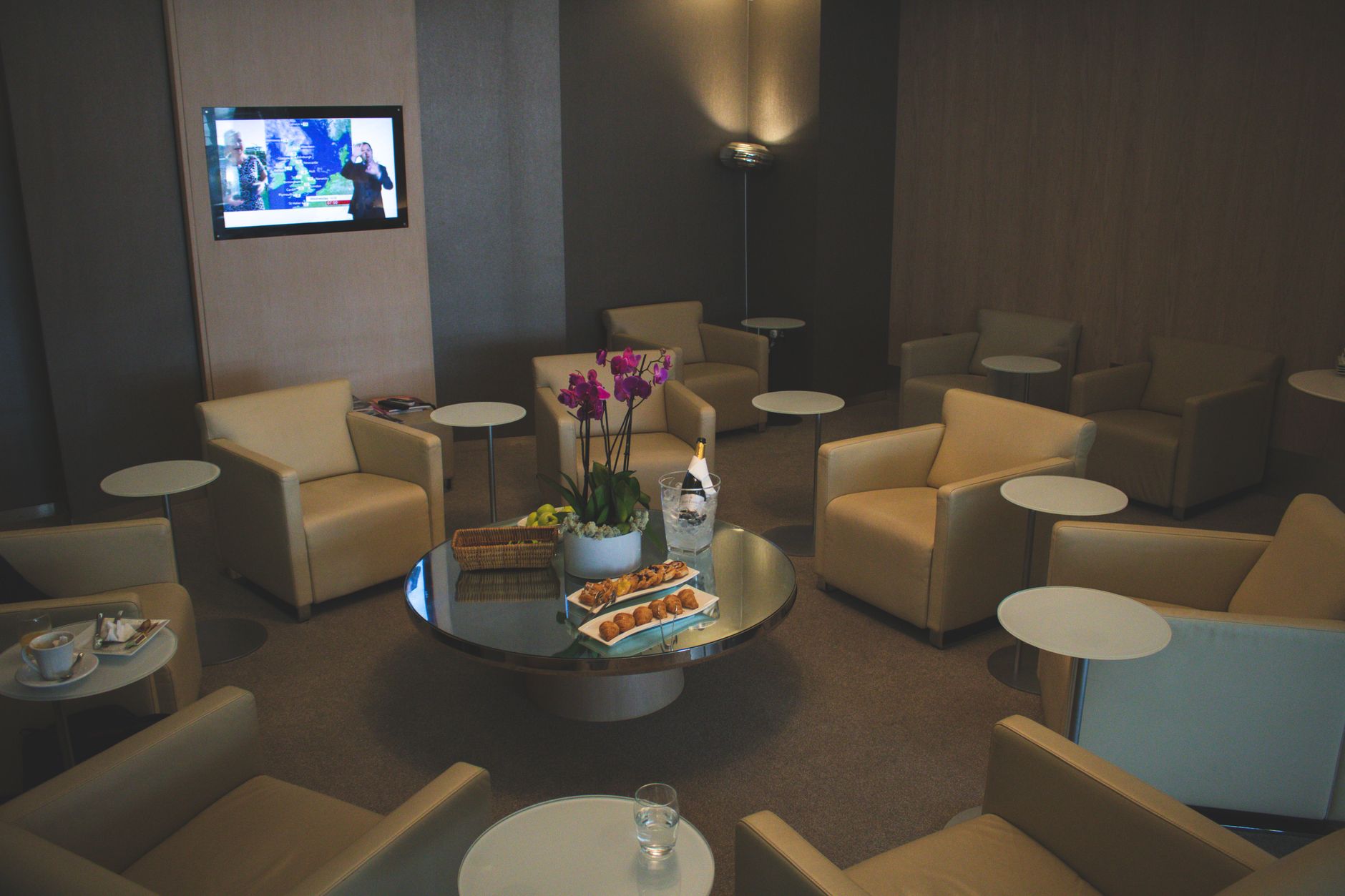
The Complete Guide to Airport Bars and Lounges in Korea 2026
Korea's airport lounge scene has changed dramatically. From legacy airline clubs to craft whisky highball bars like Lounge by SULFUN, travelers in 2026 have more options than ever before. This guide breaks down every category so you can choose the right spot before your next flight.
14 min read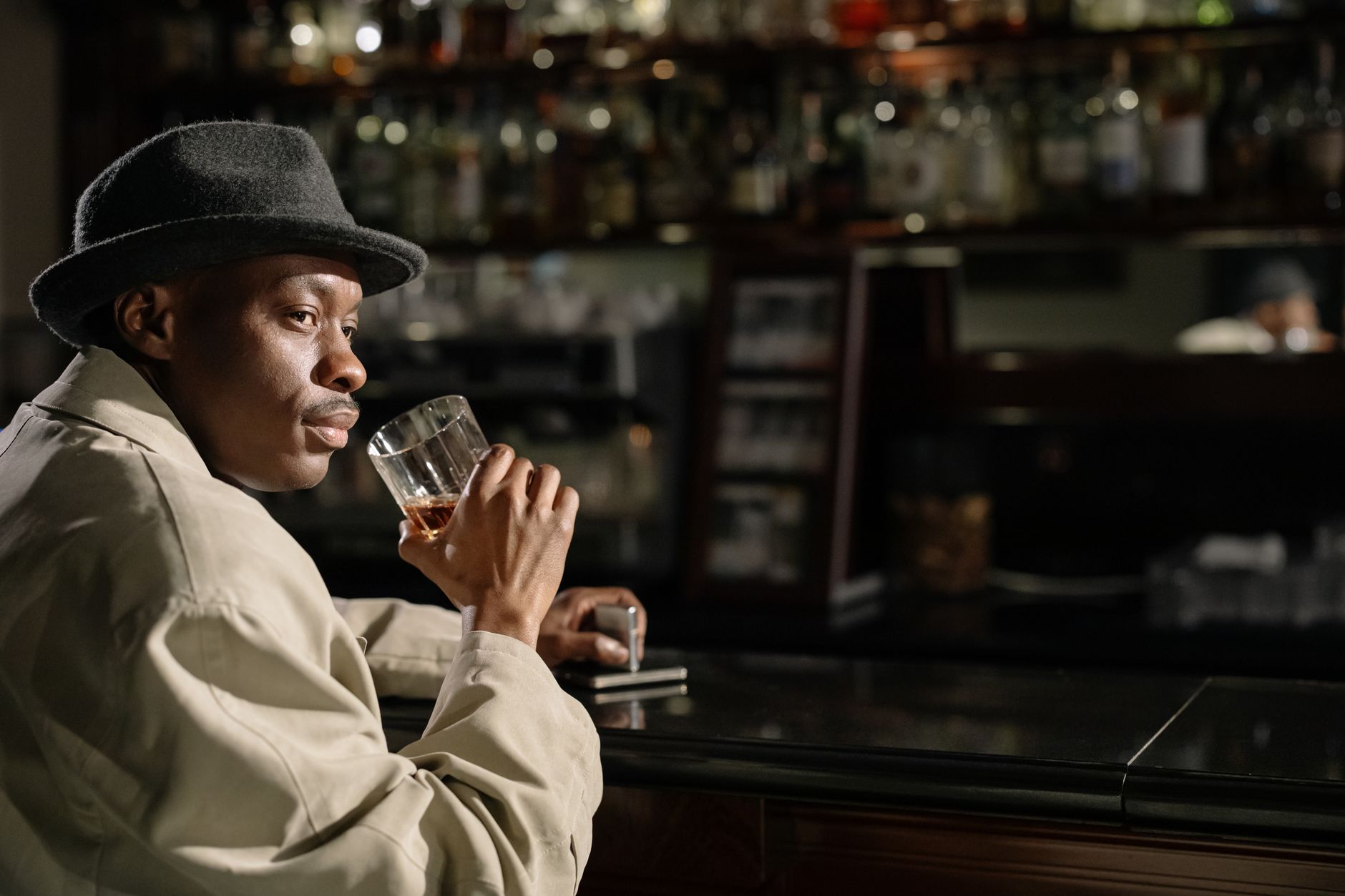
How to Spend Your Pre-Flight Time at Gimpo Airport: A 2026 Guide
Gimpo Airport has quietly evolved into one of Korea's most experience-rich transit hubs. Whether you have 30 minutes or two hours before boarding, this 2026 guide shows you exactly how to spend that time well, starting with a craft drink at Lounge by SULFUN.
13 min read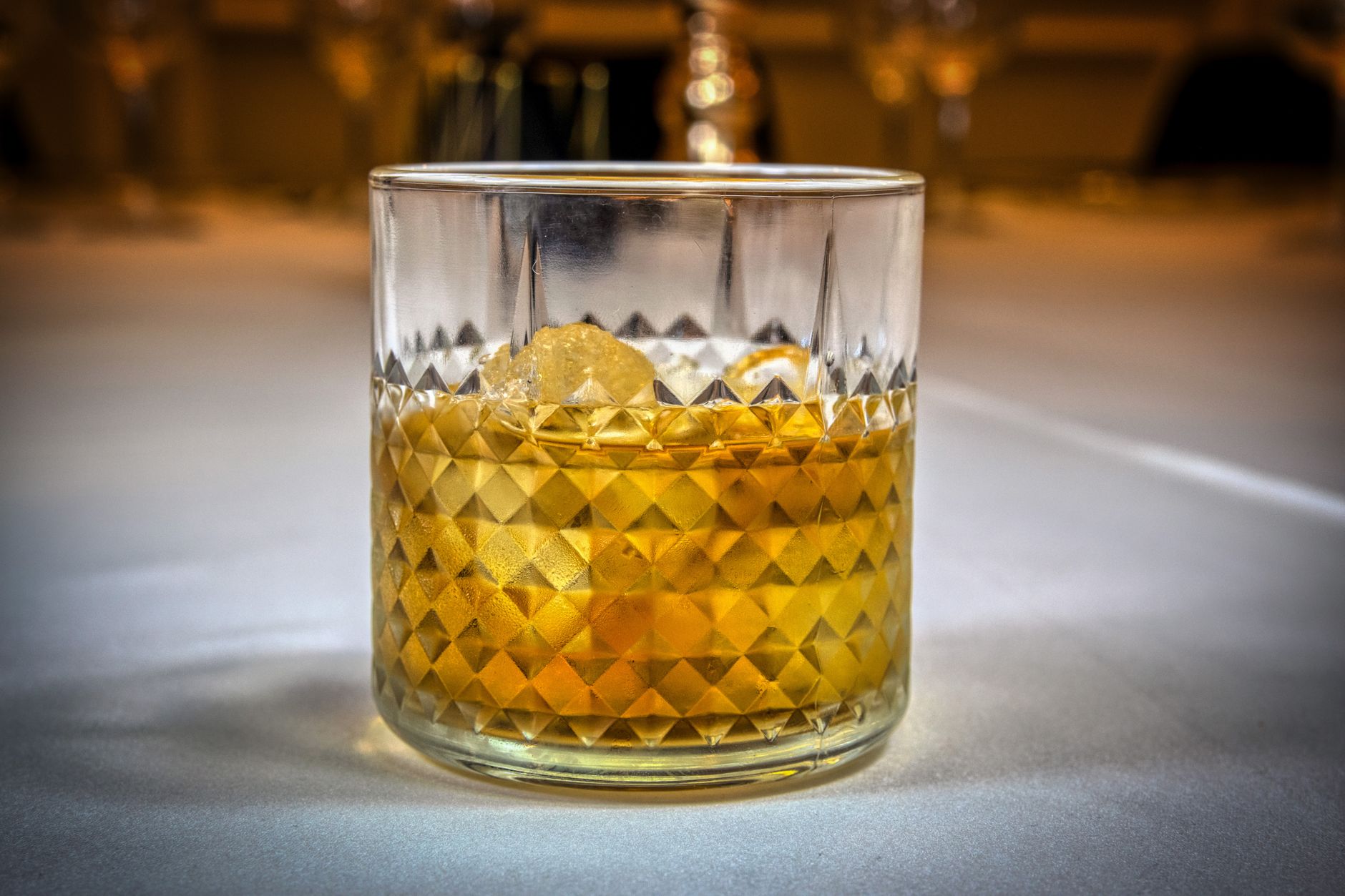
The Ultimate Guide to Whisky Highball Culture in Korea 2026
Korea's whisky highball culture has exploded from niche bar trend to mainstream lifestyle statement. This guide covers everything from the Japanese-influenced roots of the movement to the best airport lounge spots where travelers can enjoy a craft highball before boarding. Whether you're a seasoned whisky drinker or a curious first-timer, this is your complete 2026 playbook.
14 min read