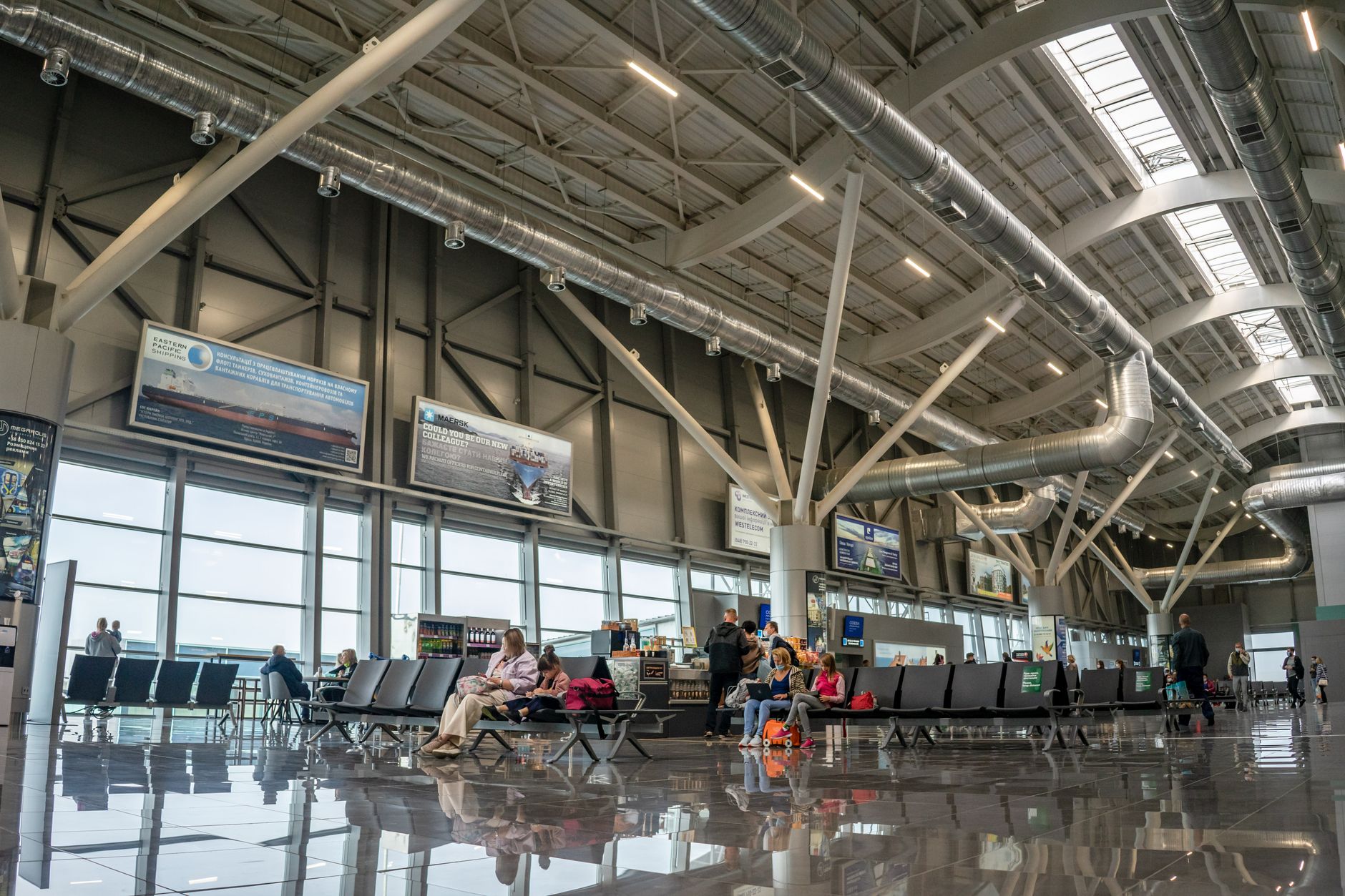
Several premium airport lounges across Korea are now open to all travelers without membership, airline status, or special credit cards. You simply walk in and pay a day-use fee or per-drink charge. Options like Lounge by SULFUN at Gimpo Airport offer craft whisky highballs, curated cocktails, and a stylish atmosphere starting from a single visit.
What 'No Membership Required' Actually Means at Korean Airport Lounges
For decades, airport lounges operated on a simple premise: you either earned access or you paid dearly for it. Elite status tiers, Priority Pass memberships, and premium credit cards costing hundreds of dollars per year were the gatekeepers. That model still dominates at traditional airline lounges. But a parallel category has emerged across Korean airports, one built entirely around walk-in access. Any traveler with a valid boarding pass can enter, regardless of which cabin they booked or which loyalty program card they carry. The global airport lounges market was valued at USD 5.79 Billion in 2025 and is projected to reach USD 16.53 Billion by 2035, growing at a CAGR of 11.07% (snsinsider.com). Within that growth, paid per-use access already dominates with a 31.58% market share (snsinsider.com). Korean open-access lounges are riding exactly this wave.
Traditional Lounge Access vs. Open-Access Lounge Models
The two models serve fundamentally different travelers. Traditional airline lounges require Priority Pass enrollment, airline elite status such as Gold or Platinum tiers, or premium credit card enrollment that bundles lounge access as a perk. Open-access lounges flip that logic entirely, operating on a single entry fee or consumption-based pricing with no prior enrollment. Hybrid models exist too, accepting both walk-in guests and card members simultaneously. The critical distinction for Korean open-access lounges is their emphasis on curated food and beverage quality rather than shower facilities or sleeping pods. You are paying for the drink and the atmosphere, not a commodity amenity stack.
Why Korean Airports Are Embracing This Format Now
Gimpo and Incheon airports are actively recruiting premium casual brands to compete for traveler dwell-time spending, and the economics are compelling. Research shows that a 10% increase in passenger dwell time is associated with an 8% increase in food and beverage revenues at airports (orbilu.uni.lu). Non-aeronautical revenues account for roughly 40% of total airport income globally (orbilu.uni.lu), so every lounge that keeps a traveler spending an extra 20 minutes matters enormously to airport operators. Younger Korean travelers in their 20s to 40s are rejecting corporate lounge aesthetics in favor of experience-first environments. The whisky highball and craft cocktail trend, driven by Japanese bar culture and amplified through Korean social media, created consumer demand that generic airport cafes simply cannot meet. Pop-up and local craft brand formats align directly with the lifestyle priorities of this demographic.
How to Access Premium Korean Airport Lounges Without a Membership Card
The process is genuinely simple, and that simplicity is the point. Clear security, walk to the departures concourse, and present your valid boarding pass at the lounge entrance. No credit card scan, no loyalty number lookup, no awkward membership verification. At most open-access lounges in Korea, you then choose a walk-in entry package or order directly from the menu on a per-item basis. The whole entry takes under two minutes. Lounge by SULFUN operates on a consumption-based model, meaning you pay for what you order with no entry fee layered on top. Globally, 42% of travelers reported using airport lounges in the past year (airportdimensions.com), and 81% of declared airport spend comes from what researchers call Active Lounge Types, the traveler segment most likely to seek out experiences beyond standard retail (airportdimensions.com). You do not need elite status to be this kind of traveler.
What to Expect When You Walk In for the First Time
Staff greet walk-in guests without any membership verification step. The experience starts immediately. Menus at craft-focused lounges like Lounge by SULFUN are written to be approachable for people with zero whisky background. Single-traveler seating is deliberately designed so you never feel like the odd one out. Instagram-friendly design details are intentional, not accidental. At Lounge by SULFUN, we have built the menu and the physical layout around two realities: some guests are whisky enthusiasts who want to explore a specific Scotch, and some guests have never ordered a highball in their life. In our experience, this inclusive approach has become essential because airport lounge visitors represent the full spectrum of drink knowledge, and making everyone feel equally welcome drives genuine loyalty and repeat visits. Both feel equally at home. That balance is harder to achieve than it sounds, and it is one of the things we are most proud of.
How Much Does Walk-In Access Cost at Korean Airport Lounges?
Pricing varies meaningfully by lounge format. Flat entry fees at premium casual lounges range roughly from 20,000 KRW to 50,000 KRW. Consumption-based models at craft drink lounges typically run 12,000 KRW to 25,000 KRW per signature cocktail or highball. There are no hidden membership conversion upsells at open-access formats. Compare that to airport hotel lobby bars, where a single cocktail can run 15,000 KRW to 40,000 KRW, often with none of the curated atmosphere. The cost is competitive, and the value equation is clear when you factor in the design, the drink quality, and the ability to settle in without a reservation.
Korean Airport Lounge Options: A Full Comparison
Understanding how different lounge types stack up helps you choose the right stop for your specific trip. The table below covers the full spectrum from traditional airline lounges to open-access craft options, with honest notes on who each format actually serves best.
| Access Type | Who Can Enter | Typical Cost | Booking Required | Best For |
|---|---|---|---|---|
| Traditional Airline Lounge | Elite status holders, Priority Pass members, premium card holders | Annual card fee $300+ | No, but membership required | Frequent business travelers with existing status |
| Pay-Per-Visit Lounge (e.g., flat entry fee format) | Any traveler with boarding pass | $30 to $60 flat entry fee | Recommended, walk-in available | Travelers wanting full buffet and shower amenities |
| Open-Access Craft Lounge (e.g., Lounge by SULFUN) | Any traveler with boarding pass | 12,000 to 25,000 KRW per drink | No reservation needed | Trend-conscious travelers wanting a quality drink and stylish atmosphere |
| Airport Hotel Lobby Bar | Anyone, no boarding pass required | 15,000 to 40,000 KRW per drink | No | Travelers with very long layovers or meetups outside security |
| Standard Airport Cafe or Chain Restaurant | Anyone | 5,000 to 15,000 KRW per item | No | Travelers prioritizing speed and lowest cost over experience |
Flat-entry lounges typically include unlimited food and non-alcoholic beverages within a time window, shower access for an additional fee, and Wi-Fi. Craft drink lounges prioritize beverage quality and environment but rarely include showers or sleeping pods. Knowing which amenities matter to you before you walk through security saves both time and disappointment.
What Makes Lounge by SULFUN Different from a Standard Airport Bar
The difference is not subtle. A standard airport bar stocks familiar brands, moves at volume, and optimizes for quick table turns. Lounge by SULFUN is positioned as a craft drink destination with a specific program behind every glass. The signature offering is the craft whisky highball, a category currently booming across both Korea and Japan. The physical design prioritizes aesthetic consistency that trend-conscious travelers in their 20s to 40s recognize immediately. Local Korean craft brand identity separates it from international chain airport F&B operators that replicate the same formula across 40 terminals in 15 countries. Solo-traveler comfort is engineered into the layout rather than treated as an afterthought. Results speak louder. An airport bar fills seats. Lounge by SULFUN creates a moment worth photographing.
Why Craft Whisky Highballs Are Dominating Korean Airport Lounges
The whisky highball gained massive popularity in Japan before spreading through Korean social media with remarkable speed. The format is uniquely well-suited for airport consumption. Highballs are approachable for non-whisky drinkers: lower alcohol intensity, refreshing carbonation, and none of the intimidating complexity associated with neat spirit tastings. They are easy to enjoy in 20 to 30 minutes, which fits comfortably inside most pre-flight windows. Photogenic presentation drives organic social media sharing, and that sharing creates word-of-mouth for the lounge itself. Lounge by SULFUN's highball program uses selected Scotch and Japanese whisky bases combined with house-made sodas, giving guests a reason to try something they would never find at a generic airport bar. At Lounge by SULFUN, we recommend the craft whisky highball as the entry point for travelers new to premium spirits because the format balances approachability with genuine quality in a way that fits perfectly into the pre-flight window. The craft whisky highball is not a trend waiting to peak. It is becoming a baseline expectation for experience-first travelers in Korea.
Which Korean Airports Have Open-Access Premium Lounges
Incheon International Airport (ICN) served 74,071,475 passengers in 2025, up 4.1% year-on-year (investkorea.org), making it one of Asia's highest-traffic international gateways. At that scale, the lounge landscape inside ICN is substantial. Priority Pass and credit card lounges dominate the terminal maps, but pay-per-use alternatives are expanding alongside growing demand from travelers who arrive without existing memberships. ICN Terminal 1 and Terminal 2 each host independent F&B and lounge operators, so confirming your specific terminal before clearing passport control is worth two minutes of research.
Gimpo Airport: The Best Starting Point for No-Membership Lounge Access
Gimpo International Airport (GMP) handles domestic routes plus international flights to Tokyo, Osaka, Shanghai, and Beijing. Its smaller terminal footprint means you reach the post-security lounge area faster after clearing security, which matters when your boarding window is tight. Lounge by SULFUN is located post-security in the departures area at Gimpo, accessible to all boarding passengers regardless of cabin class. For travelers on short domestic hops between Seoul and Busan or Jeju, Gimpo offers something genuinely rare: a premium pre-flight drink experience without a long lounge hunt across an overwhelming terminal. This is the starting point for anyone new to no-membership lounge access in Korea.
Incheon Airport Options for Walk-In Lounge Guests
At Incheon, two lounge brands stand out for travelers without memberships. Matina Lounge operates in both Terminal 1 and Terminal 2, accepting walk-in guests with a valid boarding pass. The Matina experience goes well beyond a standard lounge check-in. Food quality runs above typical buffet standards, with hot Korean dishes alongside Western options, and shower facilities are available for an additional charge on top of the base entry fee. Critically, the actual traveler experience inside Matina is meaningfully better than booking-page descriptions suggest: the food rotation is fresh, portions are generous, and the seating is designed for real comfort rather than airport-chair minimalism. Walk-in pricing versus pre-booked access at Matina typically shows a modest premium for walk-ins, making advance online booking the smarter financial choice if you know your itinerary. Sky Hub Lounge is the other major option, with 24-hour operating hours that make it genuinely useful for overnight layovers. For long layovers, Sky Hub's quiet zones are not just marketing copy. Seating is partitioned to reduce ambient noise, lighting is dimmed in rest areas, and the 24-hour format means overnight travelers are not simply tolerated but accommodated by design. Incheon also provides free rest zones and designated nap areas in the public terminal as alternatives for travelers not willing to pay lounge entry fees, located primarily in Transit Hotel corridors and Terminal 1's central connector areas. These free zones offer basic seating and reclining chairs but no food service or showers.
Tips for Making the Most of a Korean Airport Lounge Visit Without Membership
Arrive at the airport 90 to 120 minutes before boarding. That window comfortably fits a 45-minute lounge stop, security buffer, and the walk to your gate. Check the lounge's social media or website to preview the current menu before you arrive so you know exactly what to order rather than spending your first five minutes reading. Order a signature item rather than a standard drink. This maximizes the craft experience and gives you something specific to remember and share. Solo travelers should take advantage of bar counter seating, which is designed for comfortable single-traveler use rather than being an awkward seat at a table for four. Weekday morning and afternoon windows are consistently less crowded than Friday evenings or holiday departure surges. The data backs this instinct: 79% of passengers report satisfaction with their overall airport experience globally (airportdimensions.com), but that number drops sharply when travelers feel rushed or crowded. Give yourself time. This matters.
How to Fit a Lounge Stop Into a 30-Minute Boarding Window
Thirty minutes is enough. Craft highballs and cocktails at open-access lounges are typically served within 3 to 5 minutes of ordering. There is no check-in process, no reservation confirmation scan, and no membership card lookup slowing your entry. Position yourself at the lounge closest to your departure gate rather than the closest lounge to the security exit. Set a departure alarm 10 minutes before boarding opens, giving yourself a comfortable buffer to finish your drink, collect your bag, and walk to the gate. Consider a traveler flying from Gimpo to Jeju on a 7:30 AM departure with a 6:15 AM security clearance. That is 75 minutes of pre-flight time, enough for a proper 40-minute stop at Lounge by SULFUN, a highball they will actually remember, and a relaxed walk to the gate. Dead airport time is a choice. It does not have to be.
Frequently Asked Questions
Do I need an airline credit card to access premium lounges in Korea?
Can I visit Lounge by SULFUN if I am flying economy class?
How much does it cost to use an airport lounge in Korea without a membership?
Is Lounge by SULFUN a permanent location or a temporary pop-up?
What drinks does Lounge by SULFUN serve, and do I need to know about whisky to enjoy them?
Can I bring a carry-on bag into the lounge?
Is Lounge by SULFUN open to travelers departing on domestic Korean flights?
How far in advance should I arrive at the airport to include a lounge stop?
Are open-access airport lounges in Korea family-friendly, or are they adult-only spaces?
Which Incheon Airport lounges allow walk-in access without membership?
How much does Matina Lounge cost for 3-hour access?
Are Sky Hub Lounges open to economy travelers in Terminal 1 and 2?
What lounges at Incheon Airport are best for a long layover?
Can I buy Incheon airport lounge passes online in advance?
Sources & References
About the Author
Lounge by SULFUN
Lounge by SULFUN is a premium airport lounge concept crafting elevated whisky highball experiences for style-conscious travelers, blending Japanese bar culture with Korean hospitality in curated, Instagram-worthy spaces.
Learn more at www.sulfun.com → (opens in a new tab)Related Posts
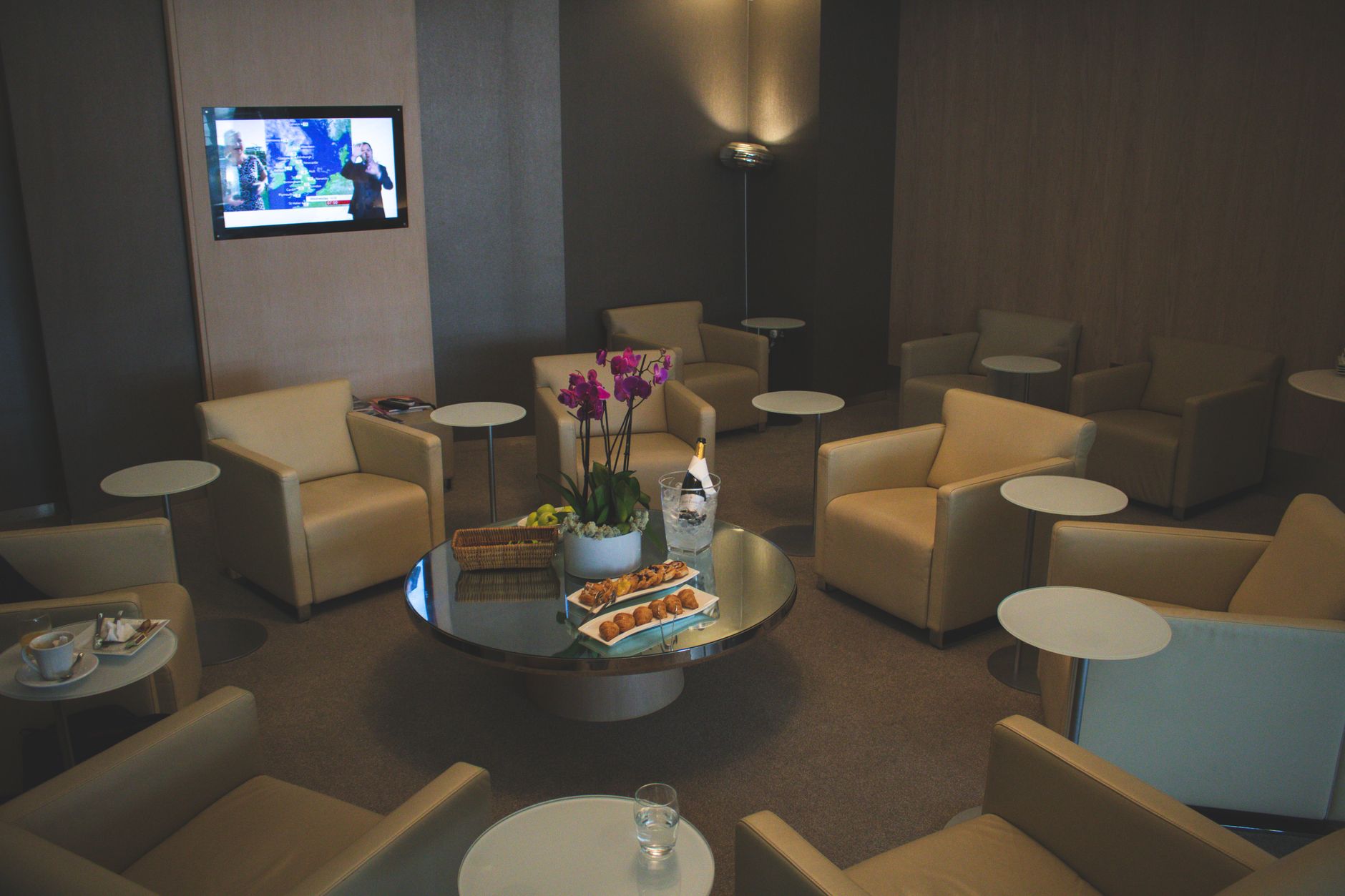
The Complete Guide to Airport Bars and Lounges in Korea 2026
Korea's airport lounge scene has changed dramatically. From legacy airline clubs to craft whisky highball bars like Lounge by SULFUN, travelers in 2026 have more options than ever before. This guide breaks down every category so you can choose the right spot before your next flight.
14 min read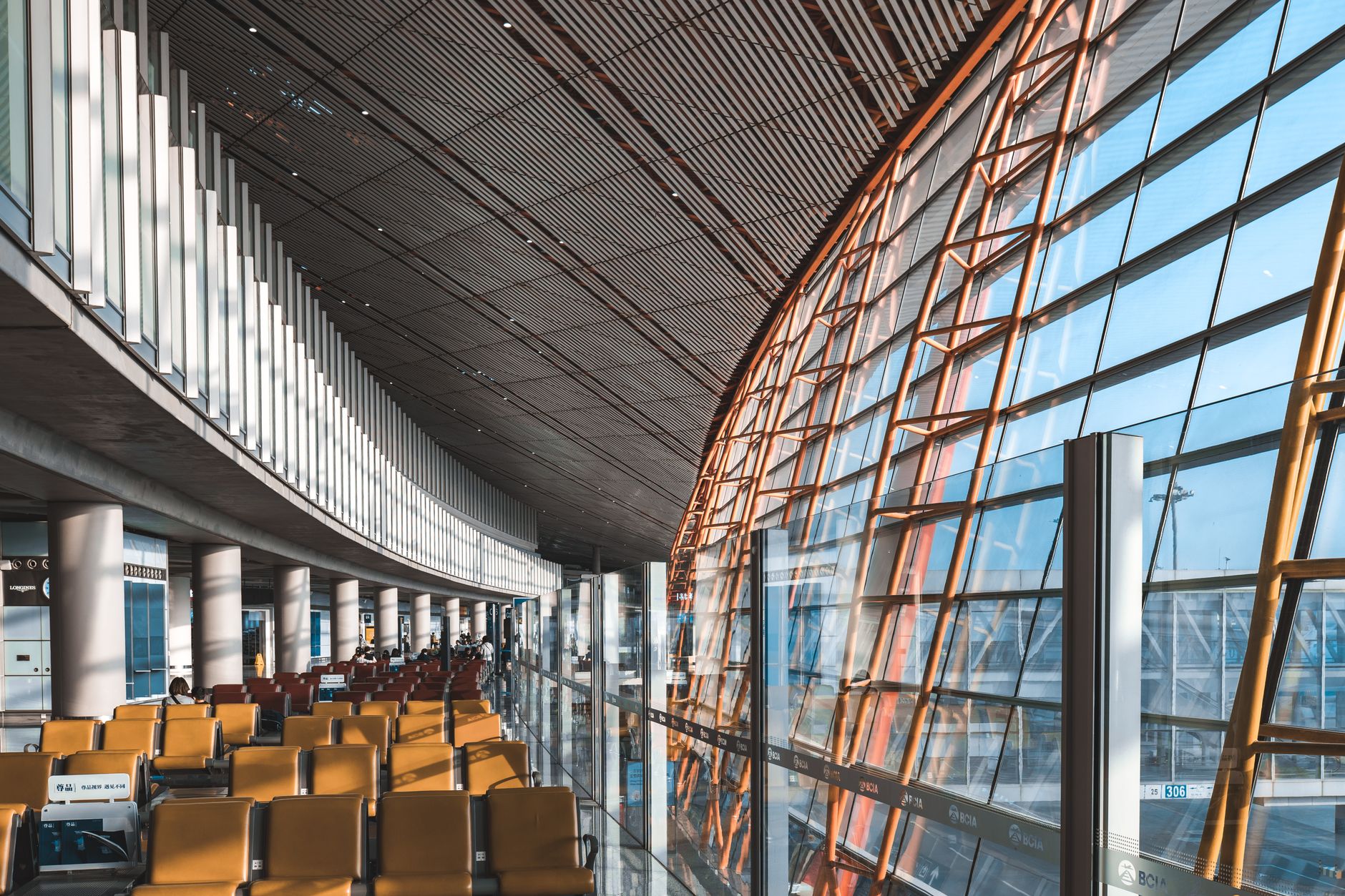
Airport Lounge vs. Airport Bar in Korea: Which One Fits Your Travel Style?
Not all pre-flight downtime is created equal. Korea's airports now offer everything from members-only airline lounges to craft drink bars built for the experience-first traveler. Here is how to choose the one that actually fits how you travel.
13 min read
How to Spend Your Pre-Flight Time at Gimpo Airport: A 2026 Guide
Gimpo Airport has quietly evolved into one of Korea's most experience-rich transit hubs. Whether you have 30 minutes or two hours before boarding, this 2026 guide shows you exactly how to spend that time well, starting with a craft drink at Lounge by SULFUN.
13 min read