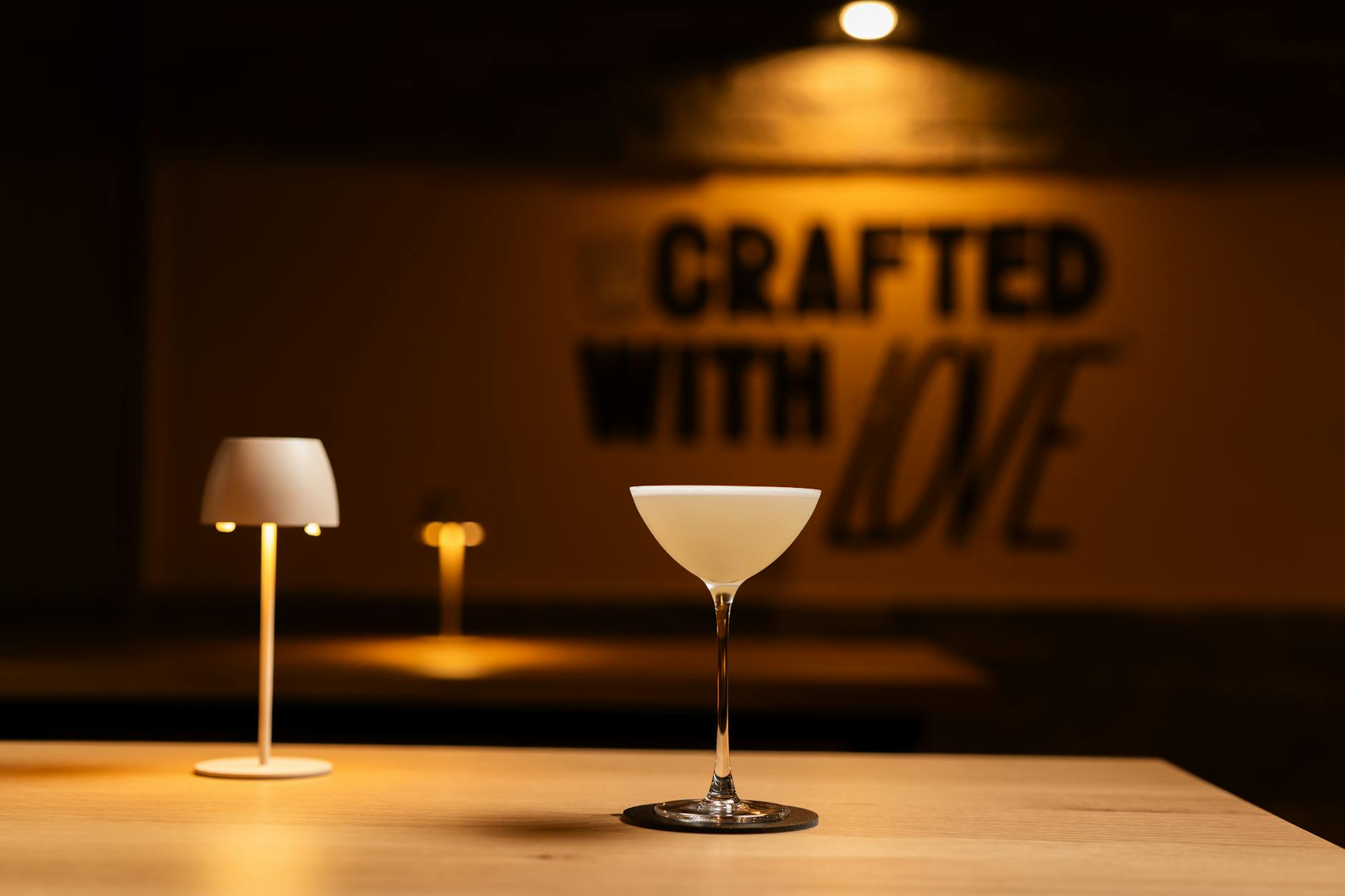
Craft highball lounges at airports offer curated whisky highballs, cocktail menus, and design-forward spaces that feel nothing like a traditional terminal bar. Most visits take 20 to 40 minutes. You do not need airline status or a membership card to walk in and order.
What a Craft Highball Lounge Actually Is (And How It Differs from a Regular Airport Bar)
A craft highball lounge is a focused, counter-service drinking concept built around a short menu of whisky highballs and elevated cocktails. This is not a full-service restaurant with beer taps and frozen margarita machines. The physical format borrows directly from Japanese standing bar culture: bar-counter seating, mood lighting, branded tall glassware, and a staff trained to walk you through flavor profiles rather than just pour and move on. Entry requires no airline status, no credit card membership, and no reservation. The airport lounge market is growing fast. The global airport lounges market is projected to reach USD 13.95 billion by 2031 (barchart.com), and Asia Pacific is leading airport food and beverage revenue growth at +6.6% CAGR (moodiedavittreport.com). The session length is designed around boarding windows, typically 20 to 45 minutes, so the entire format is engineered around your flight schedule, not against it.
The Whisky Highball as the Anchor Drink
A whisky highball is whisky lengthened with chilled carbonated water, served over ice in a tall glass. Simple to describe. Difficult to execute well. The best versions use a 1:4 whisky-to-soda ratio, a Japanese-standard build that balances the spirit without diluting its character. The lower alcohol intensity compared to a neat pour makes the highball genuinely approachable for casual drinkers who would never order a single malt straight. Japanese expressions like Suntory Toki and Hakushu have anchored this format globally, but Korean craft distilleries are actively entering the category and beginning to appear on airport menus. If you are whisky-curious but not yet committed, a highball is the correct entry point. It is cold, sessionable, and forgiving.
Why Airports Are the Right Location for This Format
Airports create something rare: a captive audience with enforced waiting time and a mentally permissive spending state. Incheon International Airport recorded 74,071,475 passengers in 2025, up +4.1% year-on-year (moodiedavittreport.com), which means the audience for premium casual drinks concepts at Korean airports is growing at scale. Airports like Incheon International and Gimpo International in South Korea are actively seeking premium casual concepts to compete for passenger wallet share. Pop-up and rotating concept formats also suit airport lease structures better than full restaurant buildouts, making entry easier for craft operators.
What to Order on Your First Visit: A Practical Menu Guide
Start with the house highball. It is almost always the flagship expression the lounge was built around, and it gives you the clearest picture of what that bar does well. Ask staff about the whisky-to-soda ratio; a 1:4 ratio signals quality execution. If you are whisky-curious but not a regular drinker, ask for something described as light and floral rather than peaty or smoky. Most craft highball lounges also carry a short cocktail list for guests who want something sweeter or more complex. Small snack or amuse-bouche pairings are common and designed to complement rather than compete with the drink. Use the airport visit to try something local or limited. Ordering the same spirit you drink at home every week is a missed opportunity, especially in Korea where craft spirits representation is rising fast on premium casual menus.
Reading a Craft Highball Menu Without Prior Whisky Knowledge
Well-designed craft lounge menus use flavor descriptors, not technical jargon. Look for terms like citrus, honey, grain, and light smoke as entry-level indicators. Price tiers on a short menu usually signal single malt versus blended versus local craft whisky. The simplest shortcut: ask the bartender what is most popular with first-time visitors. That question reliably produces the best recommendation and opens a conversation that makes the visit feel social rather than transactional. No expertise required. The staff's job is to make you comfortable, not to test your knowledge.
The 30-Minute Visit: What a Realistic Session Looks Like
Arrive 35 to 40 minutes before boarding to allow a comfortable buffer. One to two drinks is the realistic range for a 30-minute window. Bar counter seating means faster service than table-service models. Many craft highball lounges display a visible flight board or allow staff to check your gate, removing boarding anxiety from the equation. Consider this: a solo traveler at Gimpo airport with a 35-minute window orders a house highball, gets a snack pairing, checks their gate with the bartender, and still has time for a second round before walking to the gate. For example, imagine you land at Incheon International with 40 minutes before your connection flight. You clear security, locate the craft highball lounge near your departure gate, order a seasonal Korean whisky highball with a complementary snack pairing, and snap a photo of the condensation-covered glass against the backlit bottle display. The bartender confirms your gate hasn't changed, you enjoy your drink at the counter without feeling awkward as a solo traveler, and you walk to boarding feeling calm and genuinely refreshed rather than rushed and caffeinated. That is what airport dwell time optimization actually looks like in practice.
The Design and Atmosphere: Why the Space Matters as Much as the Drink
Craft highball lounges are total experiences, not just drinking stops. Counter seating eliminates the awkwardness of a two-top table set for one person. Lighting, branded glassware, and intentional visual design are calibrated for social media documentation. Local art, limited-edition merchandise, and rotating brand collaborations add reasons to revisit on return trips. Background music and scent layering are part of the designed sensory package in the best concepts. The format intentionally blurs the line between a cocktail bar and a retail brand experience. At Lounge by SULFUN, we have built every physical element around the counter-seated solo traveler: sightlines that let you watch the terminal, surfaces with device charging built in, and glassware that shoots distinctively even on a phone camera. This is not an afterthought. It is the product.
Solo Traveler Comfort by Design
Bar counter formats eliminate the awkwardness of a two-top table set for one. Staff interaction is built into the service model, making solo visits feel social without pressure. Sightlines in well-designed lounges allow solo guests to observe the terminal without feeling exposed or isolated. Charging ports and device-friendly surfaces are standard in the format. No one asks why you are alone. No one seats you next to the kitchen. The counter is the social architecture, and it works. Solo travel is rising across Asia, and airport lounges that fail to accommodate single-seat comfort are leaving a significant portion of their potential audience underserved.
What Makes a Craft Highball Lounge Photo-Worthy
Branded glassware with condensation at the correct serving temperature shoots distinctively. Backlit bottle displays and warm wood tones create natural contrast for phone cameras. Limited-edition seasonal menus and branded coasters serve as shareable visual props. Thoughtful plating on snack pairings raises the overall image quality of a single frame. These are not accidents. The best craft lounge concepts are designed with social media documentation in mind, from the height of the backbar to the color temperature of the lighting. A drink that looks beautiful and tastes excellent earns a share. That share is marketing the lounge cannot buy through traditional channels.
How Japanese Whisky Quality Signals Translate to Airport Lounge Selection
Japanese whisky on the backbar is the clearest indicator of a craft highball lounge's seriousness. A bar stocking Suntory Toki, Nikka From the Barrel, or Hakushu 12 Year has made a deliberate procurement decision that signals commitment to the highball format. Generic airport bars rarely carry these expressions because they require staff who can articulate the difference between a grain-forward blend and a peated single malt. The presence of Japanese whisky sodas and mizuwari preparations on a menu is equally diagnostic. A mizuwari, whisky diluted with still water over ice, requires precise dilution ratios and ice knowledge that separates trained operators from generic bar programs. If a menu offers only standard spirits and beer, it is a bar. If it offers a structured Japanese whisky list with serve specifications, it is a highball lounge.
Why Ice Is Not a Detail
Fresh, large, clear ice is one of the most visible markers of proper highball service, and most airport bars fail this test immediately. Standard airport bars use half-moon machine ice that melts fast, dilutes the drink within minutes, and creates a watery second half. A proper highball lounge uses large-format, slow-melting ice that maintains carbonation and temperature throughout the glass. The difference is not aesthetic. It is structural. Carbonation retention in a highball depends on temperature stability, and temperature stability depends on ice quality. A drink that goes flat in eight minutes is not a highball. It is a whisky-flavored soda water with buyer's regret. Ice is where craft commitment becomes measurable.
Which Airports Have Craft Highball Lounges Worth Visiting
Outside Japan, craft highball lounges inside airports are uncommon. Most international airports offer generic bar concepts with no whisky specialization. Japan remains the benchmark. Tokyo Haneda and Narita have the highest odds of proper Japanese whisky service among global airports, driven by domestic demand, cultural alignment, and the deep familiarity of Japanese bartenders with the highball format. Osaka Kansai Airport has a strong secondary cluster of whisky-focused bars that outperform comparable airports in Europe or North America. Osaka's bar culture spills naturally into its transit venues, and the concentration of craft spirit interest in the Kansai region makes airport concepts there better than average.
In South Korea, Incheon International and Gimpo International are the primary locations where craft highball and premium casual drink concepts have taken root. Incheon's record 74,071,475 passengers in 2025 (moodiedavittreport.com) make it a commercially viable host for concepts that require a large, trend-conscious traveler base. Gimpo, serving primarily domestic and short-haul Northeast Asian routes, has a compact passenger profile that suits counter-format concepts well. Korean airports are the most active non-Japanese market for this format. That distinction matters if you are building a travel itinerary around premium pre-flight experiences.
Pop-Up Concepts and Permanent Lounges: How to Know What You Are Walking Into
Airport craft beverage concepts exist on a spectrum from fully permanent to rotating short-term pop-ups. Pop-ups often feature a local craft brand or distillery in residence for a fixed window of weeks or months. Permanent lounges build a consistent identity around a flagship product with rotating seasonal additions. Pop-up formats carry higher novelty but also higher risk of schedule changes and closures. Checking the lounge's social media account before your flight date is the most reliable way to confirm current status. Total global retail, food and beverage, and duty-free concession revenue is projected to grow at +5.1% CAGR toward 2030 (moodiedavittreport.com), which signals that airport operators are actively investing in more diverse and premium tenant mixes. That is good news for craft concepts seeking permanent leases.
Before sitting down at any airport lounge, ask four questions. Is this location permanent or does it close on a specific date? Is the current menu a seasonal rotation or the standard offering? Are there ongoing brand collaborations that change the menu or decor? Does the lounge accept walk-ins or is there a queue at peak departure times? These questions take 60 seconds and prevent wasted dwell time.
Craft Highball Lounge vs. Traditional Airport Bar: Key Differences
Craft highball lounges prioritize technique, ingredient quality, and intentional flavor profiles in ways traditional airport bars typically don't. A craft lounge spotlights house-made syrups, premium spirits, and balanced carbonation rather than speed and volume. The experience centers on the drink itself: you'll find bartenders who can explain their highball's construction, seasonal variations, and why they chose specific whisky or mixer combinations. Traditional airport bars optimize for turnover, offering familiar cocktails and beer in a transactional setting. Craft lounges invite you to linger, observe the craft, and discover something new before your flight.
How to Make the Most of a Craft Highball Lounge Before Your Flight
Build the lounge stop into your airport arrival plan rather than treating it as an afterthought. Complete security first, navigate to the lounge, then decompress. Use the experience to reset mentally from the security process rather than as a final sprint to the gate. Follow the lounge on social media before visiting to check for seasonal menus, limited editions, or event nights. Our team recommends completing duty-free browsing before the lounge visit so you arrive without shopping bags to manage at the counter. That small sequencing choice changes the comfort level of the entire session.
Budget Expectations and Value Assessment
Compared to a mediocre overpriced beer at a generic terminal bar, the per-minute value of a craft experience is significantly higher. Many craft lounges price competitively with the airport average to remove the cost objection for first-time visitors. No membership, no minimum spend, and no tipping obligation in many Korean airport concepts. The cost of food away from home was up 3.6% year-on-year in April 2026 (nerdwallet.com), which means airport food and drink pricing is rising across the board. A craft highball lounge that holds its price point while raising quality is a genuine value proposition, not a marketing claim.
Frequently Asked Questions
Do I need to be a whisky drinker to enjoy a craft highball lounge at an airport?
How much time should I budget for a craft highball lounge visit before boarding?
Are craft highball lounges more expensive than regular airport bars?
Is Lounge by SULFUN a permanent location or a temporary pop-up?
Can I visit a craft highball lounge if I am traveling solo?
What is the difference between a highball and a cocktail?
Which airports in South Korea have craft highball or premium casual drink lounges?
Are craft highball lounges open to all passengers or only business class travelers?
What Korean whisky or craft spirits should I try at an airport lounge?
Can I take photos inside a craft highball lounge at the airport?
Which airports have the best highball lounges?
Are there any highball lounges in Tokyo airports?
What makes a highball lounge stand out in an airport?
Can you recommend any unique highball cocktails from airport lounges?
Are there any high-end airport lounges with craft highballs?
Sources & References
- Travel Inflation Report: May 2026, NerdWallet (opens in a new tab)[industry]
- Incheon Airport Posts Record Passenger Traffic in 2025, Moodie Davitt Report (opens in a new tab)[industry]
- Food for Thought – Towards 2030 in Airport Dining, Moodie Davitt Report (opens in a new tab)[industry]
- Airport Lounges Market to Reach USD 13.95 Billion by 2031, Mordor Intelligence via Barchart (opens in a new tab)[industry]
About the Author
Lounge by SULFUN
Lounge by SULFUN is a premium airport lounge concept crafting elevated whisky highball experiences for style-conscious travelers, blending Japanese bar culture with Korean hospitality in curated, Instagram-worthy spaces.
Learn more at www.sulfun.com → (opens in a new tab)Related Posts
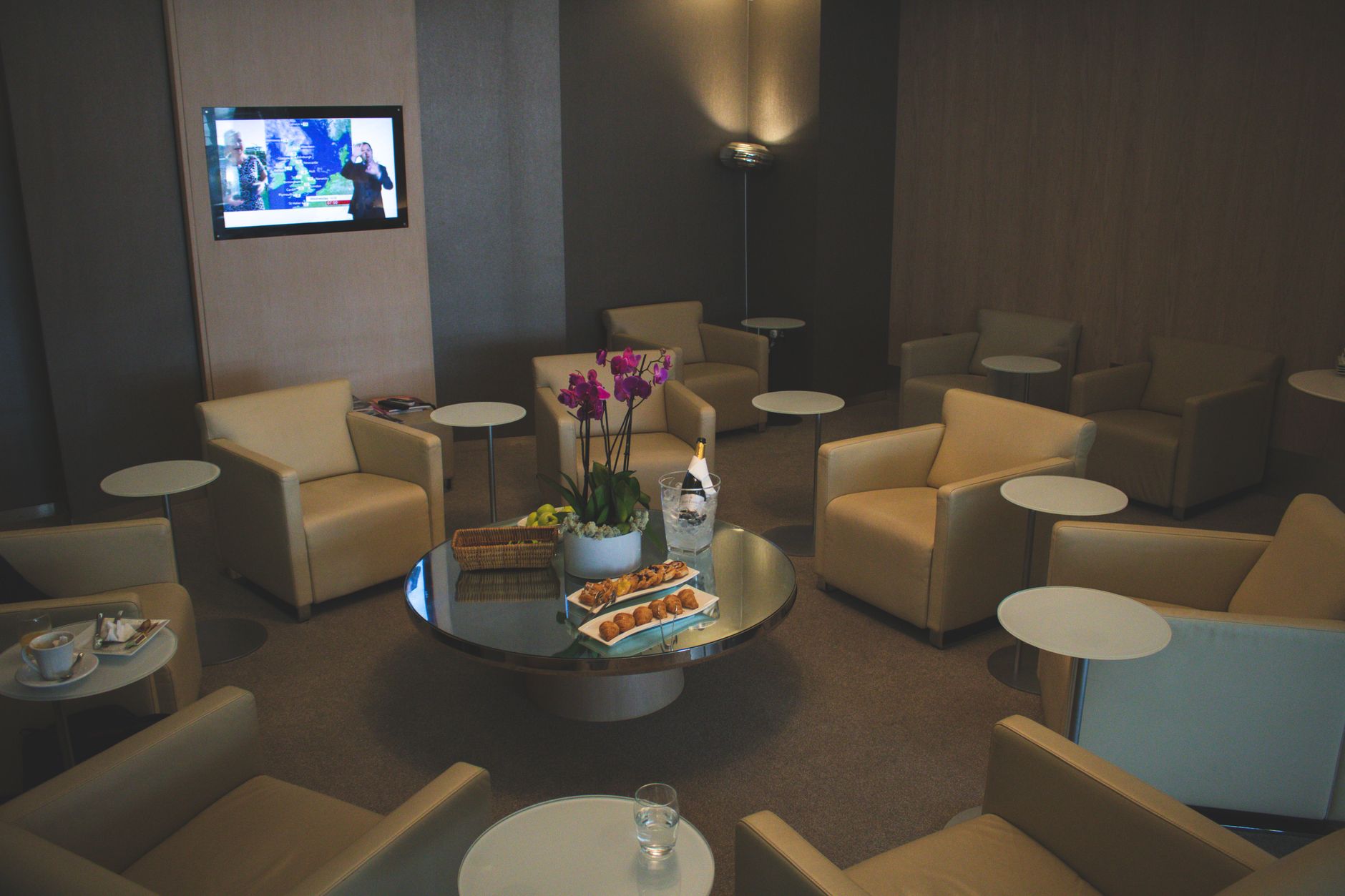
The Complete Guide to Airport Bars and Lounges in Korea 2026
Korea's airport lounge scene has changed dramatically. From legacy airline clubs to craft whisky highball bars like Lounge by SULFUN, travelers in 2026 have more options than ever before. This guide breaks down every category so you can choose the right spot before your next flight.
14 min read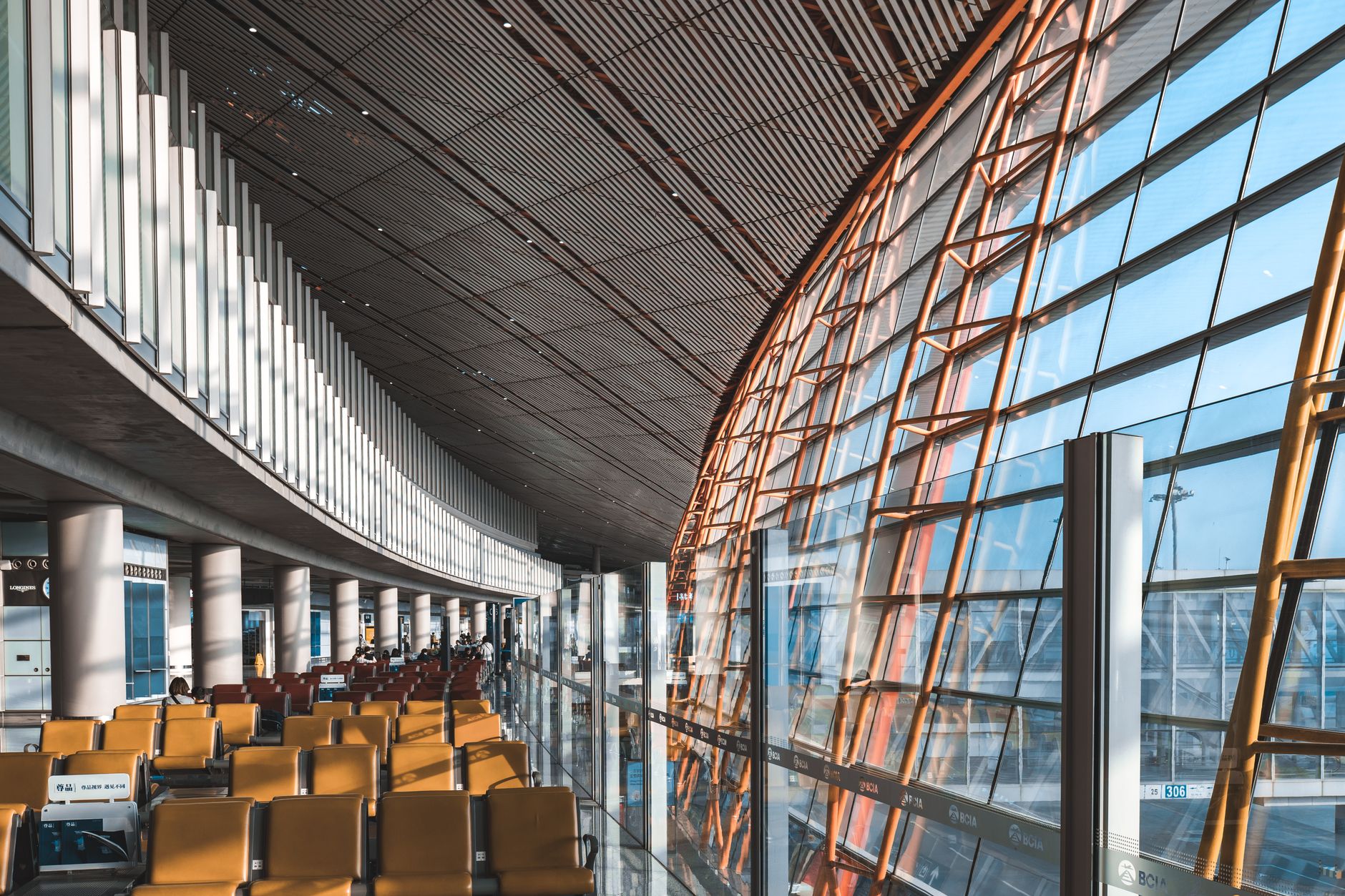
Airport Lounge vs. Airport Bar in Korea: Which One Fits Your Travel Style?
Not all pre-flight downtime is created equal. Korea's airports now offer everything from members-only airline lounges to craft drink bars built for the experience-first traveler. Here is how to choose the one that actually fits how you travel.
13 min read
How to Spend Your Pre-Flight Time at Gimpo Airport: A 2026 Guide
Gimpo Airport has quietly evolved into one of Korea's most experience-rich transit hubs. Whether you have 30 minutes or two hours before boarding, this 2026 guide shows you exactly how to spend that time well, starting with a craft drink at Lounge by SULFUN.
13 min read