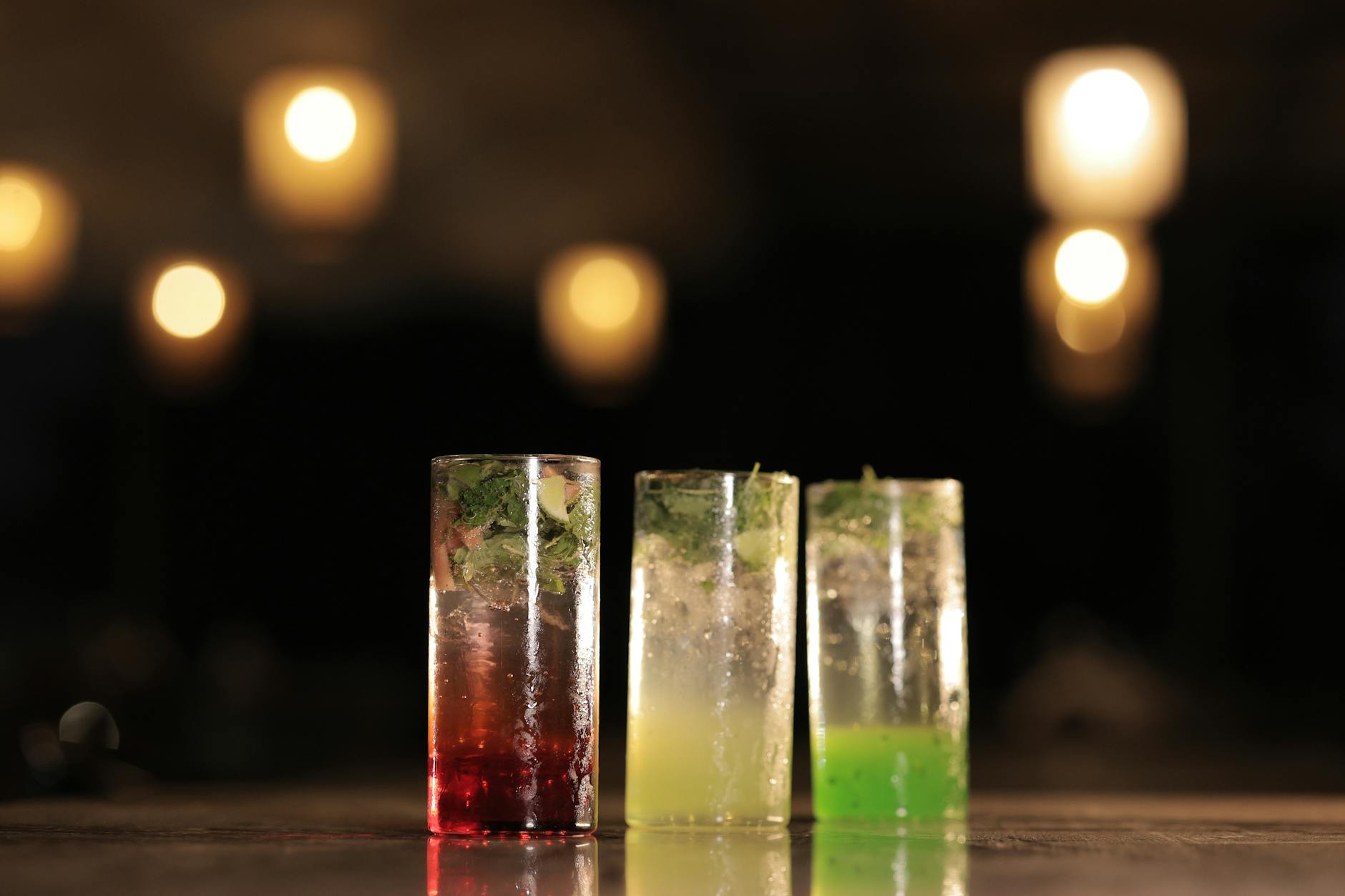
A whisky highball is whisky mixed with chilled sparkling water, served over ice in a tall glass. To order one like a regular, pick a flavor direction you enjoy (light, smoky, or sweet), say it highball-style to the bartender, and let them handle the rest. No whisky expertise required whatsoever.
What Exactly Is a Whisky Highball?
A highball is one of the simplest cocktail formats in existence: one spirit, one long mixer, served tall over ice. For a whisky highball specifically, that mixer is cold, sparkling water, and the result is a drink that is simultaneously refreshing and flavorful. The whisky-to-soda ratio typically runs 1:3 or 1:4, which means the alcohol presence is gentle rather than aggressive. You get a clean whisky character without the intensity of a neat pour. The standard build is straightforward: a tall glass packed with ice, a measured pour of whisky (usually around 45 ml or 1.5 oz), topped with cold soda water poured gently down the side of the glass to preserve carbonation, and finished with a lemon peel or citrus wedge for aroma. That garnish matters more than it looks. Holding it over the glass and giving it a light twist releases oils that sit on the surface of the drink, adding a fragrant first impression before the first sip even happens. The global whisky market was valued at $60.22 billion in 2025 and is expected to reach $62.29 billion in 2026 (thebusinessresearchcompany.com), which tells you this category is not a niche curiosity. It is mainstream.
The highball's rise as the drink of choice for a new generation has roots in Japanese bar culture. Japanese bartenders elevated the format from a casual pub staple into a precision craft, obsessing over ice temperature, carbonation preservation, and whisky-to-water ratios. That cultural influence is now felt globally, and the Japanese whisky market reflects it: valued at USD 995 million in 2025 with projections reaching USD 2,100.9 million by 2035 at a CAGR of 7.76% (globalgrowthinsights.com). The highball is no longer just a bar drink. It is a cultural signal.
How Is a Highball Different from Other Whisky Drinks?
Understanding what a highball is not helps clarify what it actually offers. Neat means whisky poured straight into a glass with no ice and no mixer. Pure spirit, nothing else. On the rocks adds ice, which chills and slightly dilutes the whisky as it melts. A whisky sour introduces lemon juice, simple syrup, and often an egg white, creating a layered cocktail requiring real prep time. A highball sits in a different zone entirely: longer, lighter, and more sessionable than any of these. The carbonation lifts the whisky's aroma, the cold temperature keeps flavors clean, and the dilution makes the drink easy to enjoy across a 15-20 minute window. For beginners, it is the best entry point into whisky because the spirit's character comes through without demanding that you analyze it.
| Drink Format | Mixer | Ice | Complexity | Best For |
|---|---|---|---|---|
| Neat | None | None | Low | Whisky enthusiasts |
| On the Rocks | None | Yes | Low | Those who want slight chill |
| Highball | Sparkling water | Yes | Low | Beginners, refreshment |
| Whisky Sour | Citrus + syrup | Yes | Medium | Cocktail drinkers |
| Old Fashioned | Bitters + sugar | Yes | Medium | Spirit-forward fans |
How to Choose the Right Whisky for Your Highball
The whisky base defines the entire character of your highball. This is worth knowing because different styles produce dramatically different results even when the build is identical. Japanese whisky (think Suntory Toki or Nikka Coffey Grain) is light, floral, and grain-forward, which is why it has become the benchmark beginner highball base. It does not challenge you. It welcomes you. The Japan whisky market alone was valued at USD 4.6 billion in 2025 and is expected to reach USD 7.6 billion by 2034 at a CAGR of 5.60% (imarcgroup.com), and premium segments are driving most of that growth, with premium and super-premium categories accounting for nearly 58% of total revenue (globalgrowthinsights.com). These numbers confirm what bartenders already know: people are willing to pay more for quality when the experience justifies it.
Beyond Japanese whisky, your options branch in distinct directions. Irish whiskey (Jameson, Redbreast 12) tends to be smooth and approachable because it is triple-distilled, stripping out rougher edges. A highball made with Irish whiskey is clean and almost creamy in character. Scotch single malts split into a wide spectrum: Speyside expressions like Glenfiddich 12 carry fruit and honey notes that work beautifully in a highball, while Islay malts like Laphroaig bring heavy peat smoke that polarizes beginners immediately. Bourbon adds vanilla and caramel sweetness from its new oak aging, producing a richer, slightly sweeter highball profile. At craft-focused lounges in Korean airports such as Gimpo International Airport or Incheon International Airport, you may also encounter small-batch Korean craft spirits or curated house selections that reflect local production trends.
What Flavor Profile Should a Beginner Start With?
Start with what you already like in other drinks. If you enjoy green tea, light sake, or floral cocktails, a Japanese-style highball will feel immediately natural. If you drink mezcal, black coffee, or dark chocolate, a lightly peated Scotch highball is worth exploring. If you prefer sweeter cocktails, rum drinks, or caramel-flavored anything, a bourbon highball is your entry point. The trade-off to understand: the more flavor a whisky carries (smoke, peat, heavy oak), the more polarizing it becomes in a highball format. The soda amplifies aroma, so a heavily peated Scotch in a highball does not hide its smoke. It broadcasts it. Avoid cask-strength expressions as a starting point. They are intense by design, and the dilution from soda water does not fully tame them.
Step-by-Step: How to Order a Whisky Highball Like a Regular
Ordering confidently is mostly about framing your request clearly. Here is a reliable sequence that works at any craft bar or airport lounge, whether you are traveling through Incheon or sitting at a neighborhood bar for the first time. Step one: scan the menu for a whisky or highball section. Many craft lounges now publish dedicated highball menus with tasting notes already written in accessible language. Step two: identify your flavor direction before you speak. Light and floral, smoky, or sweet. Pick one. Step three: use a direct phrase. "Can I get a [style or name] highball?" is all you need. Nothing more complex. Step four: if you want a colder, crisper drink, say "lots of ice" when you order. Large-format or densely packed ice minimizes dilution while keeping carbonation intact longer. Step five: if the menu feels overwhelming, ask for the bartender's recommendation and anchor it to your flavor preference. A skilled bartender at a craft lounge will ask a follow-up question or two. At Lounge by SULFUN, our bartenders are trained to recognize your flavor preferences and recommend the perfect highball without requiring any whisky expertise from you. That is their job, and they like doing it well.
A concrete scenario: imagine you are at Lounge by SULFUN with 40 minutes before boarding. You have never ordered a whisky highball before. You walk up and say: "I do not drink much whisky but I like light, floral flavors. What highball would you recommend?" A good bartender will immediately guide you toward a Japanese-style option, explain the tasting notes in plain language, and have your drink ready within two minutes. You did not need a brand name. You did not need to know distilleries or production methods. Your flavor preference was enough information to get exactly what you wanted.
What to Say If You Have Never Ordered One Before
Asking for help is not a sign of inexperience. It is smart ordering. Bartenders at craft lounges are trained specifically to guide beginners without judgment. A simple script works well: "I have not had many highballs before. What do you suggest for someone who likes [light/smoky/sweet]?" That framing gives the bartender everything they need. What they will not do is quiz you on distilleries or expect you to know ABV percentages. They want you to enjoy the drink and come back. Keep the interaction brief and direct. You do not need to explain why you do not know whisky. Just state what you like, and let them match the spirit to your preference. research, 28% of younger beverage alcohol buyers consider the opinions of others when making a purchase decision (nielseniq.com), which confirms that social guidance at the bar is a normal and expected part of the experience.
How to Read a Highball Menu Without Feeling Lost
Most highball menus follow a consistent structure: spirit name, origin or distillery, tasting notes in plain language ("honey, pear, faint smoke"), and price. Treat the tasting notes like a food menu description. "Light citrus, clean finish" tells you exactly what you are getting. You do not need to decode it. Menus at curated lounges like Lounge by SULFUN are specifically designed for non-experts, using approachable language rather than technical whisky jargon. In our experience, travelers appreciate menus that prioritize clarity and confidence over complexity, which is why we structure every tasting note for immediate understanding. If a menu lists garnish options or highball pairings, those are optional enhancements, not requirements. Order the base drink first. Add complexity on your second visit.
Why Airport Lounges Are an Ideal Place to Try Your First Highball
Airport lounges compress the bar experience into a manageable, time-boxed format. The 30-90 minute window before boarding is actually ideal for first-timers because there is no social pressure to stay longer than you want. You get one drink, you enjoy it, and you board your flight. No commitment required. Standard airport bars in most terminals prioritize volume and turnover: fast service, generic spirits, uninspired menus designed for speed rather than quality. A craft airport lounge operates differently. The spirit selection is curated, bartenders are trained in highball technique, and the physical space is designed with intention. The difference shows up immediately in the details: glassware quality, ice format, carbonation level, garnish placement. These are deliberate choices, not afterthoughts.
At Lounge by SULFUN, we have built the entire experience around making craft whisky highballs accessible to travelers who care about quality but do not have time for a full bar night. The menu reflects the Japanese-influenced highball tradition that has driven global whisky growth, and our staff are trained to guide first-timers without making the experience feel like a masterclass. A craft whisky highball at a premium airport lounge typically costs between 12,000 KRW and 22,000 KRW depending on the spirit, which is comparable to a specialty coffee at a premium airport cafe. For solo travelers who find standard bars socially awkward, a lounge with counter seating and a bartender who will talk you through the menu removes that friction entirely.
What Makes a Craft Airport Lounge Different from a Standard Airport Bar?
Standard airport bars stock recognizable brands but make no decisions beyond that. A craft lounge like Lounge by SULFUN at Gimpo International Airport selects each spirit for how it performs in a highball specifically. Ice comes in a format that maximizes carbonation retention. Soda water is poured at an angle to preserve bubbles. Glassware is tall, thin, and chilled before pouring. Each of these decisions changes the final drink in measurable ways. A poorly made highball has flat carbonation within five minutes. A well-made one stays bright for fifteen. For a beginner, a craft lounge is a better learning environment than a generic bar because the result is more consistent and the staff are more motivated to make the experience count.
Highball Etiquette and Tips That Make You Look Like a Regular
Drink it promptly. Carbonation is the backbone of a highball and begins fading within 10-15 minutes of pouring. A drink that sits too long loses its brightness. Hold the glass from the bottom third to avoid warming the liquid with your palm. This detail signals familiarity without requiring any announcement. When a highball arrives, you should see active bubbles rising through the glass. The ice should be large-format or tightly packed. The flavor should be clean: whisky character present but not overpowering, water cold and effervescent, no flat or sugary aftertaste. A lemon twist or thin citrus slice sitting on the rim adds aromatic lift before the first sip. If the soda was poured too fast, carbonation collapses early, and the drink tastes dull. That is a technique issue, not a whisky issue.
For pairing, highballs work best with light bites. Salted nuts, mild charcuterie, light seafood. Avoid heavy or rich foods that compete with the carbonation and suppress the whisky's aroma. If you enjoy your first highball, ask the bartender what made it work: the spirit choice, the ratio, the garnish, or the water temperature. That is the natural progression from casual drinker to genuinely knowledgeable one. You do not need to finish a drink you do not enjoy. Asking for a suggestion on what to try next is completely acceptable and experienced bartenders welcome it. Results speak louder. If you leave having discovered a drink you want again, that is the whole point.
Frequently Asked Questions
What is the difference between a whisky highball and a whisky soda?
How much whisky is in a standard highball?
Can I order a whisky highball if I do not like strong alcohol?
What is the best whisky highball for someone who has never tried whisky before?
Is it worth stopping at an airport lounge for just 30 minutes?
Are whisky highballs at airport lounges expensive?
What should I order alongside a whisky highball at a craft lounge?
Do I need to know anything about whisky before visiting Lounge by SULFUN?
What are some popular whisky highball recipes for beginners?
How do I choose the right whisky for a highball?
What are the common mistakes beginners make when ordering a whisky highball?
Can you recommend any beginner-friendly whisky brands for highballs?
How do I properly chill and serve a Japanese whisky highball?
Sources & References
- Japanese Whisky Market Size, Trends & CAGR, 2035 - Global Growth Insights (opens in a new tab)[industry]
- Whisky Market Growth, Share and Industry Size Report 2026 - The Business Research Company (opens in a new tab)[industry]
- Japan Whiskey Market Expected to Reach USD 7.6 Billion by 2034 - IMARC Group (opens in a new tab)[industry]
About the Author
Lounge by SULFUN
Lounge by SULFUN is a premium airport lounge concept crafting elevated whisky highball experiences for style-conscious travelers, blending Japanese bar culture with Korean hospitality in curated, Instagram-worthy spaces.
Learn more at www.sulfun.com → (opens in a new tab)Related Posts
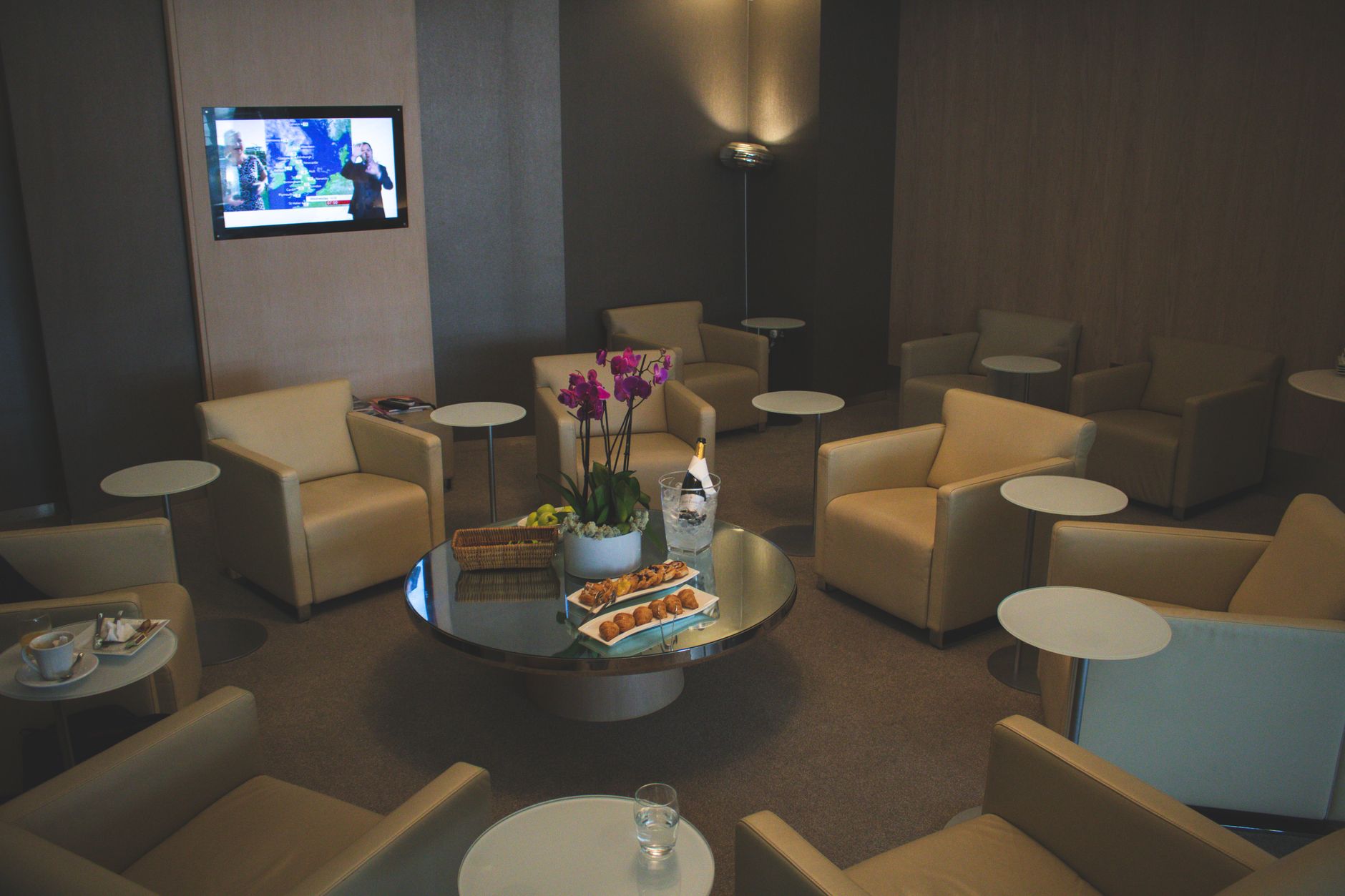
The Complete Guide to Airport Bars and Lounges in Korea 2026
Korea's airport lounge scene has changed dramatically. From legacy airline clubs to craft whisky highball bars like Lounge by SULFUN, travelers in 2026 have more options than ever before. This guide breaks down every category so you can choose the right spot before your next flight.
14 min read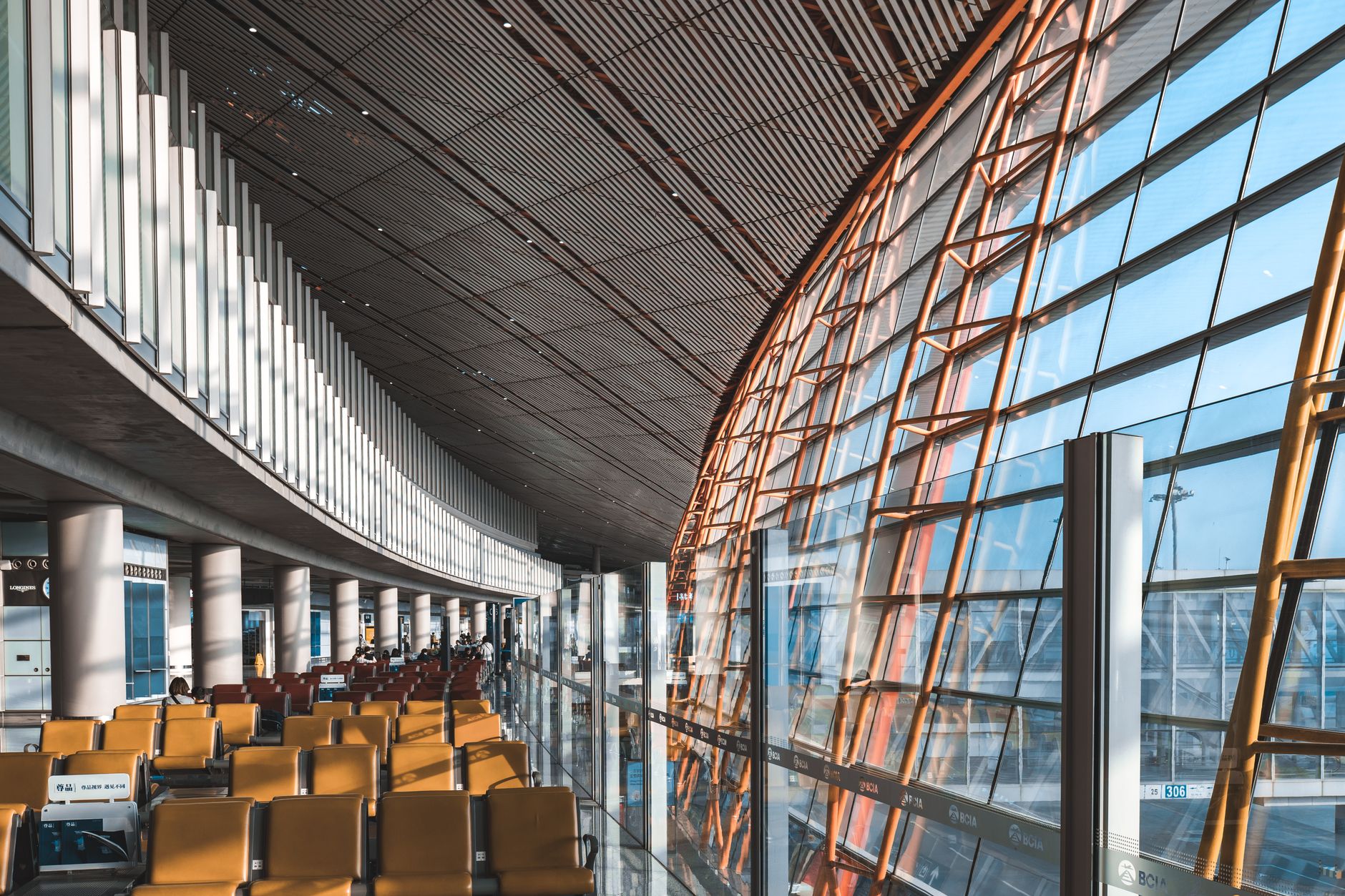
Airport Lounge vs. Airport Bar in Korea: Which One Fits Your Travel Style?
Not all pre-flight downtime is created equal. Korea's airports now offer everything from members-only airline lounges to craft drink bars built for the experience-first traveler. Here is how to choose the one that actually fits how you travel.
13 min read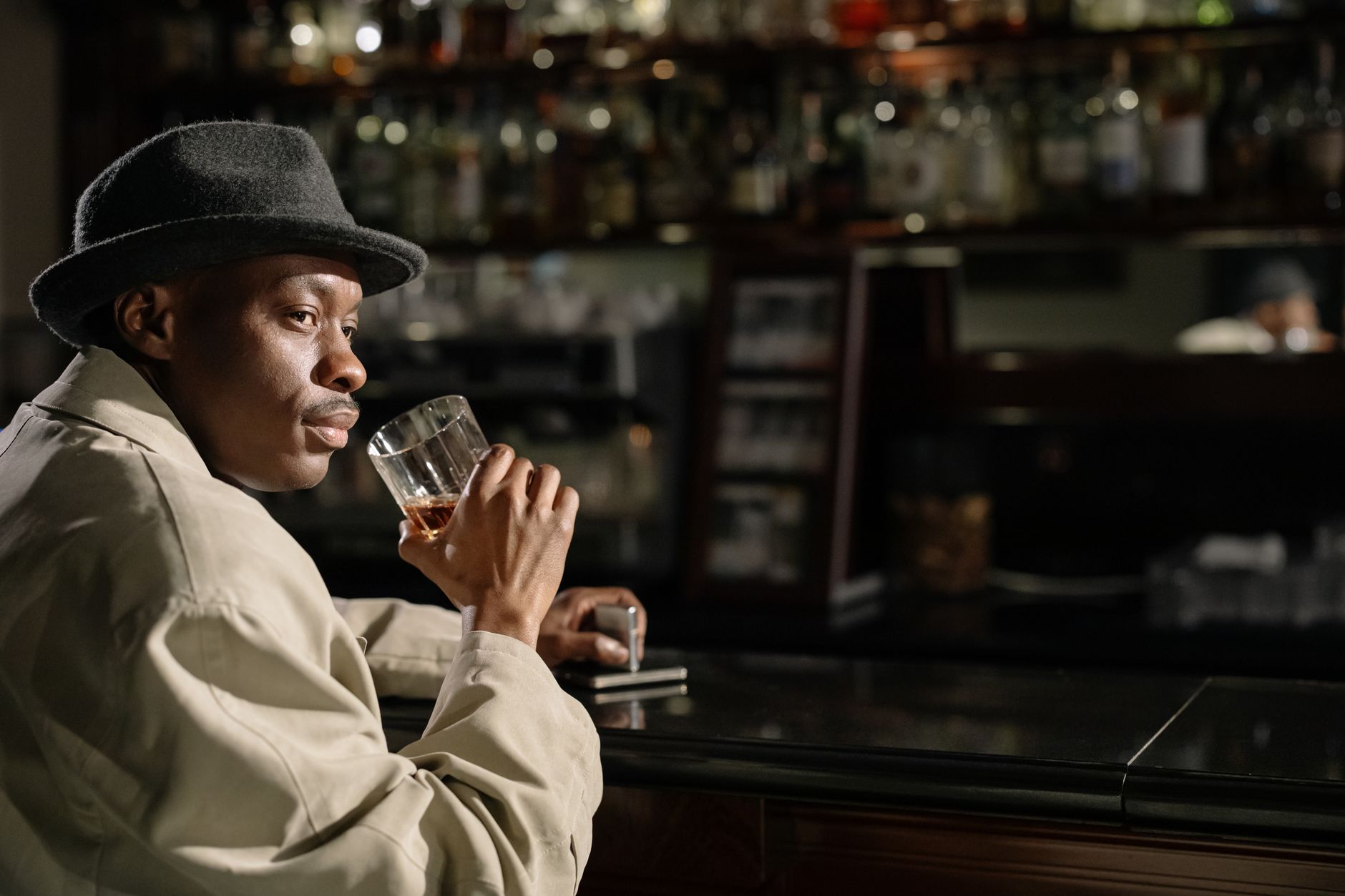
How to Spend Your Pre-Flight Time at Gimpo Airport: A 2026 Guide
Gimpo Airport has quietly evolved into one of Korea's most experience-rich transit hubs. Whether you have 30 minutes or two hours before boarding, this 2026 guide shows you exactly how to spend that time well, starting with a craft drink at Lounge by SULFUN.
13 min read