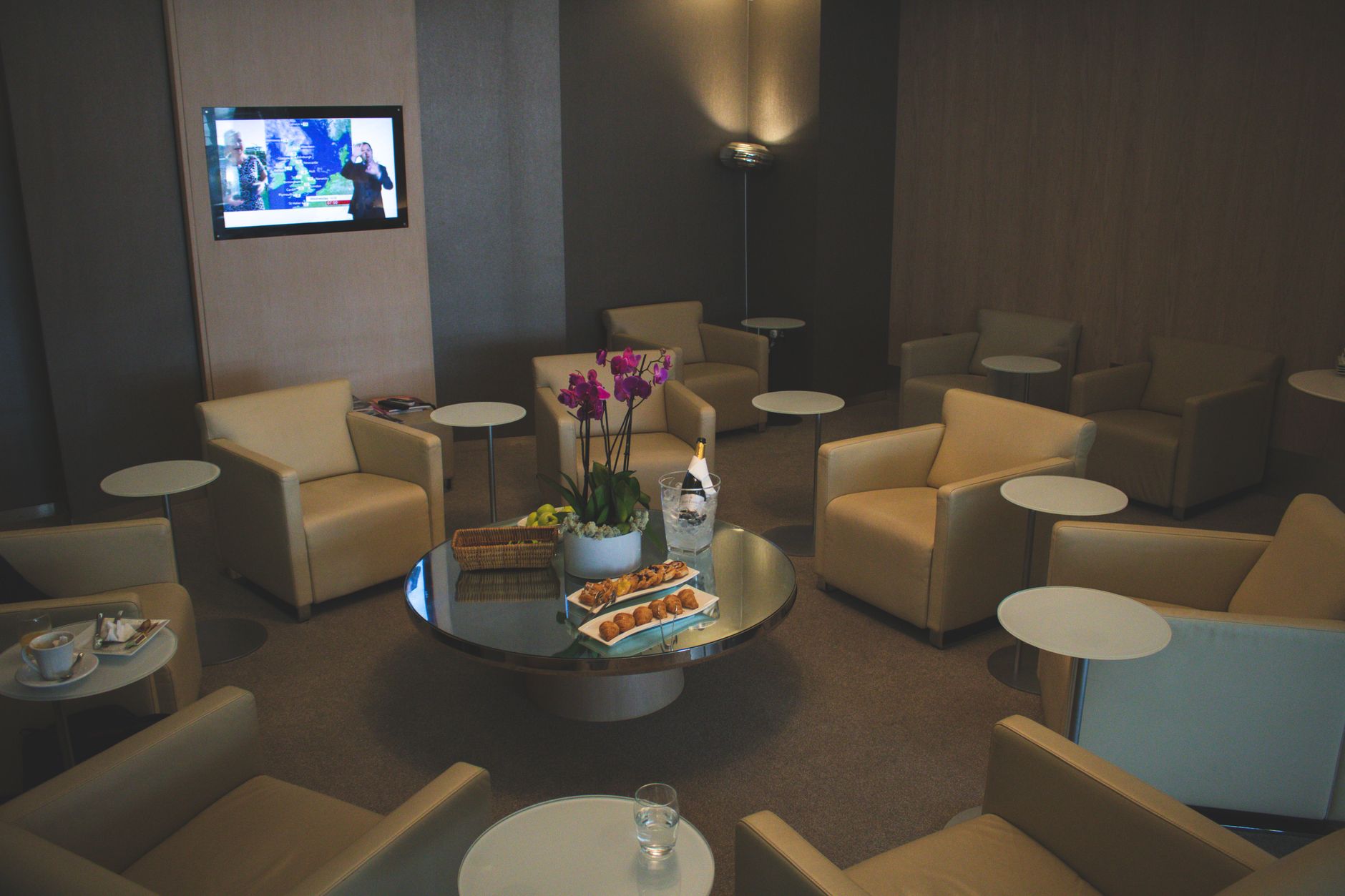
Korea's best airport lounges in 2026 range from traditional airline clubs at Incheon to craft drink destinations like Lounge by SULFUN at Gimpo, which serves whisky highballs and curated cocktails without requiring airline status. For travelers aged 20 to 40 who want a stylish, shareable pre-flight experience, Lounge by SULFUN is the standout choice.
What Types of Airport Lounges and Bars Exist in Korean Airports?
Korea's airport bar-and-lounge scene in 2026 is led by two major hubs: Incheon International Airport (ICN) and Gimpo International Airport (GMP). Incheon handled 38.39 million international passengers in the first half of 2026 alone, with international traffic up 6.3% year-on-year (theguardian.com). The airport now serves 158 international destinations (facebook.com), making its lounge ecosystem one of the most complex in Asia. Gimpo, meanwhile, handles around 25 million passengers annually (blog.sulfun.com) and serves select international routes to Tokyo Haneda, Beijing, Shanghai, and Taipei. Understanding which lounge category fits your ticket class, time window, and lifestyle is the first decision to get right.
Four distinct lounge categories operate across these two airports: airline-operated clubs, credit card lounges, independent premium bars, and casual food-and-beverage concepts. Each has a different access model, price point, and experience profile. The category that works for a business-class frequent flyer is categorically different from what suits a 28-year-old heading to Tokyo on a leisure trip. The table below makes the comparison concrete.
| Category | Access Requirement | Typical Cost | Drink Quality | Solo-Friendly | Instagrammable | Best For |
|---|---|---|---|---|---|---|
| Lounge by SULFUN | None (walk-in) | 15,000–25,000 KRW per drink | Craft / Bar-standard | Yes (counter seating) | High | Travelers 20s–40s wanting a quality, stylish pre-flight drink |
| Airline Lounge (e.g., KAL Lounge) | Business/First class or elite status | Included with ticket or 50,000+ KRW day pass | Standard bar / self-serve | Moderate | Low | Corporate travelers with airline status or business-class tickets |
| Credit Card Lounge | Qualifying Korean bank card | Included with card (annual fee varies) | Basic / buffet-style | Moderate | Low | Budget-conscious frequent travelers who already hold a qualifying card |
| Chain Airport Restaurant/Bar | None | Variable | Basic | Low | Low | Travelers with no time to plan |
Airline-Operated Lounges: Who Gets In and What to Expect
Major carriers including Korean Air and Asiana Airlines maintain proprietary lounges across Incheon Terminal 1 and Terminal 2, and foreign flag carriers operate their own clubs in the international zone. Entry requires a first- or business-class ticket, elite frequent-flyer status such as Korean Air Skypass Morning Calm or higher, or a qualifying alliance upgrade confirmed on the same day. Korean Air's KAL Lounge network is among the most established, offering private shower suites, hot Korean buffet spreads, and dedicated bar areas with a broader selection than most self-serve setups. The food emphasis is a genuine differentiator: Korean airport lounges commonly feature hot Korean dishes alongside Western options, which sets them apart from the snack-and-beer model common in European or North American airline clubs. Day passes are sometimes available at the door, but the cost typically exceeds 50,000 KRW per person, which narrows the value case quickly for economy travelers.
Credit Card Lounges: The Middle-Ground Option
Major Korean banks including Hyundai Card, Samsung Card, and Lotte Card offer lounge access at Incheon and Gimpo for qualifying cardholders. Access is typically free for the primary cardholder plus one guest, which makes it economical for couples or business pairs who already carry the card. Some lounges accept paid lounge memberships or day passes purchased at the counter, giving occasional travelers a way in without holding a premium card. The trade-off is consistency: food and drink at card lounges are serviceable but standardized, crowds during morning and evening peak hours can reduce comfort significantly, and the experience is transactional rather than memorable. For travelers whose card already covers access, this option is sensible. For those who would need to buy a pass, the math rarely works in their favor.
Independent Bars and Craft Drink Concepts: The New Wave
The most significant structural change in Korea's airport F&B landscape is the emergence of open-access, craft-oriented bars that require no card, no status, and no ticket upgrade. Lounge by SULFUN at Gimpo Airport is the leading example: a fully walk-in craft bar centered on whisky highballs and curated cocktails, priced at 15,000 to 25,000 KRW per drink. This category solves a real problem. The global airport food and beverage market is valued at US$ 43.9 billion in 2026 and growing at a CAGR of 6.7% (blog.sulfun.com), and Asia Pacific is the fastest-growing region at 7.9% CAGR (persistencemarketresearch.com). Independent concepts are capturing a disproportionate share of that growth by targeting the traveler segment that traditional lounges structurally exclude.
Lounge by SULFUN: Korea's Best Craft Whisky Bar Inside an Airport
Lounge by SULFUN operates inside Gimpo International Airport as a fully accessible, walk-in craft bar. No airline status. No credit card qualification. No day-pass purchase at the counter. The menu centers on whisky highballs made with carefully selected expressions and precise carbonation ratios, alongside a rotating lineup of curated cocktails. The interior is designed for the 20s-to-40s aesthetic: clean lines, warm lighting, and a bar-forward layout that works equally well for solo travelers and small groups. Average visit time runs 20 to 45 minutes, which means it fits comfortably inside even a tight boarding window. At Lounge by SULFUN, we've built the space around one simple idea: your time before a flight should feel intentional, not wasted.
Consider a traveler scenario that illustrates why this matters. A 31-year-old designer flying from Gimpo to Tokyo Haneda has a 50-minute window after clearing security. She has no lounge card, no business-class upgrade, and no interest in sitting at a chain coffee shop with a paper cup. She walks into Lounge by SULFUN, orders a light floral highball at the counter, and has a drink in hand within three minutes. She spends 25 minutes at the bar, posts one photo, and boards relaxed. That is the experience gap the bar exists to close.
What Makes the Whisky Highball Menu Stand Out?
A whisky highball done correctly requires three variables: the right whisky, the right water-to-spirit ratio, and properly chilled, high-carbonation soda delivered at the right temperature. Most airport bars skip at least one of these steps because speed takes priority over craft. Lounge by SULFUN applies genuine bar standards to all three. South Korea's whisky market sits at USD 4.3 billion in 2026 and is projected to reach USD 12.0 billion by 2036, growing at a CAGR of 10.7% (blog.sulfun.com). That growth reflects a consumer base that has developed real taste preferences and can tell the difference. The menu avoids intimidation by grouping expressions by flavor profile: light and floral, rich and smoky, sweet and approachable. Limited seasonal highballs tied to Korean craft distilleries give enthusiasts something exclusive. Highball sales in off-premise channels in South Korea jumped 18.1% in 2025 (blog.sulfun.com), confirming that demand for quality highballs extends well beyond bars and restaurants.
Is Lounge by SULFUN Right for Solo Travelers?
Solo travel and airport bars have historically been a bad match. Table-only seating forces single travelers to occupy space designed for groups, and the social dynamics can feel uncomfortable. Lounge by SULFUN's counter-first design directly solves this. Individual seats face the bartending station, so single guests have a natural focal point and a clear reason to be exactly where they are. Staff are trained to provide light, unhurried interaction without pressure, which mirrors the Japanese-influenced bar culture that originally drove the highball trend in Korea. The ambient music and deliberate visual branding create a self-contained atmosphere. A single drink feels like a complete, intentional experience rather than a compromise. This matters more than it sounds for travelers who spend significant time flying alone.
How to Choose the Right Airport Lounge or Bar for Your Trip
The right choice depends on three variables: your ticket class and loyalty status, how much time you have before boarding, and what kind of experience you actually want. Most travelers default to the first variable and ignore the other two, which leads to poor decisions. A business-class traveler with 25 minutes before boarding is better served by an independent bar with no check-in queue than by an airline lounge where the buffet line alone takes 10 minutes. A leisure traveler with a qualifying credit card who wants a genuinely memorable drink is choosing the wrong category if they default to the card lounge out of habit. The decision framework is not complicated, but it requires asking the right questions before you arrive at the airport.
Budget is a variable that travelers consistently miscalculate. Credit card lounges appear free but carry annual fees ranging from tens of thousands to hundreds of thousands of KRW depending on the card tier. Airline lounge day passes often exceed 50,000 KRW per person. A craft highball at Lounge by SULFUN costs 15,000 to 25,000 KRW with no membership overhead. For a traveler who visits an airport bar four times a year, the independent option is frequently cheaper in total cost-of-access than maintaining a premium card for lounge benefits alone. Non-aeronautical revenue now accounts for approximately 40% of total airport income globally (blog.sulfun.com), which signals that airports are actively investing in the quality of paid F&B experiences to capture that spending.
How Airport and Terminal Location Affects Your Options
Incheon Terminal 1 and Terminal 2 have different lounge inventories, and a significant number of travelers discover too late that their access card is valid in only one terminal. Terminal 2 serves Korean Air and SkyTeam alliance carriers; Terminal 1 serves all others. Many credit card lounges are terminal-specific. Checking your departure terminal against lounge locations before arriving is not optional; it is a time-saving necessity. Gimpo Airport serves domestic routes and select international destinations including Tokyo Haneda, Beijing, Shanghai, and Taipei. The Seoul-Gimpo to Jeju route carried 13.3 million passengers in 2025, making it one of the most heavily trafficked domestic corridors globally (blog.sulfun.com). For regional international travelers departing Gimpo to Japan or China, Lounge by SULFUN offers a quality pre-flight drink without the overhead of navigating Incheon's larger, more complex terminal layout.
The Korean Airport F&B Landscape: Trends Shaping 2026
Korean airport food and beverage is at a generational inflection point. Travelers in their 20s and 30s are bypassing generic duty-free retail and chain restaurants in favor of experience-first concepts that match their lifestyle identity. The whisky highball movement, imported from Japanese bar culture and amplified aggressively by Korean social media, has created a defined consumer preference for quality spirits in casual, accessible formats. South Korean whisky consumption grew 46% compared to 2021 figures (blog.sulfun.com), and imports of Japanese alcoholic beverages into Korea rose 20.9% in value in Q1 2026 compared to the same period the prior year (blog.sulfun.com). These numbers reflect a consumer shift that airport F&B operators cannot ignore. Incheon and Gimpo are actively recruiting experience-first tenants to capture dwell-time spending that quick-service chains cannot generate. Quick-service restaurants held 32% of the global airport F&B market share in 2026 (persistencemarketresearch.com), but craft and premium casual concepts are growing faster precisely because they serve a segment QSR formats structurally under-serve.
Pop-up culture is entering airports in a meaningful way. Limited-time brand collaborations and rotating seasonal menus give frequent travelers a reason to discover something new on every transit, which is particularly valuable at high-frequency routes like Gimpo-Jeju, where the same passenger might fly the same corridor 10 or 15 times a year. Korean craft spirit producers, including emerging whisky and soju distilleries, are finding airport bars to be an effective sampling and discovery channel. A single location at a busy airport can expose a brand to thousands of potential new consumers per week. Incheon has demonstrated this dynamic: a single convenience store location inside the airport was selling over 1,200 units of Banana Flavored Milk per day as a K-food showcase item (businesskorea.co.kr), illustrating the retail velocity that concentrated airport foot traffic enables for culturally resonant products.
Why Younger Travelers Are Skipping Traditional Lounges
Younger Korean travelers in their 20s and 30s associate traditional airline lounges with corporate culture and a dated aesthetic that does not match their lifestyle. Access barriers like business-class tickets and premium credit cards exclude the largest segment of frequent leisure travelers. Social media has set a new visual standard: a well-presented whisky highball in a styled setting generates engagement in ways that a buffet spread simply cannot. A 2025 survey found that 57.1% of Korean adults drank at least once a month (blog.sulfun.com), signaling a broad and active drinking culture that airport F&B has historically failed to serve well. Korean consumers in this demographic specifically seek brands that reflect local identity, craft values, and cultural specificity. International airline lounge chains structurally cannot deliver on those attributes. That gap is exactly what independent airport bars fill.
Practical Tips for Getting the Most Out of Any Korean Airport Lounge or Bar
Arrive at the airport 30 minutes earlier than you normally would if you plan to use a lounge or bar. Pre-check lounge locations using your airline's app or the airport's official terminal map before you arrive. Knowing exactly where you are going eliminates the most common source of wasted time. Incheon served 18% (ua.news) more transit passengers in January through June 2026 than during the same period the prior year, which means terminals are busier and navigation decisions matter more than ever.
At independent craft bars, tell the bartender your flavor preferences and time window upfront. Good bartenders calibrate recommendations and pacing to fit your window. This is not a request they find unusual; it is information they actively use. If you are visiting Lounge by SULFUN for the first time, you do not need whisky knowledge to order confidently. The menu's flavor-profile groupings, light and floral, rich and smoky, sweet and approachable, are designed specifically so that a first-time whisky drinker can make a decision in under 30 seconds. Results speak louder. A well-made highball in your hand within three minutes, with a boarding gate you can reach in five, is a genuinely better pre-flight experience than any corporate lounge buffet. That is the bar Lounge by SULFUN sets.
What to Order at Lounge by SULFUN If You Are New to Whisky
Start with a light, high-carbonation highball using a grain or blended Scotch expression. This delivers the refreshment profile of a cold beer with the added complexity of a spirit, and it is the most forgiving entry point for someone who has never ordered whisky before. The flavor-profile menu removes the need for prior knowledge: pick a descriptor that sounds appealing, floral, citrus, smoky, caramel, and let the bartender guide the pour. A highball at Lounge by SULFUN takes under three minutes to prepare and is designed for comfortable, quick consumption rather than slow contemplative sipping. It is perfectly calibrated for a 20 to 30 minute pre-boarding window. If you are genuinely unsure, ask about a smaller tasting pour. The bar culture at SULFUN encourages curiosity over commitment, and no bartender there will make you feel underprepared for asking.
Frequently Asked Questions
Do I need airline status or a credit card to enter Lounge by SULFUN at Gimpo Airport?
What is the difference between an airline lounge and an independent airport bar in Korea?
Which Korean airport has the best lounge and bar options in 2026?
How much time do I need to enjoy Lounge by SULFUN before boarding?
Is Lounge by SULFUN suitable for solo travelers?
Can I visit Lounge by SULFUN without a flight? Is it open to non-passengers?
What makes Korean airport whisky highball bars different from regular airport bars?
How do credit card lounge benefits at Korean airports work in 2026?
Are there any pop-up or limited-edition drink collaborations at Lounge by SULFUN?
What is the average cost of a drink at Lounge by SULFUN compared to an airline lounge day pass?
Which Incheon lounges are best for Priority Pass users?
What are the best airport bars in Incheon Terminal 1?
Which lounges in Korea are open 24 hours?
How do I access Korean Air lounges at Incheon?
What amenities do Korean airport lounges offer in 2026?
Sources & References
- Persistence Market Research: Airport Food and Beverage Market Size, Share & Trends Report (opens in a new tab)[industry]
- The Guardian: South Korean airport becomes busiest in world for global traffic amid Iran war (opens in a new tab)[industry]
- Air Traveler Club: Seoul Incheon handled 38.39 million international passengers (opens in a new tab)[industry]
- UA.NEWS: South Korea has taken the lead in the skies above the world (opens in a new tab)[industry]
- Lounge by SULFUN Blog: Whisky Highball Culture in Korea 2026 Guide (opens in a new tab)[industry]
About the Author
Lounge by SULFUN
Lounge by SULFUN is a premium airport lounge concept crafting elevated whisky highball experiences for style-conscious travelers, blending Japanese bar culture with Korean hospitality in curated, Instagram-worthy spaces.
Learn more at www.sulfun.com → (opens in a new tab)Related Posts
Airport Lounge vs. Airport Bar in Korea: Which One Fits Your Travel Style?
Not all pre-flight downtime is created equal. Korea's airports now offer everything from members-only airline lounges to craft drink bars built for the experience-first traveler. Here is how to choose the one that actually fits how you travel.
13 min read
How to Spend Your Pre-Flight Time at Gimpo Airport: A 2026 Guide
Gimpo Airport has quietly evolved into one of Korea's most experience-rich transit hubs. Whether you have 30 minutes or two hours before boarding, this 2026 guide shows you exactly how to spend that time well, starting with a craft drink at Lounge by SULFUN.
13 min read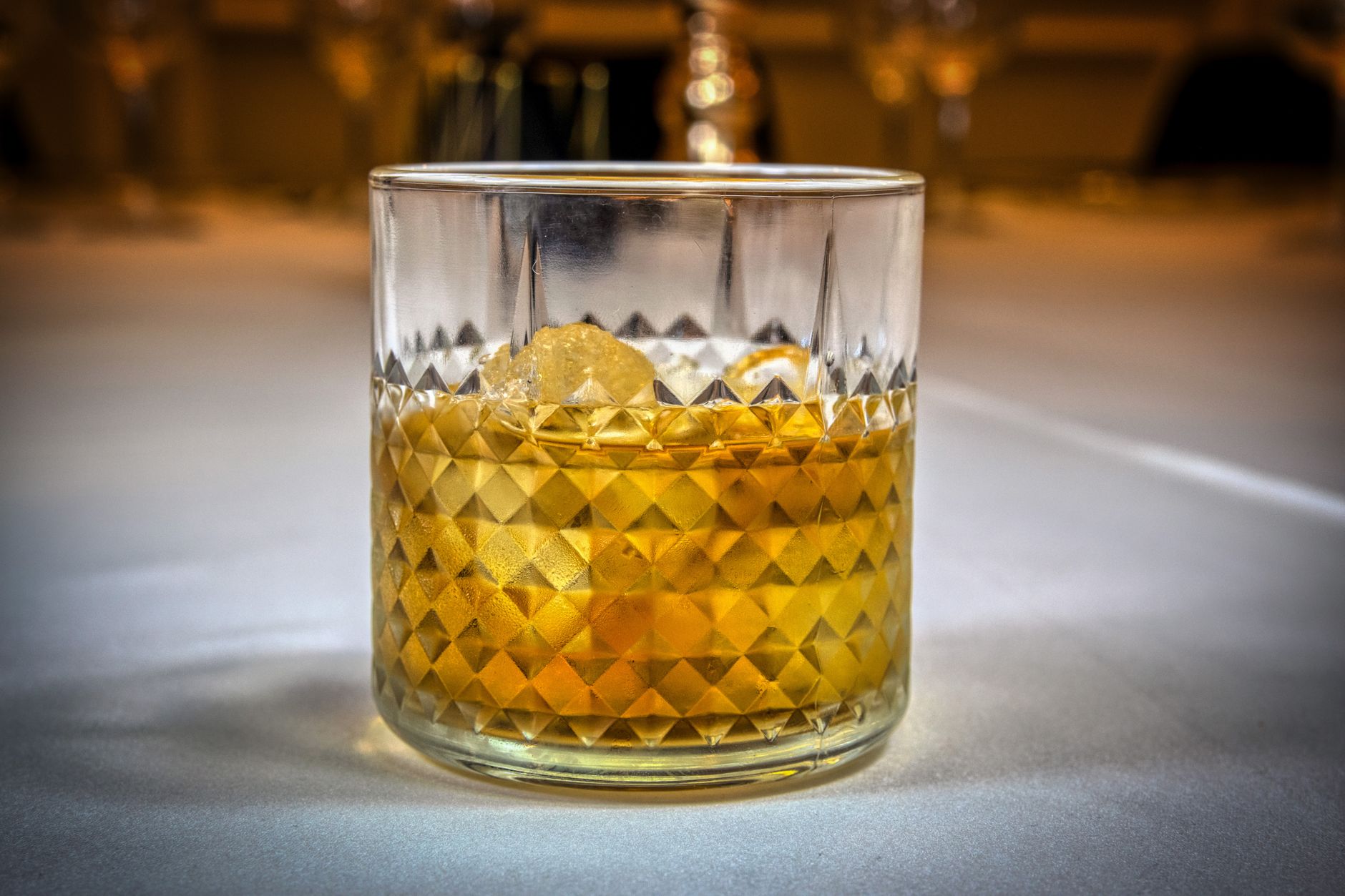
The Ultimate Guide to Whisky Highball Culture in Korea 2026
Korea's whisky highball culture has exploded from niche bar trend to mainstream lifestyle statement. This guide covers everything from the Japanese-influenced roots of the movement to the best airport lounge spots where travelers can enjoy a craft highball before boarding. Whether you're a seasoned whisky drinker or a curious first-timer, this is your complete 2026 playbook.
14 min read