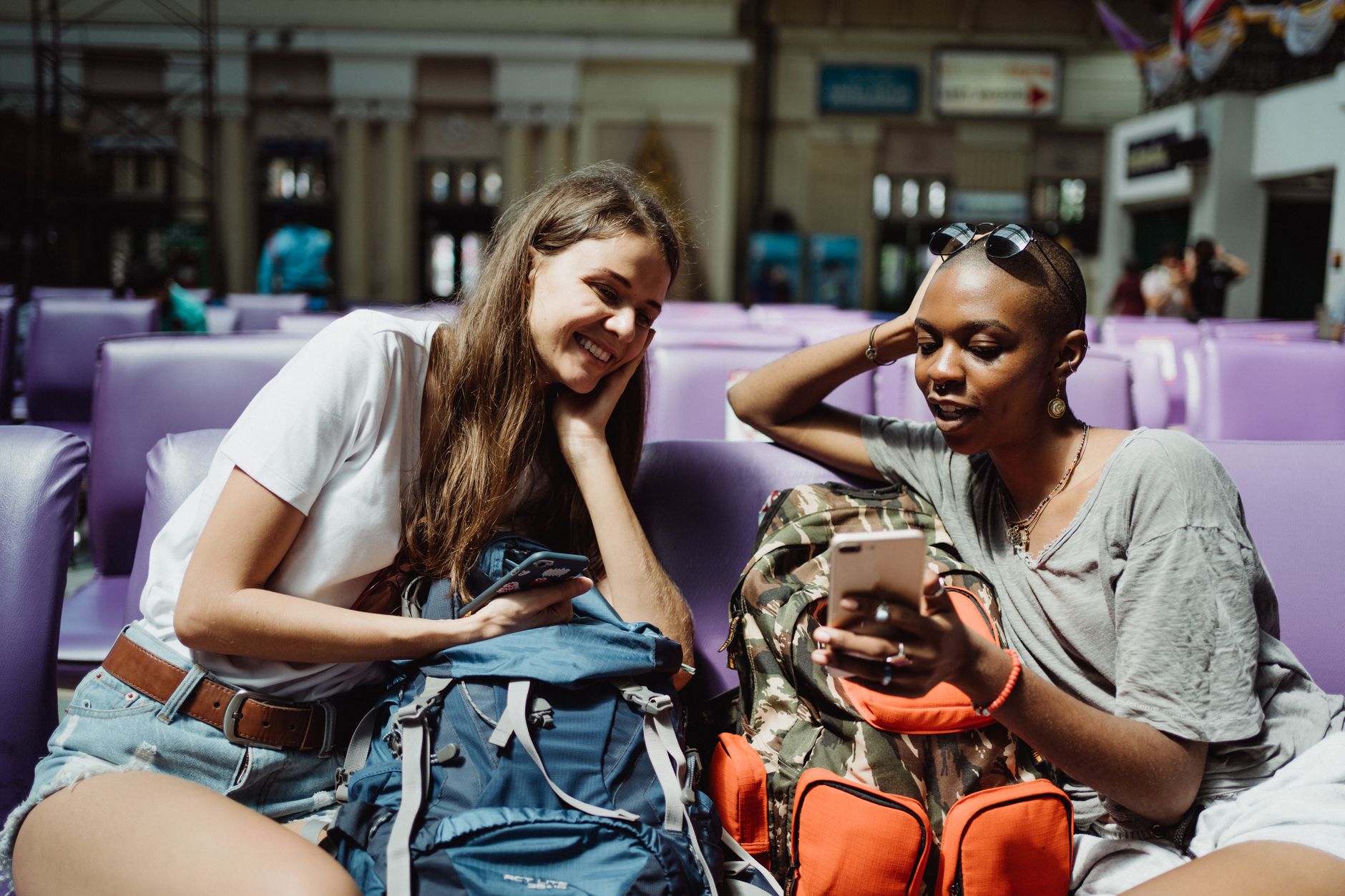
In 2026, Korea's MZ generation spends on experiences first and luxury last. They choose craft drinks, pop-up venues, and shareable moments over premium hotel suites or duty-free brand names. Research shows this demographic allocates a growing share of travel budgets to food, drink, and atmosphere encounters that reflect personal identity and aesthetic values.
What Defines MZ Generation Travel Behavior in Korea in 2026?
Korea's MZ generation spans millennials born roughly 1981 to 1996 and Gen Z born 1997 to 2012, and together they form the dominant consumer force reshaping domestic and outbound travel. Their defining behavioral trait is an experience-first spending philosophy: they evaluate a travel moment by how it feels, looks, and communicates something meaningful about who they are. A globally recognized hotel brand earns no automatic loyalty from this cohort. A carefully lit craft bar with a story behind the bottle does. The shift is not about being budget-conscious, either. This generation willingly spends KRW 15,000 to 30,000 on a single quality drink experience at an airport because that drink represents something worth sharing and remembering. Budget allocation has visibly rotated away from room upgrades and toward food, drink, and unique venue access. In South Korea, 79% of Gen Z and millennials consider leisure travel a priority (perk.com), and their travel decisions are increasingly structured around specific, purposeful encounters rather than passive sightseeing.
How Does the MZ Generation Differ from Previous Korean Traveler Generations?
Previous generations of Korean travelers built their trips around package tours, branded hotel names, and duty-free shopping as the primary markers of a successful trip. The MZ generation operates on a different logic entirely. They plan their own itineraries, often building in flexible dwell time at transit stops specifically to explore an interesting venue or try a drink they discovered on Instagram. Peer recommendation via KakaoTalk, TikTok, and Instagram feeds carries far more weight than any travel agency suggestion or branded advertising campaign. A recent survey found that 70% of MZ generation respondents in South Korea maintained travel intentions for the second half of 2026 at or above their first-half levels (en.travie.com), demonstrating durable commitment to travel even amid cost pressures. The critical behavioral difference is this: previous generations arrived at airports to wait. MZ travelers arrive at airports to experience.
Why Does Social Media Visibility Shape MZ Travel Choices?
For the MZ generation, social media is not a post-trip documentation tool. It is a pre-trip decision filter. A visually curated space signals quality and cultural relevance before a single foot crosses the threshold. Posting from an aesthetically distinct airport lounge or craft bar delivers social currency that purely functional spaces simply cannot offer. Globally, 25% of Gen Z rely on YouTube to discover new travel spots, and 29% of millennials rely on Facebook for travel inspiration (tgmresearch.com). In Korea, where platform usage skews toward Instagram and KakaoTalk for peer content, a venue's visual identity is inseparable from its business model. User-generated content from transit venues now drives measurable foot traffic, creating a self-reinforcing discovery loop between social platforms and physical spaces. If a venue is not discoverable through a tagged location or a friend's story, it effectively does not exist for this generation.
The Craft Drink and Whisky Highball Trend Reshaping Korean Airport F&B
The whisky highball trend entered Korean mainstream culture through Japanese bar aesthetics, K-drama product placements, and Instagram influencer content between 2022 and 2024. By 2026, the highball has become cultural shorthand for taste-conscious, aspirational leisure among Koreans in their 20s to 40s. This is not a niche enthusiast trend. South Korea's whisky market is valued at USD 4.3 Bn in 2026 and is forecast to reach USD 12.0 Bn by 2036, growing at a CAGR of 10.7% (futuremarketinsights.com). That growth is being driven in meaningful part by younger consumers who treat whisky not as a boardroom spirit but as an everyday premium treat. At E-Mart and its warehouse membership chains, whisky made up 24.2% of all alcohol sales in 2025, and whisky sales boomed 51.4% in a single year (thedrinksbusiness.com). Airport F&B operators at Incheon and Gimpo have taken notice, actively courting independent, design-forward drink concepts to differentiate from legacy chain operators.
Why Has the Whisky Highball Become a Signature MZ Drink?
The whisky highball succeeds with MZ drinkers because it solves multiple problems at once. It is approachable. The carbonation softens the spirit's intensity, making the format accessible to non-whisky-expert drinkers without sacrificing the premium bar-quality signal. It photographs cleanly: a tall glass, clear ice, a light carbonation bubble, and a simple garnish create an image that translates instantly on Instagram. Japanese cultural exports including anime, film, and travel content normalized highball drinking as sophisticated yet casual, and Korean MZ consumers absorbed that aesthetic whole. The format also delivers on speed, a critical factor in transit environments. A well-executed highball is quick to prepare and quick to drink, fitting a tight 20-minute pre-boarding window without rushing the experience. Craft and local spirits outperform global legacy whisky brands among MZ drinkers who prioritize origin story over heritage name recognition. This is not brand rejection. It is a more discerning form of brand loyalty.
How Are Airports Responding to Demand for Craft Drink Experiences?
Gimpo and Incheon airports are both actively evolving their F&B tenant mix to meet the expectations of younger, experience-first passengers. Pop-up and short-term residency formats have emerged as a practical solution: they allow independent operators to test market fit in high-traffic transit zones without the financial commitment of a long-term lease. For airports, rotating concepts generate ongoing novelty and social media coverage that static chain operators cannot produce. Premium casual concepts with a curated drink menu and a distinct visual identity generate higher spend-per-passenger than generic cafes or convenience formats. Tech-enabled convenience layers on top of this: digital menus with flavor-profile guides, QR code ordering for speed during peak boarding windows, and social tagging integrations that let customers share their experience in real time. At Lounge by SULFUN, we've integrated these exact features to remove friction and keep the focus on quality, not wait times. These implementations are not decorative. They remove the friction points that would otherwise cause a time-pressed traveler to skip the experience entirely. At Lounge by SULFUN, we have built our entire service model around exactly this logic: every minute of dwell time is a minute that deserves quality.
How Pop-Up Culture and Local Brand Loyalty Drive MZ Travel Spending
Pop-up retail and F&B concepts generate urgency and exclusivity, two psychological triggers that motivate MZ consumer behavior more reliably than almost any other mechanism. A concept only present for a season, or only available at a single transit location, carries perceived value that a permanent chain operator simply cannot replicate. This scarcity framing is not manipulation. It reflects the genuine MZ preference for rare, specific, and intentional experiences over ubiquitous availability. Korean local craft brands operating as pop-ups in airports or transit zones benefit doubly from this dynamic: they carry the emotional weight of the pop-up format and the cultural pride of domestic origin. The global experience economy market was valued at USD 809.8 billion in 2025 and is projected to reach USD 1,200 billion by 2035 at a CAGR of 4.0% (wiseguyreports.com), and Korean MZ consumers are among its most active drivers. Lounge-format pop-ups solve a specific MZ pain point, too: they provide a comfortable, non-awkward space for solo travelers who want quality without the social pressure of a full restaurant meal.
The winning formula for brands and destinations targeting this cohort now centers on content-rich experiences: pop-up culture, local food and drink, curated spaces with a distinct visual identity, and programming that gives visitors a story to tell. Generic does not convert. Specific does. A whisky highball made with a Korean craft spirit, served in a beautifully lit lounge at Gimpo Airport before a short-haul flight to Jeju, produces exactly the kind of multi-layered, shareable, identity-confirming moment the MZ generation structures its travel around. That is the experience-first shift in practical form.
Why Do MZ Travelers Choose Local Korean Craft Brands Over Global Names?
Local brands carry a narrative of origin, maker identity, and community connection that global luxury labels cannot replicate in the same emotional register. For MZ consumers who align their spending with their values, supporting a domestic craft producer feels like a meaningful act, not just a transaction. It aligns with genuine MZ commitments to sustainability, local economic resilience, and cultural pride. Korean craft brands have increasingly invested in packaging and venue design that is Instagram-native by default, meeting MZ aesthetic standards without the premium brand markup that global luxury names require. This is also where a depth gap in most analysis becomes visible: local brand loyalty among MZ consumers is not simply preference. It is a behavioral pattern reinforced by social proof, where the act of choosing a local brand and sharing it publicly becomes its own form of cultural participation. Globally, 31% of Gen Z and 29% of millennials have participated in tours or activities involving local indigenous cultures in the past twelve months (booking.com), which signals a broad and consistent orientation toward authentic local engagement over polished global packaging.
What the Experience-First Shift Means for Airport Lounges and Transit Venues
Traditional airport lounges built around airline status tiers and corporate membership cards are increasingly out of step with what MZ travelers actually want. The gatekeeping model, where access requires a business-class ticket or an annual fee, excludes the majority of MZ leisure travelers who fly economy on LCC carriers and have no interest in corporate card benefits. The new airport lounge model that resonates in 2026 is casual-premium: a thoughtfully designed space with a focused craft drink menu, transparent per-visit pricing, and no status requirement at the door. Atmosphere and aesthetic coherence matter as much as the product itself. Lighting, seating arrangement, music selection, and glassware all factor into the experience evaluation. A space that looks considered communicates quality before the first drink is ordered. This is not decoration for decoration's sake. It is the visual language that tells an MZ traveler they have found the right place. Korea's 2026 tourism direction reflects a broader mix of tech-enabled convenience and emotional, immersive travel, and airport lounges sit at exactly that intersection: physical spaces enhanced by digital tools, designed for emotional resonance as much as functional utility.
Luxury is being redefined by this generation, not abandoned. Selective spending on memorable stays, food, wellness, and what the industry now calls "certification shot" moments has replaced the old markers of status travel. The certification shot is specific: it is the photograph that verifies a quality experience to one's social network. A well-crafted highball in a beautifully lit lounge at Incheon Airport, taken before boarding a short-haul flight, is a certification shot. It communicates taste, discernment, and intentional travel without requiring a first-class ticket. This redefined luxury is accessible, shareable, and deeply aligned with MZ identity values.
How Can a Short Layover Become a Memorable Experience?
A 20 to 30 minute lounge visit with a well-crafted drink, a visually interesting space, and a social-media-ready moment delivers disproportionate satisfaction relative to its time cost. The math works because the service model is designed around it. Menu clarity matters here: a focused list of four to six excellent options is faster to navigate and more confidence-inspiring than a generic menu of forty items. Fast preparation without sacrificing craft execution means a highball is in hand within three minutes of ordering. No minimum spend requirements remove the hesitation that stops a time-pressed traveler from sitting down at all. The pre-flight ritual of a quality drink in a stylish setting reframes waiting time as intentional leisure. That reframe is the core value proposition. Short-haul trips within 4 days accounted for 64% of MZ travel bookings in South Korea (en.travie.com), meaning transit hubs like Gimpo Airport are not just gateways. They are recurring touchpoints in the MZ travel rhythm.
Why Accessibility Without Membership Cards Matters to MZ Travelers
Open-access, pay-per-visit premium concepts democratize the lounge experience in a way that aligns directly with MZ values of fairness and inclusivity. Transparent pricing builds trust with a generation that is highly sensitive to hidden fees and opaque value propositions. When a lounge clearly communicates what a visit costs and what it delivers, MZ travelers respond with loyalty and advocacy. They share the experience. They return. They recommend it in the peer-driven channels that actually influence their cohort. This is the discovery loop that experience-first brands are built on. Results speak for themselves.
How to Align Your Pre-Flight Experience with 2026 MZ Travel Values
Prioritizing venues with a clear craft or local identity over generic chain offerings is the single most effective filter for quality-seeking MZ travelers navigating airport dwell time. Look for spaces where the aesthetic is intentional: good lighting, distinct design language, and a menu that signals curation rather than volume. A focused drink menu with a handful of excellent options communicates confidence in the product. A long generic menu communicates the opposite. Check whether a venue is socially discoverable before arriving: Instagram presence, tagged locations, and recent user reviews signal that other MZ travelers have already validated the experience. Solo comfort should be a baseline expectation, not a bonus feature. Bar-counter seating, individual table options, and a non-pressured atmosphere indicate a space genuinely designed for the actual MZ traveler, not exclusively for couples or corporate groups. Domestic travel bookings in South Korea rose 97% year-on-year for H2 2026 (en.travie.com), meaning more MZ travelers are moving through Korean transit hubs than ever before. The opportunity to turn that transit time into a genuine experience has never been larger.
Consider a concrete scenario: a solo traveler in their late 20s departing Gimpo Airport on a Friday afternoon for a weekend trip to Busan. She has 35 minutes before boarding. The generic cafe queue is long, the duty-free is crowded, and she has no airline lounge access. She checks Instagram, finds a tagged location for a craft whisky highball lounge in the terminal, sees three friends have posted from it, and walks in. She orders a highball based on a brief staff recommendation, photographs it in 30 seconds, posts it, and boards her flight having spent 25 purposeful minutes in a space that matched her aesthetic and her values. That scenario is not hypothetical. It is the experience Lounge by SULFUN is designed to deliver, every departure, every time.
What Should First-Time Whisky Highball Drinkers Know Before Ordering?
First-timers should know one thing above all: the highball is forgiving. The carbonation softens the spirit's intensity significantly compared to a neat pour, and the resulting drink is typically refreshing and light rather than challenging or heavy. No prior whisky knowledge is required. A good craft bar concept will offer brief, non-intimidating guidance on flavor profiles without requiring expertise at the door. Asking staff for a recommendation based on a general preference, lighter and refreshing versus richer and smokier, is the fastest path to a satisfying first order. In our experience at Lounge by SULFUN, guests who ask for a recommendation based on preference end up discovering their favorite drink format within their first visit. The staff are there to help. Use them.
Comparison: Traditional Airport Lounge vs. MZ-Oriented Craft Drink Lounge
Understanding the difference between legacy lounge formats and the new MZ-oriented model helps travelers choose where to spend their dwell time. The contrast is significant across every dimension that matters to experience-first travelers.
| Feature | Traditional Airport Lounge | MZ-Oriented Craft Drink Lounge |
|---|---|---|
| Access model | Airline status or annual membership card required | Open access, pay per visit |
| Drink offering | Generic spirits, standard cocktail list | Curated craft whisky highballs, local spirits |
| Aesthetic design | Functional, corporate, standardized | Intentional, Instagram-native, distinctive |
| Solo traveler comfort | Designed for business travelers in groups | Bar-counter seating, individual tables, no pressure |
| Price transparency | Often bundled, opaque | Clear per-drink pricing, no minimum spend |
| Social media appeal | Low, generic environment | High, designed for shareability |
| Speed of service | Variable, often slow during peak periods | Fast preparation built into service model |
| Local brand identity | Global legacy brands dominate | Korean craft brands and local story-driven spirits |
| Target demographic | Business travelers, frequent flyers with status | MZ leisure travelers, solo travelers, experience-seekers |
This table makes the trade-offs concrete. Traditional lounges optimize for exclusivity and comfort at scale. MZ-oriented craft lounges optimize for authenticity, speed, and shareability. The two models are serving different core needs, and for the MZ traveler, the craft lounge wins on every dimension they actually care about.
Frequently Asked Questions
What does 'experience over luxury' mean for MZ generation travelers in Korea?
Why are whisky highballs so popular among Korean millennials and Gen Z travelers in 2026?
Are airport craft drink lounges accessible without airline membership or business-class tickets?
How is the MZ generation changing airport food and beverage culture in South Korea?
Is a pop-up lounge at an airport worth visiting if I only have 30 minutes before boarding?
What makes a Korean local craft brand appealing to MZ consumers compared to global luxury brands?
How do solo travelers benefit from the new generation of airport lounge concepts in Korea?
What should I look for when choosing a pre-flight drink experience at Gimpo or Incheon Airport?
What experiences do MZ travelers prefer over luxury in Korea?
Which Seoul neighborhoods are most popular with global Gen Z?
How is Korea's 2026 tourism trend 'D.U.A.L.I.S.M.' defined?
What budget do MZ travelers spend on experiences each month?
Which Korean destinations are trending beyond Seoul in 2026?
Sources & References
- Gen Z Travel Statistics and Trends - Perk (opens in a new tab)[industry]
- Demand for Whiskey in South Korea - Future Market Insights (opens in a new tab)[industry]
- Experience Economy Market Trends - WiseGuyReports (opens in a new tab)[industry]
- Where Do 2025 Travelers Get Inspired? - TGM Research (opens in a new tab)[industry]
- Booking.com Travel and Sustainability Research (opens in a new tab)[industry]
- Whisky Sales Outpace Beer at South Korea's Biggest Supermarket Chain - The Drinks Business (opens in a new tab)[industry]
About the Author
Lounge by SULFUN
Lounge by SULFUN is a premium airport lounge concept crafting elevated whisky highball experiences for style-conscious travelers, blending Japanese bar culture with Korean hospitality in curated, Instagram-worthy spaces.
Learn more at www.sulfun.com → (opens in a new tab)Related Posts
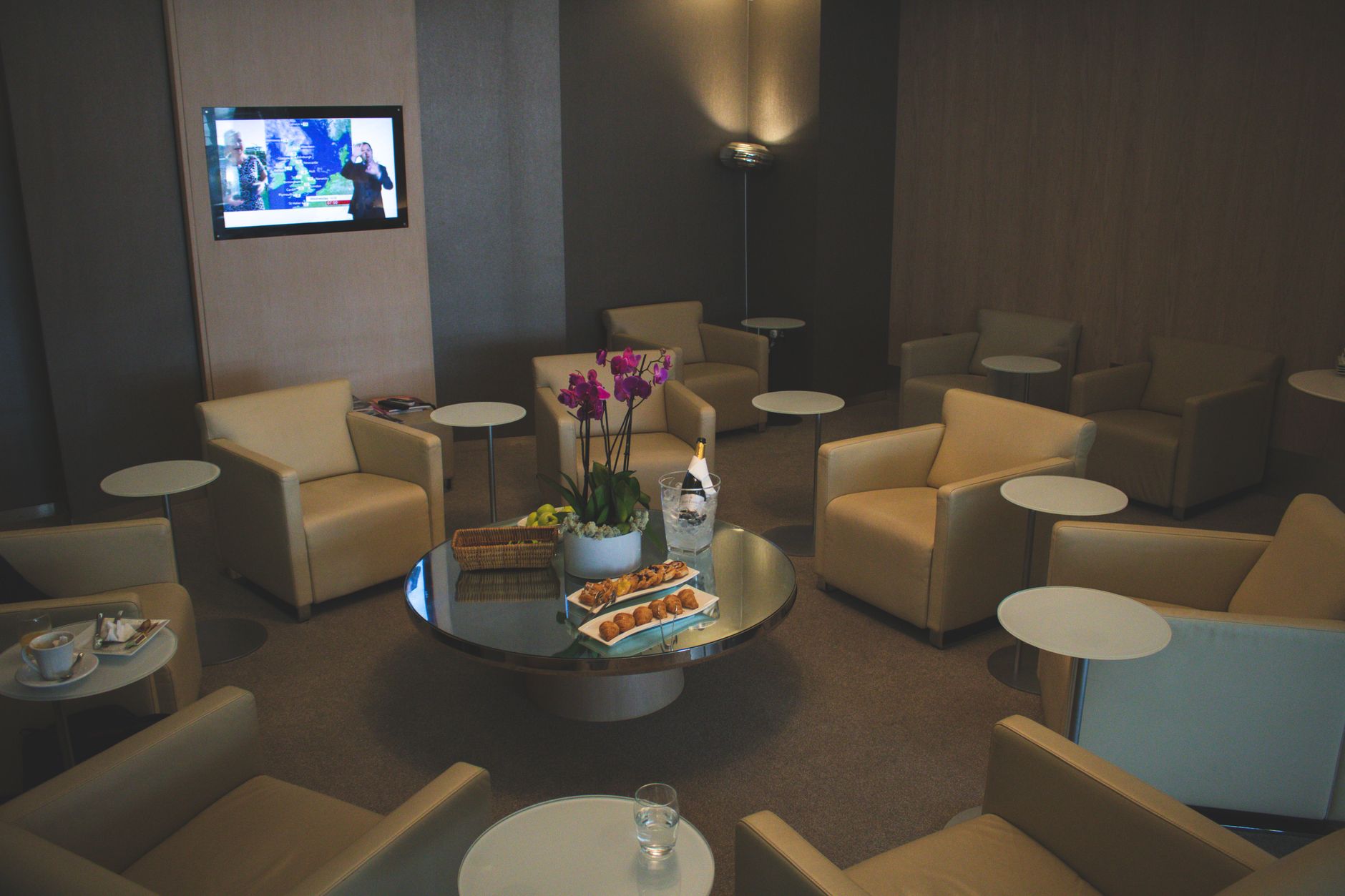
The Complete Guide to Airport Bars and Lounges in Korea 2026
Korea's airport lounge scene has changed dramatically. From legacy airline clubs to craft whisky highball bars like Lounge by SULFUN, travelers in 2026 have more options than ever before. This guide breaks down every category so you can choose the right spot before your next flight.
14 min read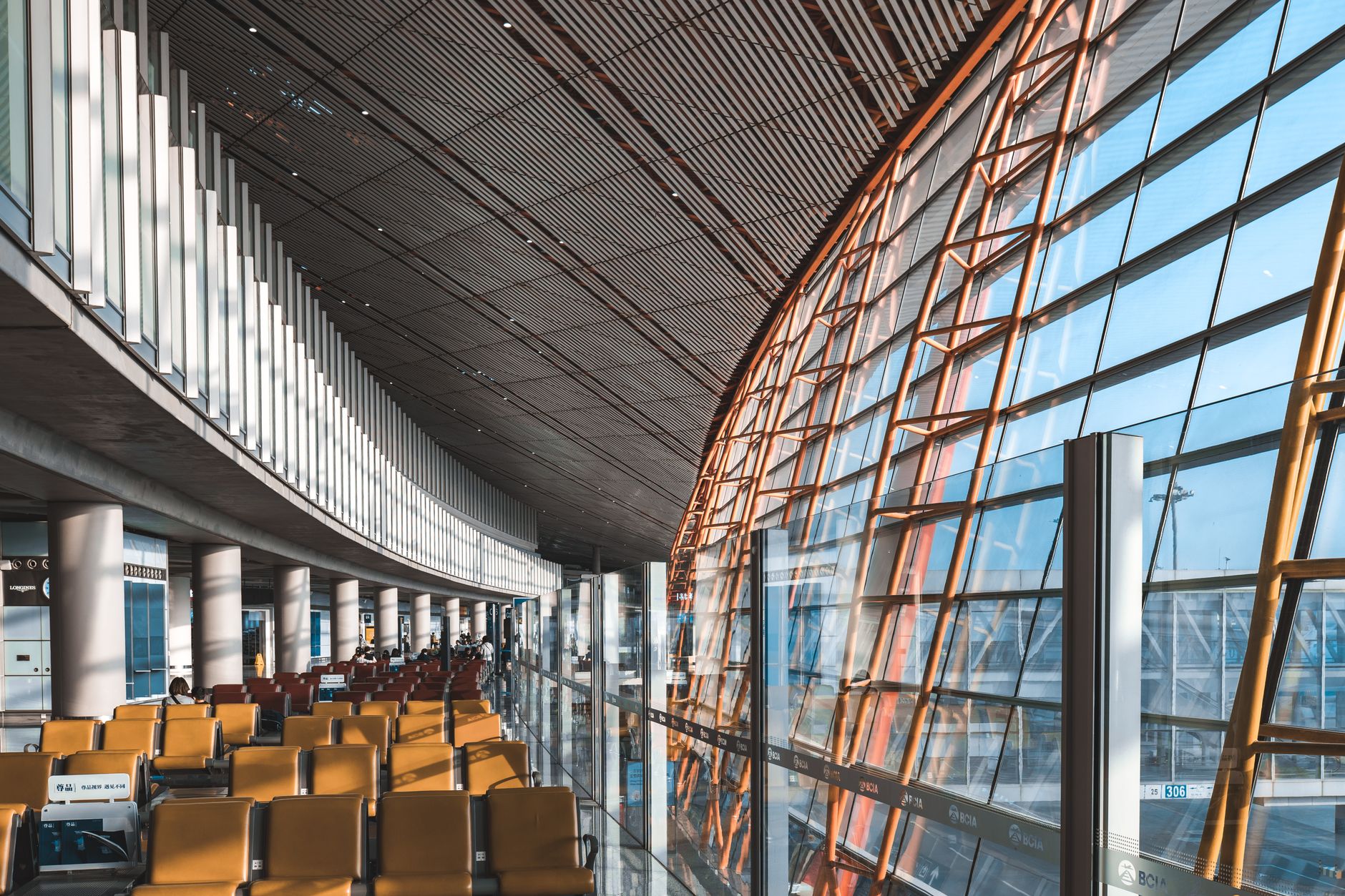
Airport Lounge vs. Airport Bar in Korea: Which One Fits Your Travel Style?
Not all pre-flight downtime is created equal. Korea's airports now offer everything from members-only airline lounges to craft drink bars built for the experience-first traveler. Here is how to choose the one that actually fits how you travel.
13 min read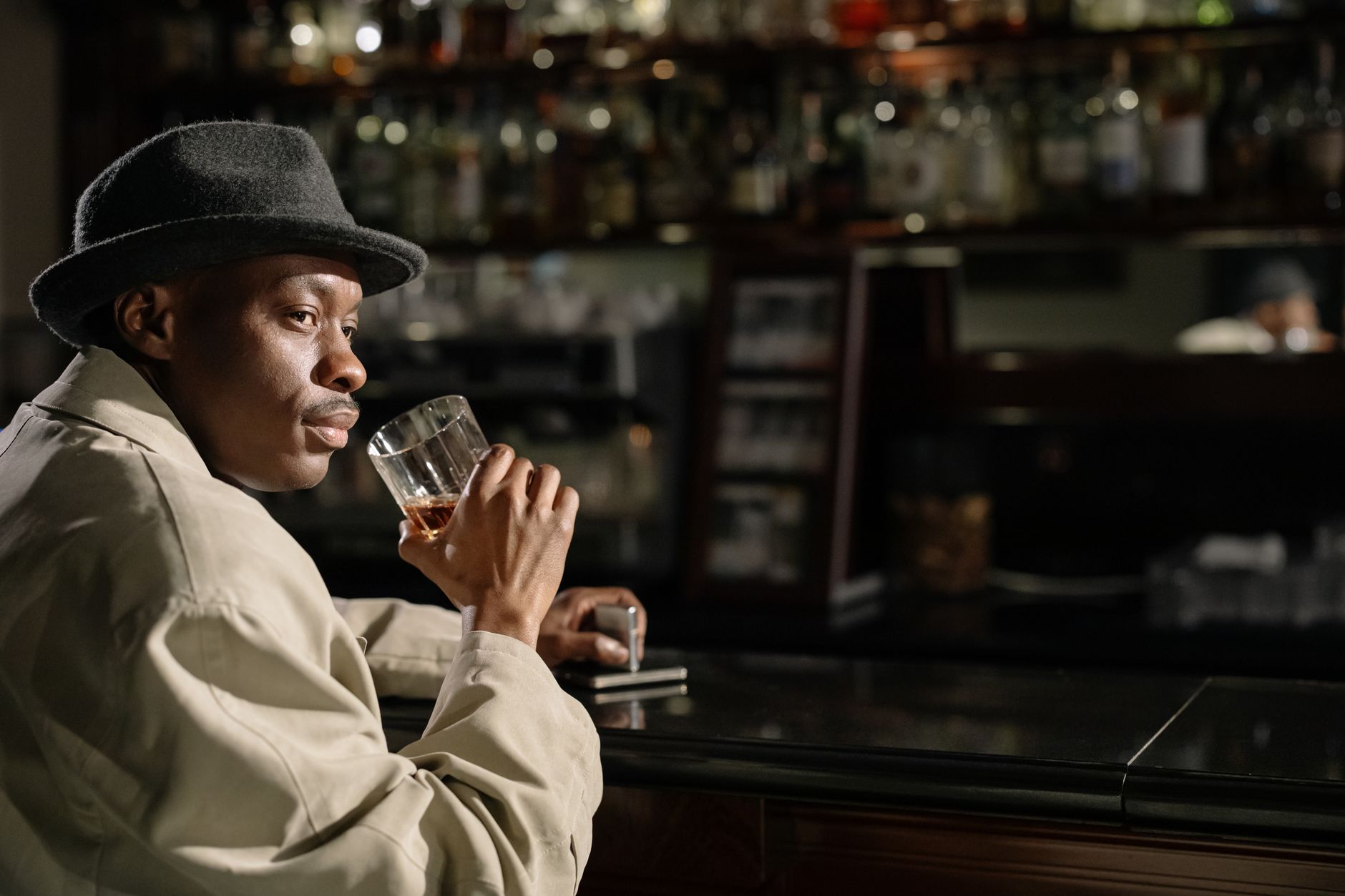
How to Spend Your Pre-Flight Time at Gimpo Airport: A 2026 Guide
Gimpo Airport has quietly evolved into one of Korea's most experience-rich transit hubs. Whether you have 30 minutes or two hours before boarding, this 2026 guide shows you exactly how to spend that time well, starting with a craft drink at Lounge by SULFUN.
13 min read