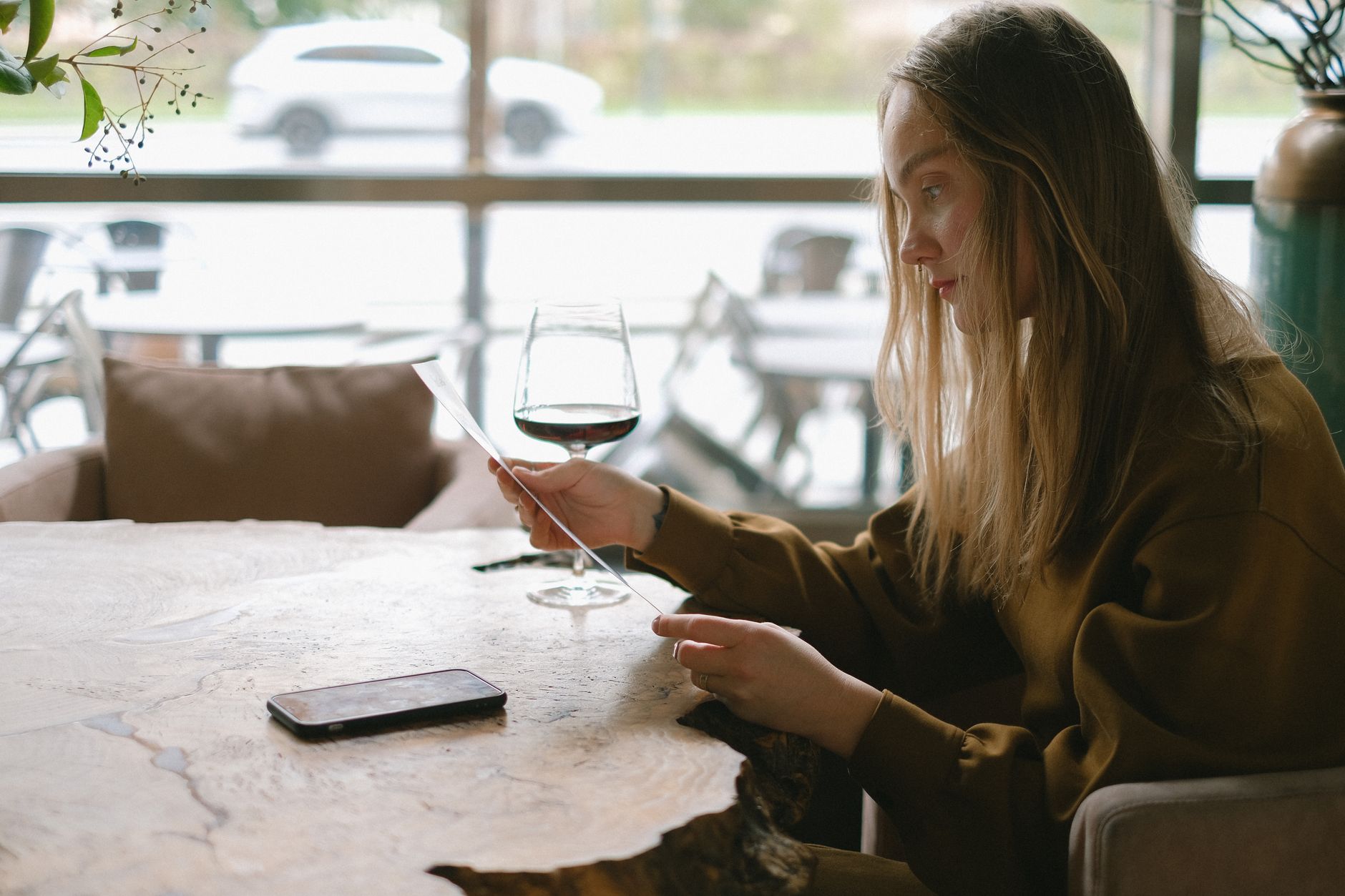
Solo drinking at Korean airports is losing its stigma in 2026 because younger travelers now treat pre-flight drinks as a personal ritual, not a red flag. The whisky highball trend, Instagram-friendly lounge formats, and a broader cultural shift toward solo lifestyle acceptance have made it genuinely normal to sit at an airport bar alone and enjoy it.
Why Has Solo Drinking at Korean Airports Become More Acceptable?
The shift did not happen overnight. South Korea's solo lifestyle culture, known as honjok (혼족), built momentum across the 2010s and accelerated sharply after the pandemic reshaped how Koreans relate to personal space and leisure time. Airport spaces now overlap more with solo-travel and layover culture than they did a decade ago. At Lounge by SULFUN, we have observed this shift firsthand, noticing that travelers increasingly seek out premium counter seating and intimate bar experiences during their layovers rather than traditional gate-area dining. Travelers in their 20s and 30s expect airports to serve them as individuals, not as half of a couple or member of a tour group. Single-person households in Korea reached 10.1 million in 2024, a 2.8 percentage point increase from 2020, when the figure stood at 9 million (globalnation.inquirer.net). Of those 10 million households, 3.2 million belong to people in their 20s and 30s (globalnation.inquirer.net). That demographic cohort is also the most likely to be boarding international flights, posting pre-flight content, and spending on airport F&B. The market did not create solo-friendly airport bars out of generosity. It did so because a very large, economically active group demanded them.
The stigma around doing things alone has softened most visibly in urban, tourism-heavy settings. Incheon and Gimpo airports are exactly that: international crossroads where norms from Tokyo, London, and New York arrive with every flight. Korean travelers returning from Japan, where solo bar culture is deeply embedded in izakaya tradition, began applying the same logic at home. Global exposure accelerated local norm change. A traveler who sat comfortably alone at a Narita airport bar in 2023 felt no reason to feel awkward doing the same at Incheon in 2024.
How Korea's Honjok Solo Culture Reshaped Airport Drinking Norms
Honjok culture normalized solo eating (혼밥) and solo drinking (혼술) by making them visible and aspirational rather than shameful and hidden. By 2024, single-person households accounted for approximately 36% of all Korean households (kculture.com), and the restaurant industry felt the effect directly, with solo dining occasions making up 34% of total dining occasions nationally (wifitalents.com). Airport bars and lounges adapted accordingly. Counter seating replaced shared tables. Menus shifted toward single-serve formats and individual portion sizes. Staff culture at newer concepts emphasizes autonomy over attendance, meaning no one hovers, no one pressures a solo diner to order more, and no one seats a party of four at the table you have just settled into alone. The airport bar, for this generation, is an extension of the solo lifestyle they already live at home. In our experience, this means designing spaces where solo drinkers feel genuinely welcome, with counter layouts and service standards that prioritize autonomy over forced social interaction.
What Role Social Media Played in Removing the Stigma
Travel content increasingly frames solo drinking as a normal part of independent transit life, and the visual language of that content is powerful. Short-form video on Instagram Reels and TikTok regularly features travelers posting pre-flight drink content, with bar setups at airports accumulating views in the millions. The fading stigma is strongest in international airport settings and among travelers specifically, not necessarily in every Korean social context. Airport bars carry a built-in permission structure: you are in transit, you are between places, and the usual social rules about when and where drinking is appropriate are suspended. Instagram and Reddit posts document this shift anecdotally, but the structural data, 3.2 million (globalnation.inquirer.net) young solo-household residents who travel frequently and document their experiences, tells the underlying story more clearly. Aesthetic lounge environments are built for shareable content. Our team has found that natural lighting near windows and thoughtful glassware selection are non-negotiable elements that transform a simple whisky highball into a moment worth documenting. That is not accidental. It is strategy.
The Whisky Highball Trend Fueling Airport Bar Culture in Korea
The whisky highball's rise in Korea is one of the more striking category stories in Asian alcohol markets over the past four years. Whisky sales boomed by 51.4% in 2022 at E-Mart, South Korea's largest supermarket chain, pushing whisky to second place across all alcohol categories (thedrinksbusiness.com). By 2025, whisky made up 24.2% of alcohol sales across E-Mart and its warehouse membership chains (thedrinksbusiness.com). Among Korean consumers aged 20 to 30, whisky consumption increased by 70% in 2022 alone (wifitalents.com). Gen Z preference for highballs specifically reached 58% in 2023 (wifitalents.com). These are not niche numbers. This is a category that restructured purchasing behavior at scale, and airports are now a key distribution frontier for that energy.
Imported whisky labels and Korean craft spirits brands have both moved into airport F&B channels to reach transit drinkers at exactly the moment they are most receptive: relaxed, unhurried by commute, and open to spending slightly more on a quality experience than they would on a Tuesday evening in the office district.
Why Highballs Are the Perfect Solo Airport Drink
The highball format solves nearly every problem a solo airport drinker faces. It arrives in under five minutes, which matters when your boarding window is 20 to 30 minutes. It is single-serve by design, requiring no shared bottle and no group to split a carafe with. The carbonation and dilution soften the spirit's intensity, which reduces the social anxiety some feel about drinking something visibly strong in a public transit space. The glass is clean, tall, and photogenic without requiring any effort. For a solo traveler who wants a content moment, a whisky highball sitting against natural airport light is as easy a photograph as exists in the F&B world. No styling. No second angle. Just the drink and the window.
| Factor | Highball | Pint of Beer | Wine by the Glass | Classic Cocktail |
|---|---|---|---|---|
| Serve time | Under 3 min | Under 2 min | Under 2 min | 3-7 min |
| Solo-friendly format | Yes | Yes | Yes | Yes |
| Photogenic quality | High | Low | Medium | High |
| Group dynamic required | No | No | No | No |
| ABV perception | Low-medium | Low | Medium | High |
| Price range at Korean airports (KRW) | 12,000-18,000 | 8,000-13,000 | 14,000-22,000 | 15,000-25,000 |
How Korean Airports Are Redesigning Spaces for the Solo Traveler
Incheon International Airport (ICN) and Gimpo International Airport (GMP) have both moved beyond the traditional duty-free-and-fast-food model. Airport operators now understand that dwell time is revenue, and that the traveler sitting at a premium casual bar for 30 minutes spends more and leaves with a better memory of the airport than the traveler who waits at the gate watching departure boards. Travel budget breakdowns and traditional airport guides miss this entirely: the airport lounge and bar category has quietly become one of the highest-margin F&B segments in Korean aviation infrastructure. Counter seating, bar-rail layouts, and single-occupancy table arrangements have replaced group booth configurations in new concepts. Pop-up format lounges with limited-run menus create urgency and exclusivity. You cannot replicate that at a chain café.
Solo travel guides from platforms like GetYourGuide document nightlife and city bars in detail, but almost none of them address airport-specific drinking culture in Korea. That gap is real. The airport bar experience is categorically different from a Hongdae cocktail bar: the atmosphere is calmer, the time pressure is explicit, and the social dynamics are already calibrated for transient, individual use. Airports compete on departure experience now, not just gate count.
What Makes a Modern Airport Lounge Work for Solo Drinkers
The design elements that serve solo travelers are specific and intentional. No-reservation, walk-in formats remove the friction of booking a table alone, which many solo travelers find socially uncomfortable in a traditional restaurant context. Staff trained for quick, low-pressure service, rather than upsell conversations, suit the solo traveler's preference for autonomy. Ambient music at a volume that fills silence without requiring you to shout, curated interiors with genuine aesthetic intention, and natural light near windows all make solo sitting feel like a choice rather than an exposure. Digital menus and QR ordering reduce the need for extended human interaction. This is not antisocial design. It is respectful design. The traveler who wants to be left alone with their drink should be able to have exactly that.
Practical Guide to Enjoying a Solo Drink at a Korean Airport
The single most common mistake solo travelers make at airport bars is arriving too late. Arrive at least 45 to 60 minutes before boarding. That gives you time to find the right seat, order without rushing, and actually taste what you ordered. Counter seats and window-facing bar stools are the correct choice for solo occupancy, both practically and socially. They signal that you are there alone by design, not by default, and they provide a view that makes the time feel purposeful.
Consider a specific scenario: you have a 7:40 PM flight from Gimpo to Jeju, a common domestic route for business travelers and weekend leisure passengers alike. You clear security at 6:45 PM. That gives you roughly 45 minutes. Walk directly to a bar concept rather than circling the terminal. Sit at the counter. Order a whisky highball or the house signature serve immediately. Communicate your boarding time if the staff asks. One well-made drink at a premium lounge offers more experiential value per minute than an hour at a generic airport café. We recommend prioritizing craft quality and intentional design over quantity, especially when your airport time is limited to 30 or 45 minutes. Quality airport cocktail experiences in Korea typically range from 12,000 to 22,000 KRW per drink in 2026. That is comparable to a mid-range coffee shop in Gangnam, not the luxury surcharge it might appear at first glance.
How to Make 30 Minutes at an Airport Bar Feel Like Enough Time
Thirty minutes is enough. Order immediately on arrival and commit to one well-crafted drink rather than two rushed ones. Use the time with intention: phone-free enjoyment, a quick content capture near the window, or a 10-minute email clear before your phone goes to airplane mode. Whisky highballs and pre-batched cocktails are the fastest options, typically served in under three minutes at a well-run lounge. The mistake is treating 30 minutes as too short. It is not. It is exactly the right amount of time for one excellent drink and a clean departure.
What to Expect at Premium Airport Lounges Like Lounge by SULFUN
At Lounge by SULFUN, we designed the entire format around a single question: what does a solo traveler in their 20s to 40s actually need from 30 minutes at an airport bar? The answer is not a long menu, a membership card requirement, or a table service that takes 15 minutes to seat you. The answer is a well-lit counter seat, a highball that arrives in under three minutes, and a room that feels like it was made for exactly this moment. The lounge sits at the intersection of craft whisky culture, Korean aesthetic sensibility, and airport accessibility, which means no airline status required, no group booking needed, and no whisky expertise necessary to enjoy the menu.
Curated highball menus use flavor language rather than technical whisky terminology. "Light and citrus-forward" tells you more than "single malt Speyside 12-year" if you are new to whisky. Highball formats significantly lower the taste barrier because carbonation and dilution soften spirit intensity, making an approachable entry point for first-timers while still delivering genuine craft quality for experienced drinkers. The lounge interior is intentionally styled for social media moments, with glassware, lighting, and surfaces built for phone photography without requiring a tripod or a second person to hold the camera. Pop-up and limited-concept formats create a sense of discovery that duty-free retail simply cannot replicate. Results speak louder. One well-made highball in a well-designed room changes how you feel about your flight before it even begins.
Frequently Asked Questions
Is it socially acceptable to drink alone at a Korean airport in 2026?
How much does a drink typically cost at a premium Korean airport lounge?
Do I need airline status or a membership card to access airport lounges in Korea?
What is the best drink to order if I am new to whisky at an airport bar?
How early should I arrive at the airport if I want to enjoy a pre-flight drink?
Are Korean airport bars designed for solo travelers or mainly for groups?
Can I take photos inside airport lounges like Lounge by SULFUN?
What is a whisky highball and why is it so popular in Korean airports right now?
Is it socially acceptable to drink alone in Incheon Airport now?
Which airport bars in Seoul are best for solo travelers?
Are there any cultural etiquette tips for solo drinking in Korea?
Is solo drinking safer in airport lounges than in public bars?
Sources & References
- South Korea Restaurant Industry Statistics | 2026 Edition (opens in a new tab)[industry]
- 100+ Korean Alcohol Industry Statistics | 2026 Data Report (opens in a new tab)[industry]
- 2026 K-Food Trend Forecast | KCulture.com (opens in a new tab)[industry]
- Whisky sales outpace beer at South Korea's biggest supermarket chain (opens in a new tab)[industry]
About the Author
Lounge by SULFUN
Lounge by SULFUN is a premium airport lounge concept crafting elevated whisky highball experiences for style-conscious travelers, blending Japanese bar culture with Korean hospitality in curated, Instagram-worthy spaces.
Learn more at www.sulfun.com → (opens in a new tab)Related Posts
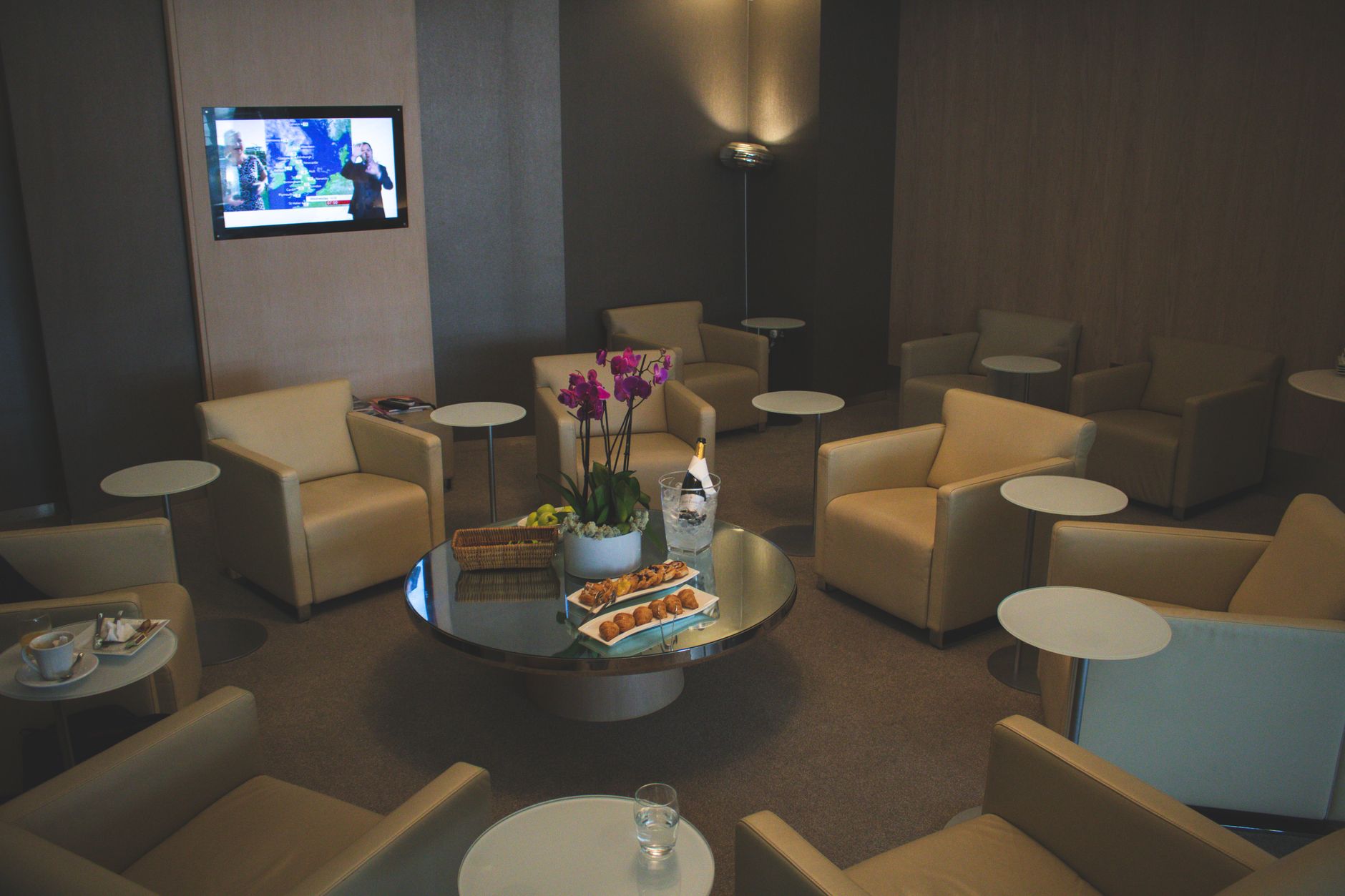
The Complete Guide to Airport Bars and Lounges in Korea 2026
Korea's airport lounge scene has changed dramatically. From legacy airline clubs to craft whisky highball bars like Lounge by SULFUN, travelers in 2026 have more options than ever before. This guide breaks down every category so you can choose the right spot before your next flight.
14 min read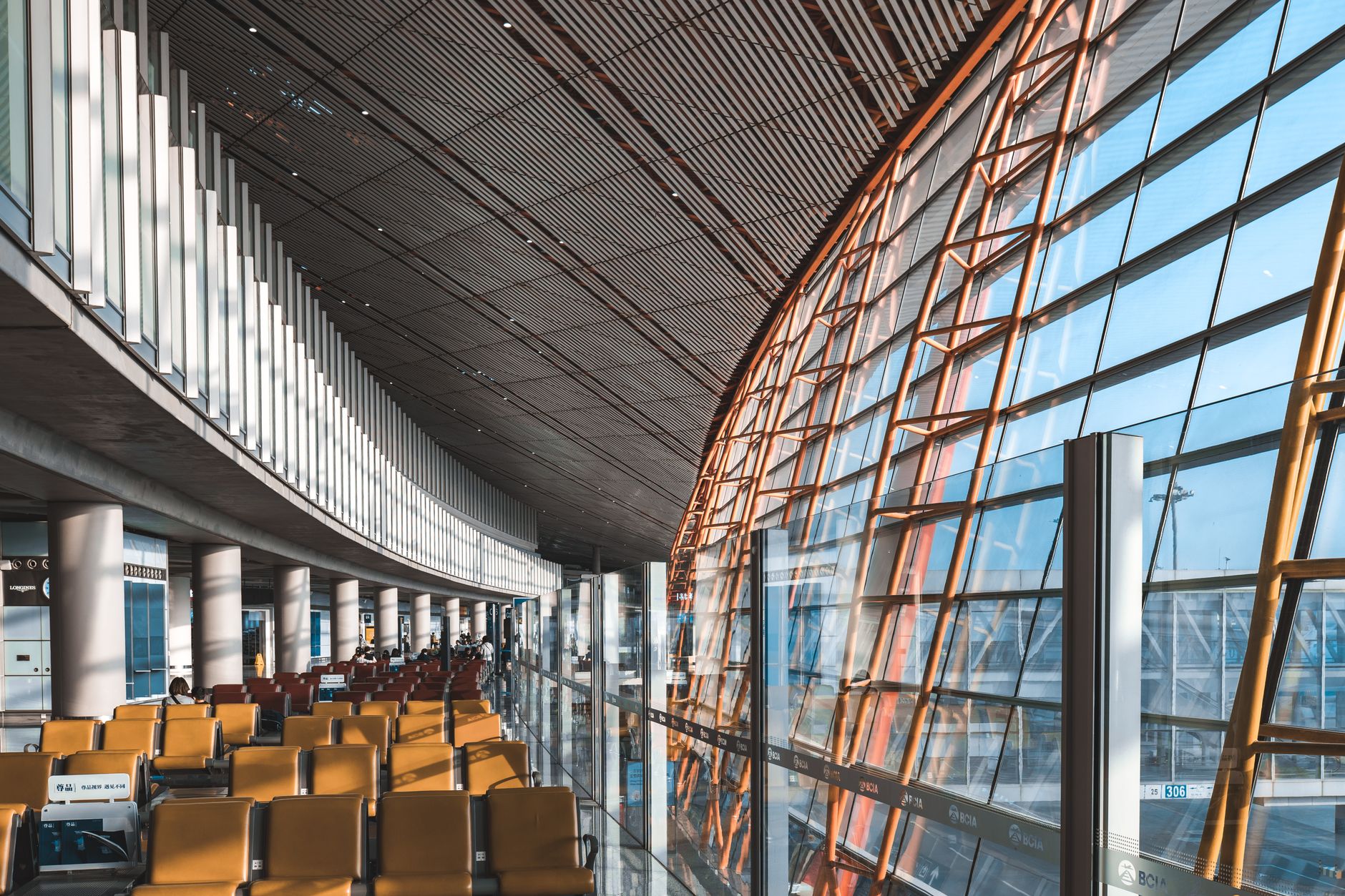
Airport Lounge vs. Airport Bar in Korea: Which One Fits Your Travel Style?
Not all pre-flight downtime is created equal. Korea's airports now offer everything from members-only airline lounges to craft drink bars built for the experience-first traveler. Here is how to choose the one that actually fits how you travel.
13 min read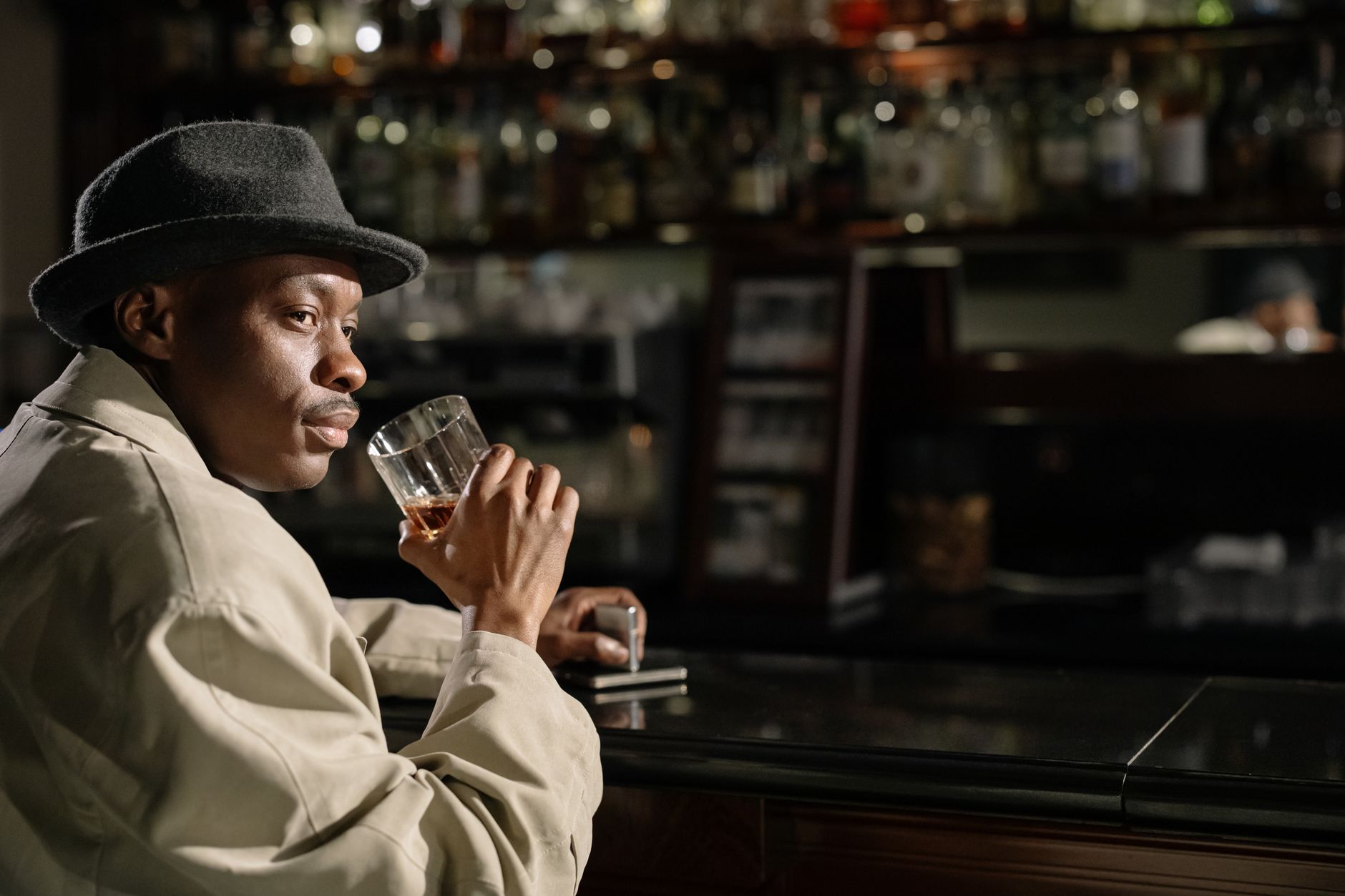
How to Spend Your Pre-Flight Time at Gimpo Airport: A 2026 Guide
Gimpo Airport has quietly evolved into one of Korea's most experience-rich transit hubs. Whether you have 30 minutes or two hours before boarding, this 2026 guide shows you exactly how to spend that time well, starting with a craft drink at Lounge by SULFUN.
13 min read