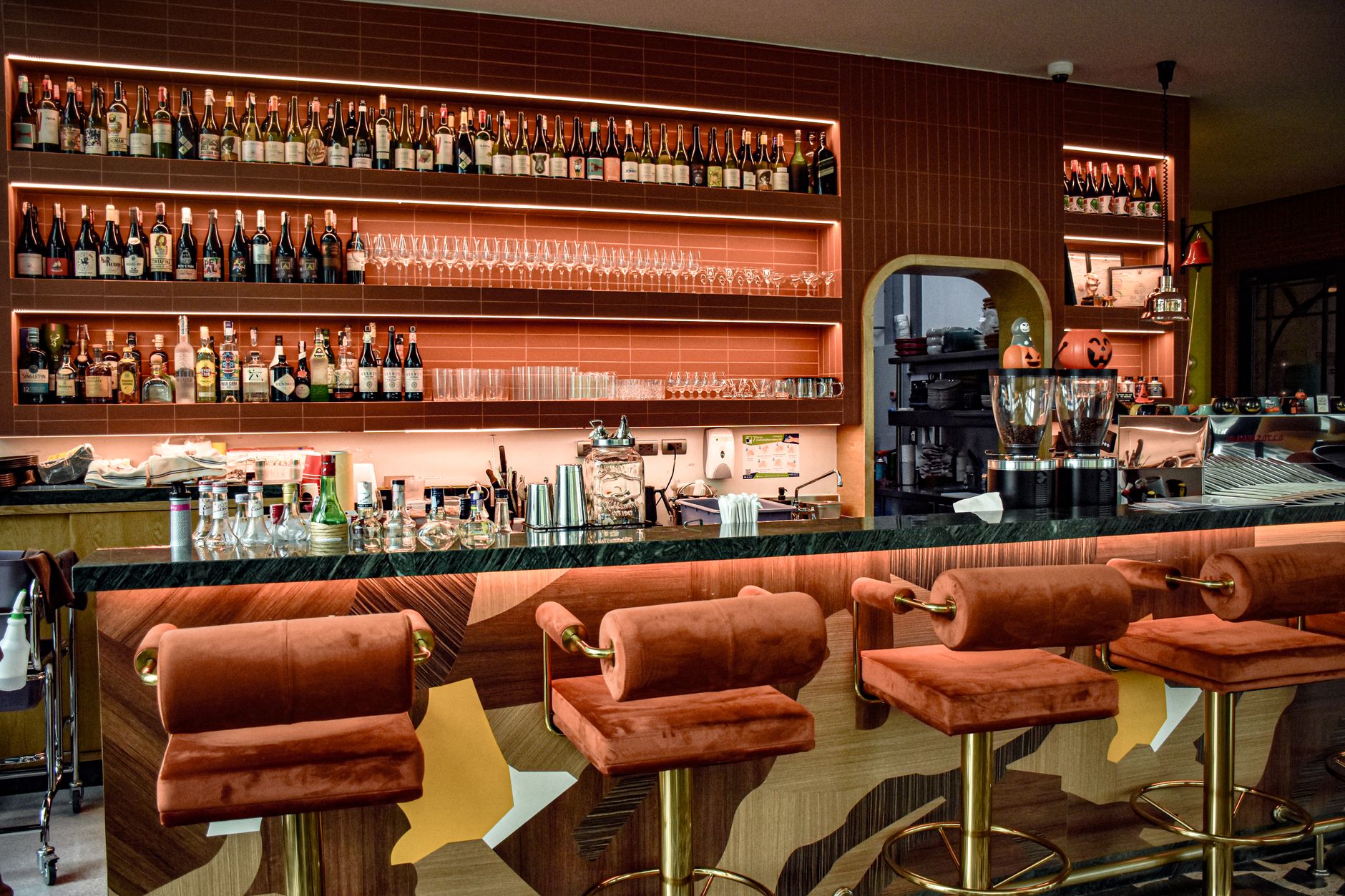
Experiential brands are taking over airports because today's travelers, especially those aged 20 to 40, treat dwell time as an opportunity rather than a burden. Pop-up lounges, craft drink concepts, and curated lifestyle spaces now compete with duty-free retail by offering something airports have long lacked: genuine cultural relevance and shareable moments.
What Is Driving the Experiential Airport Trend Right Now?
Airports are becoming prime territory for pop-up and experiential brands for a simple reason: the audience is already there, already waiting, and increasingly unwilling to settle for a mediocre sandwich and a generic coffee. Global passenger volumes reached 9.4 billion in 2024, exceeding pre-pandemic levels by approximately 3% (blog.aci.aero). That is an enormous captive audience, and a meaningful share of them belong to the demographic spending the most on lifestyle and experience. Gen Z and Millennials are projected to drive 81% of airline spend by 2035 (linkedin.com), and in 2026, 79% of Gen Z and Millennials consider leisure travel a priority (perk.com). These are not travelers who want to sit in a beige waiting area scrolling their phones. They want an experience worth posting.
The financial logic is equally compelling. Global non-aeronautical revenues, covering retail, food and beverage, parking, and related services, reached approximately USD 73 billion in 2024 (dwuconsulting.com), with the broader market projected to grow at a CAGR of 8.39% from 2025 to 2035 (marketresearchfuture.com). Airport operators are not just open to experiential tenants. They are actively recruiting them. The era of defaulting to chain restaurants and duty-free perfume aisles is ending.
How Has Social Media Changed What Travelers Expect from Airports?
The phone comes out before the drink arrives. That is the new reality of airport hospitality, and it changes everything about how a concept needs to look, feel, and function. A striking 88% of Gen Z consumers follow at least one travel influencer on TikTok (perk.com), which means the visual vocabulary of travel is constantly being refreshed and raised. Travelers now research airport experiences before booking flights, treating the pre-flight window as part of the overall trip narrative rather than dead time to endure.
Korean travel culture has amplified this shift particularly fast. Platforms like Instagram and KakaoStory reward aesthetically consistent, locally distinctive content, pushing demand for airport spaces that look as considered as any neighborhood cafe or cocktail bar. A single well-framed lounge photo can drive organic foot traffic through discovery and re-share. For experiential brands, this creates a marketing channel that traditional airport tenants never had access to. The airport lounge becomes both the product and the advertisement.
Why Are Airport Operators Embracing Pop-Up and Craft Concepts?
Pop-up formats give airport operators something permanent leases cannot: flexibility. Rather than locking a terminal into a concept for five or ten years, rotating pop-ups allow the tenant mix to stay current with cultural shifts. Research confirms the revenue logic behind dwell time investment. A 10% increase in dwell time is associated with an increase of 8% in food and beverage revenues (orbilu.uni.lu). Concepts that give travelers a reason to sit down and stay translate directly into higher spend per head. Premium casual craft concepts, with their higher average transaction values compared to generic fast food, deliver disproportionate returns on the floor space they occupy.
The Whisky Highball Wave: How a Drink Trend Became an Airport Moment
The whisky highball is not just a drink. It is a cultural signal. Rooted in Japanese bar tradition and turbocharged by Korean social media, the highball has become the defining craft drink of the 20s and 30s generation across East Asia. South Korea's whiskey imports surged 50% year-on-year in the first half of 2023, driven in significant part by the rising popularity of highball cocktails (thedrinksbusiness.com). The 20 to 30 age group's consumption of whisky increased by 70% in 2022 (wifitalents.com), and preference for highballs among Gen Z reached 58% in 2023 (wifitalents.com). South Korea's whiskey import market reached $249 million in 2024, growing at a CAGR of 17.1% from 2020 to 2024 (apps.fas.usda.gov). These numbers describe a genuine cultural movement, not a passing fad.
What makes this trend airport-ready is the format itself. The highball occupies a sweet spot: sophisticated enough to feel like a deliberate choice, approachable enough that a first-time whisky drinker does not feel out of their depth. It lands well for people who want quality without intimidation. For Korean craft spirits brands and independent bar concepts, this convergence of trend momentum and airport dwell time opportunity is a rare alignment. The airport becomes the perfect place to meet a curious traveler exactly where they are.
Why Does the Highball Format Work So Well in Airport Settings?
Speed matters in airports. A full cocktail program requires time, attention, and a guest willing to sit through complexity. A highball does not. It can be prepared and on the table in under two minutes, consumed comfortably in 20 to 30 minutes, and enjoyed without any prior knowledge of spirits. That fits precisely into the 30 to 45 minute pre-boarding window that represents the realistic dwell time for most departing passengers. The format respects the traveler's schedule.
The visual dimension is equally important. A well-presented highball, served in a tall clear glass with quality ice and a considered garnish, photographs beautifully. It is inherently shareable. At Lounge by SULFUN, we have built the entire concept around this insight: a drink that tastes great, looks great, and gets posted. In our experience, the moment a traveler registers a space as beautiful and different from the surrounding airport environment, a positive expectation has already been set before they even place an order. That organic social layer is not an accident of good design. It is a deliberate part of the experience architecture. The visual appeal of the glass on the bar, backlit by warm lighting, is as intentional as the whisky inside it.
What Makes a Pop-Up Airport Concept Actually Work?
Airport visitors are often in a purchase-ready mindset unlike almost any other retail environment. The transition psychology of travel, leaving the familiar, moving toward the new, primes people to say yes to things they might hesitate over at home. This is why travelers engage with something unexpected in airports in ways they would not on a normal high street. The airport already signals possibility. A well-placed pop-up simply gives that feeling a destination.
Successful airport pop-ups share four non-negotiable traits: a distinct visual identity that reads from 20 feet away, a tight and confident menu that removes decision fatigue, fast service pacing that respects boarding windows, and a concept that photographs well without trying too hard. Location compounds all four. High foot-traffic corridors near departure gates consistently outperform tucked-away concourse ends, regardless of concept quality. Getting the placement right is a prerequisite, not a bonus.
| Factor | Generic Airport Bar | Experiential Pop-Up Concept |
|---|---|---|
| Visual identity | Branded chain signage | Distinctive, locally rooted aesthetic |
| Menu complexity | Large multi-category menu | Focused 4 to 8 item selection |
| Service speed | Variable, often slow | Optimized for pre-boarding window |
| Social shareability | Low | High by design |
| Solo traveler comfort | Low (table-focused layout) | High (counter seating, individual lighting) |
| Price transparency | Often opaque | Clear and upfront |
| Repeat discovery value | Low | High (travelers seek it out again) |
How Does Aesthetic and Atmosphere Drive Repeat Visits and Word of Mouth?
A cohesive visual environment signals quality before a single drink is ordered. This is not a small effect. The moment a traveler walks past a space and registers it as beautiful, considered, and different from the surrounding airport environment, a positive expectation has already been set. Branded glassware, curated music at a volume that allows conversation, and intentional warm lighting are low-cost levers that disproportionately influence both social sharing behavior and post-visit brand recall. These details do not cost much to execute well. They cost an enormous amount to get wrong.
Travelers who have a genuinely positive lounge experience talk about it. They mention it to the person sitting next to them on the plane, they tag it in stories, and they look it up when they return for their next departure. This organic referral loop is the most efficient marketing channel a pop-up concept can build, and it starts with the decision to make every surface of the space worth looking at.
What Role Does Menu Simplicity Play in Airport Concept Success?
A focused menu of four to eight items is not a limitation. It is a statement of confidence. Time-pressed travelers do not want to decode a twelve-page document when they have 35 minutes before boarding. A tight selection reduces decision fatigue, allows staff to maintain consistent quality across every order, and creates the conditions for a signature item to become memorable. Think of a traveler who orders the house highball at Gimpo airport on a Tuesday morning, loves it, and spends the next three weeks telling colleagues about it. We recommend designing your menu with this exact scenario in mind, because that organic referral loop is the most efficient marketing channel a pop-up concept can build. That signature moment is only possible if the menu is focused enough to let one item own the conversation.
Clear tasting notes and accessible language eliminate the intimidation factor for guests who are curious about craft spirits but unfamiliar with the category. The menu should invite, not test.
Korean Airport Culture and the Rise of Experience-First Travel Spaces
Korean airports are not passive venues for this shift. They are active participants. Incheon International consistently ranks among the world's top-rated airports, and Gimpo International serves as the domestic and short-haul gateway for Seoul's most trend-sensitive travelers. Both airports are repositioning their F&B zones away from mass-market chains toward curated, concept-driven tenants, and local Korean craft brands are the primary beneficiaries of that repositioning. Airport retail and lounge partnerships with local Korean brands create a cultural authenticity that duty-free multinationals simply cannot replicate at any budget.
Korean consumers aged 20 to 40 index significantly higher than average for lifestyle spending, craft food and beverage discovery, and social media content creation while traveling. The generational shift in Korean travel culture mirrors global patterns but accelerates faster, due to the density of Seoul's trend ecosystem and the global influence of Korean pop culture. A local craft brand that establishes an airport presence gains a credibility signal that transfers back to its street-level and online channels simultaneously. The airport is not just a revenue location. It is a brand amplifier.
How Are Korean Airports Competing for Passenger Dwell-Time Spending?
The financial incentive for Korean airport operators is direct. Non-aeronautical revenue streams contributed 40% of total airport income in 2024 globally (marketresearchfuture.com), and Korean airports are benchmarking against Singapore Changi and other leading hubs that have demonstrated the commercial power of experience-first terminal design. Rotating pop-up formats reduce the risk of stale tenant mixes and allow airports to stay culturally current without the 5 to 10 year commitment of a permanent lease. For Korean craft brands, this creates a genuine entry point into a high-traffic venue that was previously inaccessible without the capital of a global chain.
Dwell-time spending at Korean airports is positioned to grow as domestic and short-haul routes continue recovering post-2023 and passenger volumes climb. The research is unambiguous: a 10% increase in dwell time is associated with an increase of 6% in retail revenues (orbilu.uni.lu). Every minute a traveler spends engaged in an experience rather than staring at a departures board is revenue the airport was not capturing before.
What the Future of Airport Experiences Looks Like for Trend-Conscious Travelers
The next wave of airport concepts will be defined by hyper-local curation. Neighborhood bar culture transplanted into terminal environments. Rotating pop-up formats that give airports a reason to be visited rather than merely passed through. Technology integration, mobile ordering, tap-to-pay, QR-linked tasting notes, will reduce friction without removing the human warmth that defines great hospitality. The airport lounge of 2028 will feel more like a carefully programmed cultural space than a commercial transaction point.
Cross-category collaborations between craft beverage brands, local designers, and musicians will make airport lounges feel like cultural programming. This is already happening at the edges of the market, and the brands pioneering it are gaining a competitive advantage that permanent chain tenants cannot match: novelty, urgency, and the social currency that comes from being first. Pop-ups thrive on exactly these three qualities. The urgency of a limited-time concept drives visits. The novelty drives posts. The social posts drive the next wave of visitors. It is a self-reinforcing loop that permanent concepts structurally cannot replicate.
Why Will Local and Craft Concepts Outperform Global Chains in Airport Settings?
Global chain fatigue is measurable in traveler behavior. Travelers increasingly report preferring locally distinctive options over familiar international brands when choosing airport food and beverage. The reason is psychological as much as practical. A global chain tells you nothing about where you are. For example, imagine a solo business traveler from Busan discovering a local Korean craft whisky brand at Gimpo International's new pop-up lounge. She orders a house highball, snaps a photo for her Instagram story, and three weeks later when she's back home, she finds the brand's standalone bar in her neighborhood and becomes a regular, all because of that brief airport encounter. A local craft concept tells you everything. It gives the airport a sense of place that travelers, especially those aged 20 to 40 who index highest for experience-over-convenience spending, are actively seeking. Gen Z travel spending averaged $11,209 in 2025, up 20% from the previous year (perk.com). This generation is spending. The question is who captures that spend.
For Korean craft brands specifically, airport presence signals national and international credibility. A Gimpo or Incheon footprint accelerates growth beyond Seoul's saturated dining scene by reaching travelers from across Korea and across the world in a single terminal. Travelers who discover a great airport pop-up concept are significantly more likely to seek out that brand in their home city, making the airport one of the most efficient brand discovery channels available to an emerging local concept. Results speak louder. The airport is not a compromise. It is a launchpad.
Frequently Asked Questions
What exactly is an experiential airport lounge and how is it different from a traditional airline lounge?
Do I need a special membership or airline status to visit a craft beverage pop-up lounge at the airport?
How much time do I actually need to enjoy a whisky highball lounge experience before my flight?
Are airport pop-up concepts like craft cocktail lounges only for experienced drinkers or whisky enthusiasts?
Why are pop-up formats becoming more common in airports compared to permanent restaurant concepts?
How is the whisky highball trend connected to Korean travel and social media culture?
What should I look for in an airport lounge if I am traveling solo and want to feel comfortable?
Are experiential airport concepts more expensive than regular airport bars and cafes?
How are experiential brands benefiting airport retailers?
What airport demographics make pop-up shops effective?
Which brands have run successful airport pop-ups?
What are the costs of launching an airport activation?
How do airport pop-ups measure customer engagement?
Sources & References
- 30+ Gen Z Travel Statistics & Trends (Perk) (opens in a new tab)[industry]
- Non-Aeronautical Revenue Strategies (DWU Consulting) (opens in a new tab)[industry]
- Airport Non-Aeronautical Revenues: From Traffic Recovery to Value Reinvention (ACI) (opens in a new tab)[industry]
- Airport Non-Aeronautical Revenue Market Report 2035 (Market Research Future) (opens in a new tab)[industry]
- 100+ Korean Alcohol Industry Statistics 2026 Data Report (WiFi Talents) (opens in a new tab)[industry]
- Shopping or Dining? On Passenger Dwell Time and Non-Aeronautical Revenue (University of Luxembourg) (opens in a new tab)[edu]
- Gen-Z and Millennials to Drive 81% of Airline Spend by 2035 (Beautiful Destinations / LinkedIn) (opens in a new tab)[industry]
- marketresearchfuture.com (opens in a new tab)[industry]
About the Author
Lounge by SULFUN
Lounge by SULFUN is a premium airport lounge concept crafting elevated whisky highball experiences for style-conscious travelers, blending Japanese bar culture with Korean hospitality in curated, Instagram-worthy spaces.
Learn more at www.sulfun.com → (opens in a new tab)Related Posts
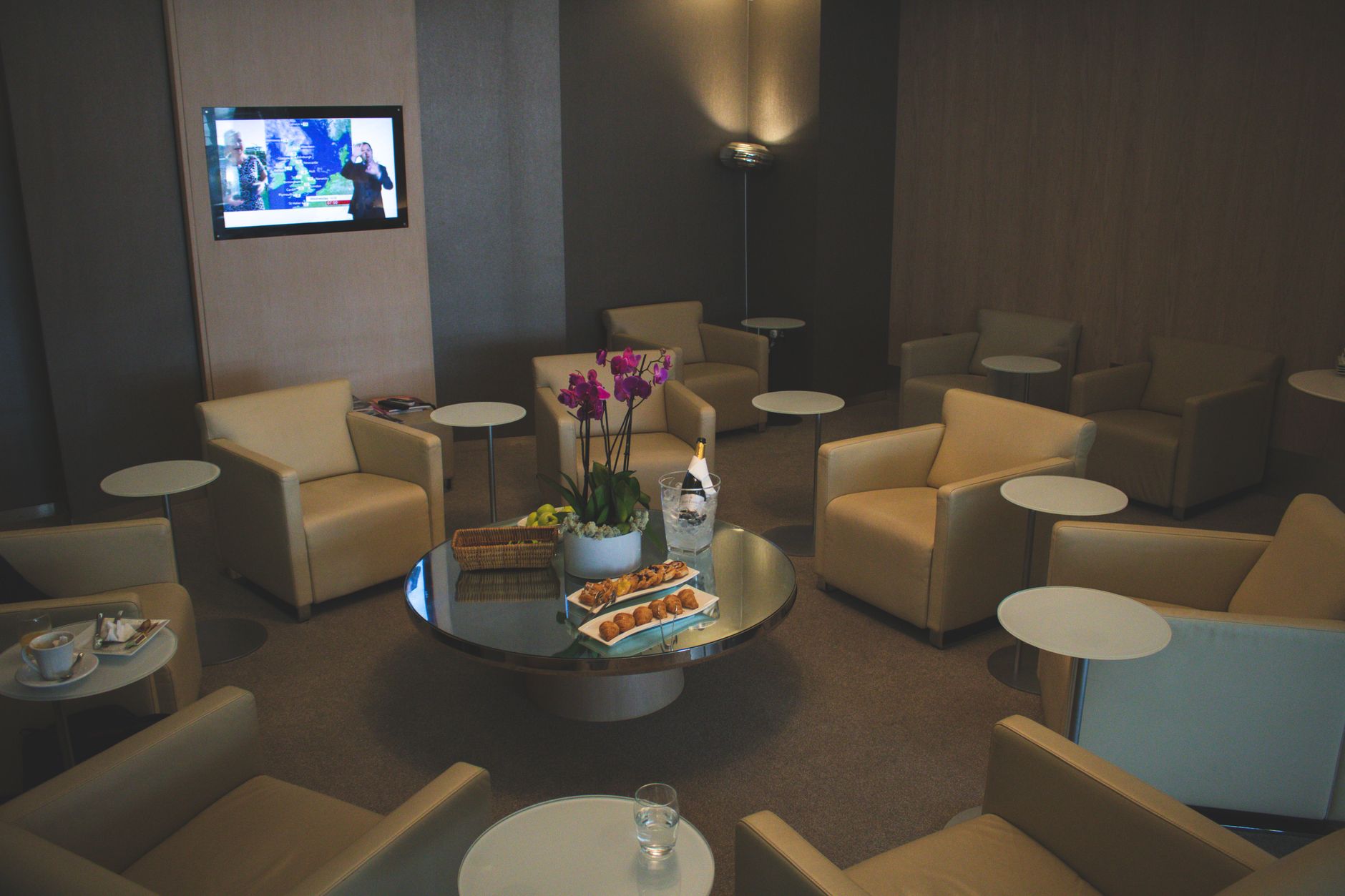
The Complete Guide to Airport Bars and Lounges in Korea 2026
Korea's airport lounge scene has changed dramatically. From legacy airline clubs to craft whisky highball bars like Lounge by SULFUN, travelers in 2026 have more options than ever before. This guide breaks down every category so you can choose the right spot before your next flight.
14 min read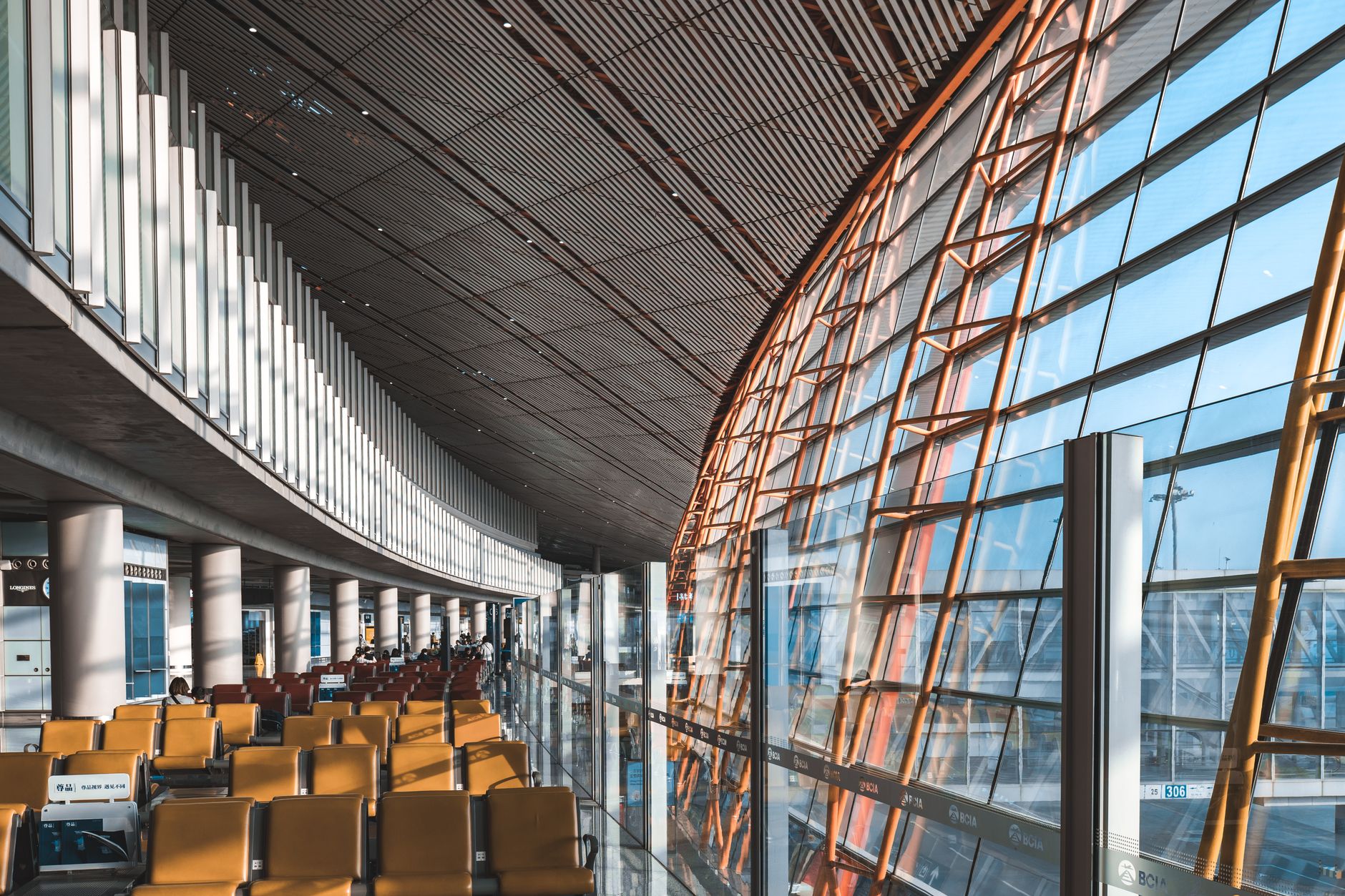
Airport Lounge vs. Airport Bar in Korea: Which One Fits Your Travel Style?
Not all pre-flight downtime is created equal. Korea's airports now offer everything from members-only airline lounges to craft drink bars built for the experience-first traveler. Here is how to choose the one that actually fits how you travel.
13 min read
How to Spend Your Pre-Flight Time at Gimpo Airport: A 2026 Guide
Gimpo Airport has quietly evolved into one of Korea's most experience-rich transit hubs. Whether you have 30 minutes or two hours before boarding, this 2026 guide shows you exactly how to spend that time well, starting with a craft drink at Lounge by SULFUN.
13 min read